
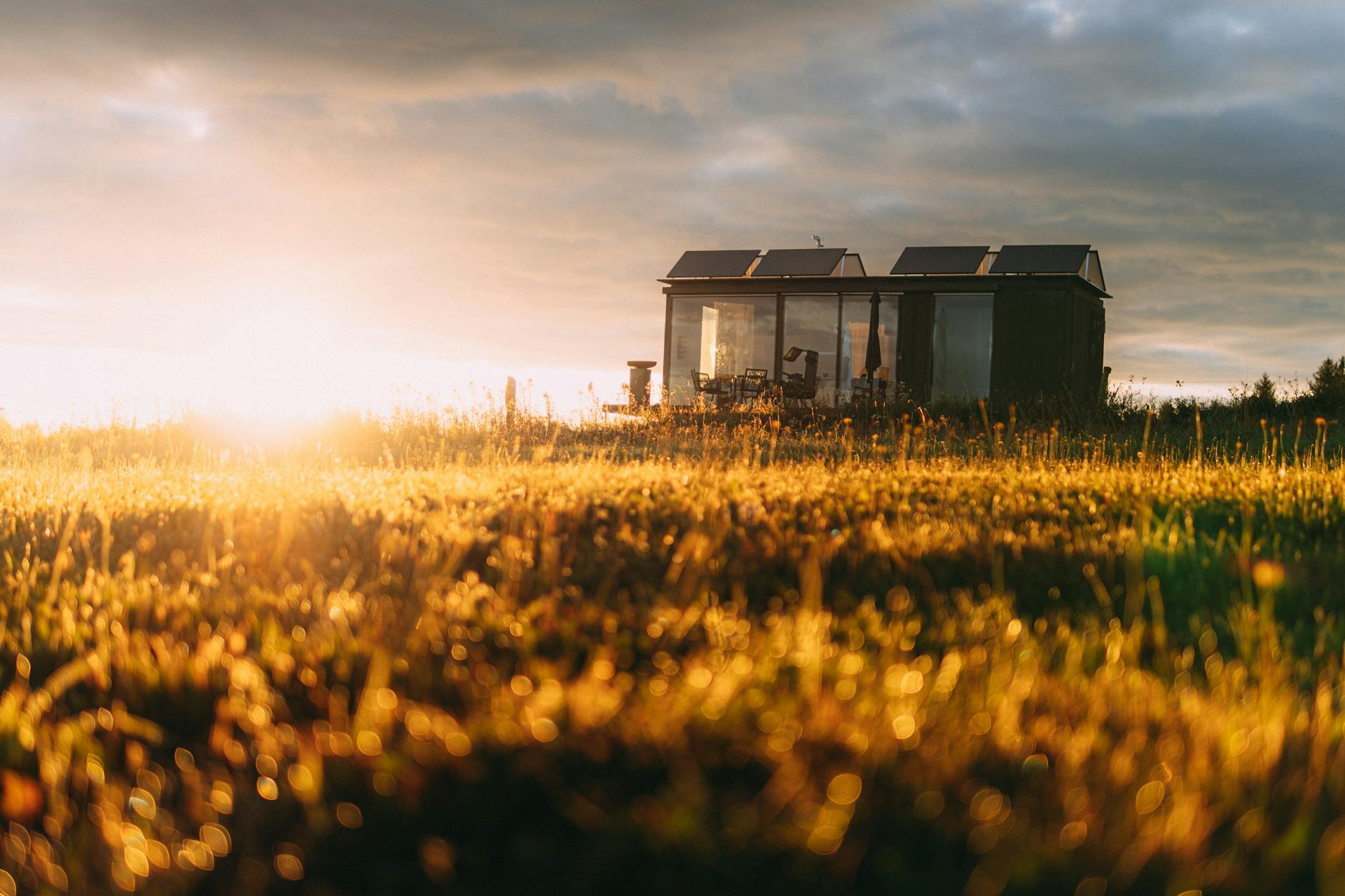
Living off the grid has become an appealing lifestyle for people seeking independence, lower costs, and closer connection to nature. However, not every state makes this lifestyle equally affordable or practical. Land prices, climate, water access, and legal regulations all play a major role in determining where off-grid living is most realistic.
Arkansas
Arkansas is one of the most affordable states for off-grid living due to its low land prices and abundant natural resources. Forested areas and rural regions make it easy to find inexpensive acreage.
Water access is also relatively reliable compared to drier states. Many off-grid residents appreciate the mild climate and long growing seasons.
Tennessee
Tennessee offers a strong balance of affordability and livability. Rural land can still be purchased at relatively low prices, especially in mountainous or wooded areas.
The state’s climate supports farming and gardening for much of the year. This makes it attractive for those aiming for partial self-sufficiency.
Missouri
Missouri is known for its inexpensive rural land and central location. Large tracts of property are often available at prices well below the national average.
The state also provides access to freshwater sources like rivers and streams. This is a key advantage for long-term off-grid planning.
New Mexico
New Mexico is popular among off-grid enthusiasts due to its vast open spaces and low property costs. Remote desert land is widely available and often very affordable.
However, water access can be a challenge in certain regions. Proper planning is essential for sustainable living in arid environments.
Arizona
Arizona offers some of the cheapest desert land in the United States. Rural parcels outside major cities are often sold at low prices.
The dry climate makes solar energy highly effective. Still, water scarcity is a major factor that off-grid settlers must carefully consider.
West Virginia
West Virginia stands out for its low land prices and heavily forested terrain. The Appalachian region provides privacy and natural resources ideal for off-grid living.
Abundant rainfall supports water collection systems and small-scale farming. The rugged landscape also offers seclusion for those seeking independence.
Key Factors That Make These States Affordable
Off-grid affordability isn’t just about land price—it also depends on sustainability and access to resources. States that combine low costs with usable land tend to rank highest.
Here are the main factors that influence affordability:
- Low cost of rural or undeveloped land
- Access to natural water sources
- Favorable climate for food production
- Minimal building restrictions in rural areas
- Availability of renewable energy potential
These factors help determine whether long-term off-grid living is realistic. Even cheap land can become costly if resources are limited.
Challenges of Off-Grid Living
While these states offer affordability, off-grid living still comes with challenges. Preparation and adaptability are essential for success.
Common challenges include:
- Limited access to healthcare and services
- Need for independent power generation
- Water collection or drilling requirements
- Isolation from nearby communities
- Weather and terrain difficulties
Understanding these challenges helps future residents plan more effectively. Off-grid life requires both financial and practical readiness.
Conclusion
Choosing the right state is one of the most important steps in building an off-grid lifestyle. Affordable land is only part of the equation—access to water, climate conditions, and infrastructure all matter.
These states offer some of the best opportunities for low-cost, independent living. With proper planning, they can support a sustainable and self-sufficient lifestyle.



Leave a Reply