
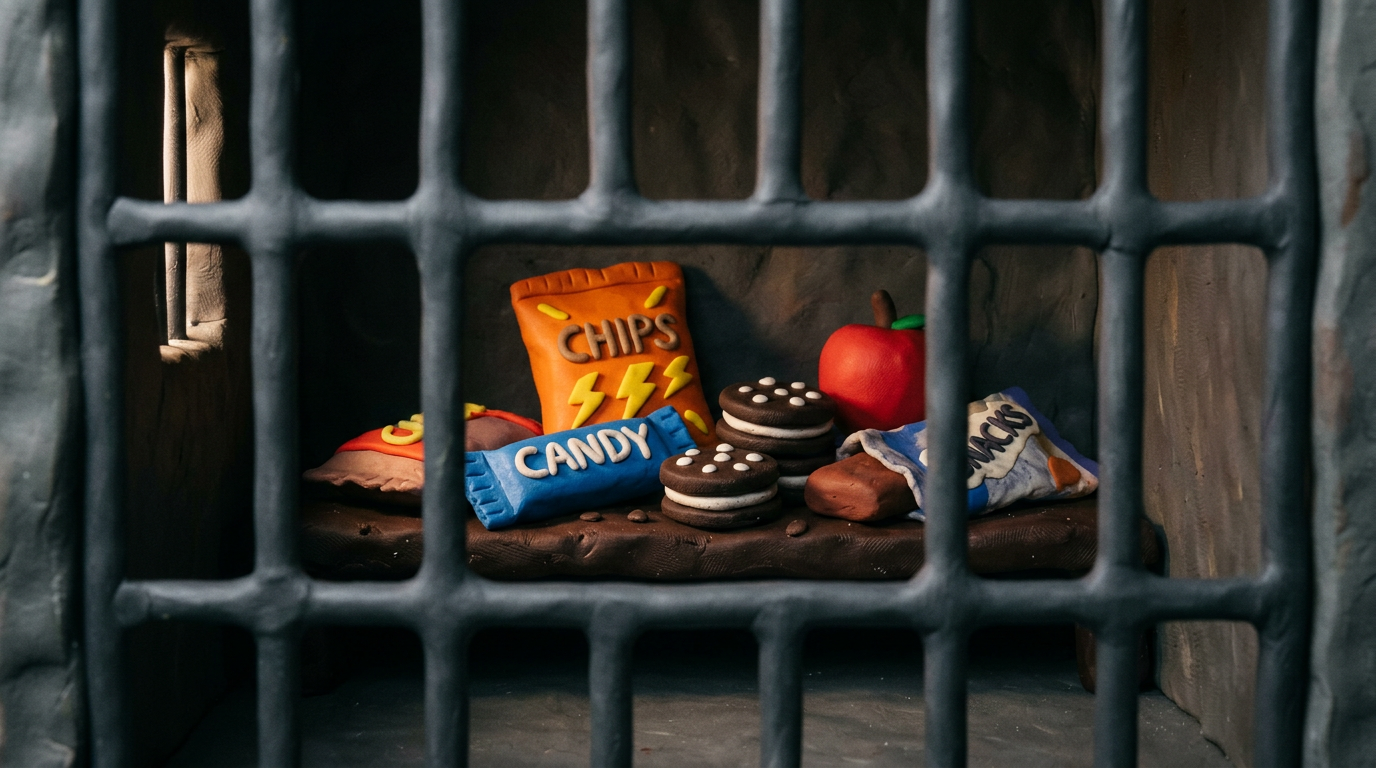
Food laws in the United States are shaped by safety regulations, ingredient approvals, and import restrictions. While most snacks on store shelves meet these standards, some products sold internationally don’t make the cut. Whether due to banned additives or safety concerns, these snacks have gained notoriety for being unavailable in the U.S.
Interestingly, many of them remain popular in other parts of the world despite their restricted status.
Kinder Surprise
Kinder Surprise is one of the most famous banned treats in the United States. The issue isn’t the chocolate itself, but the small toy hidden inside.
U.S. regulations prohibit embedding non-edible objects within food items. This rule is intended to prevent choking hazards, especially for children.
Irn-Bru bars
Irn-Bru bars have faced restrictions due to certain coloring agents used in their production. Some artificial dyes allowed in other countries are not approved in the U.S.
These differences in food additive regulations can make importation difficult. As a result, the product isn’t widely available through official channels.
Smarties (UK version)
Smarties (UK version) differ from the U.S. version and have faced import issues. The concern has often been related to labeling and ingredient compliance.
While similar products exist domestically, the original imported version doesn’t always meet U.S. standards. This limits its legal distribution.
Haggis-flavored snacks
Haggis-flavored snacks are sometimes restricted due to ingredients derived from traditional haggis. Certain components, like sheep lung, are not permitted in U.S. food production.
Even when used as flavoring inspiration, regulatory concerns can arise. This affects the availability of related snack products.
Japanese Konjac jelly cups
Japanese Konjac jelly cups have faced bans and restrictions in multiple countries, including the U.S. These small, firm jelly snacks have been linked to choking incidents.
Their size and texture make them a potential hazard, particularly for children. As a result, they have been removed from many markets.
Why Some Snacks Are Restricted
Food restrictions in the U.S. are typically based on safety and regulatory standards. Even popular products can be limited if they don’t meet these requirements.
Common reasons include:
- Presence of banned additives or dyes
- Choking hazards or safety concerns
- Non-compliant labeling or packaging
- Use of prohibited ingredients
- Differences in manufacturing standards
These rules aim to protect consumers. However, they can also limit access to international products.
The Global Differences in Food Regulations
Food laws vary widely from country to country. What is considered safe in one region may not be approved in another.
This creates a patchwork of regulations that affect global trade. It also explains why some snacks are available abroad but not in the U.S.
Conclusion
While the idea of “illegal snacks” may sound unusual, it highlights the complexity of food safety standards. The United States enforces strict guidelines that not all international products meet.
Understanding these differences helps explain why certain treats remain unavailable. It’s a reminder that food regulations play a major role in what ends up on store shelves.


Leave a Reply