
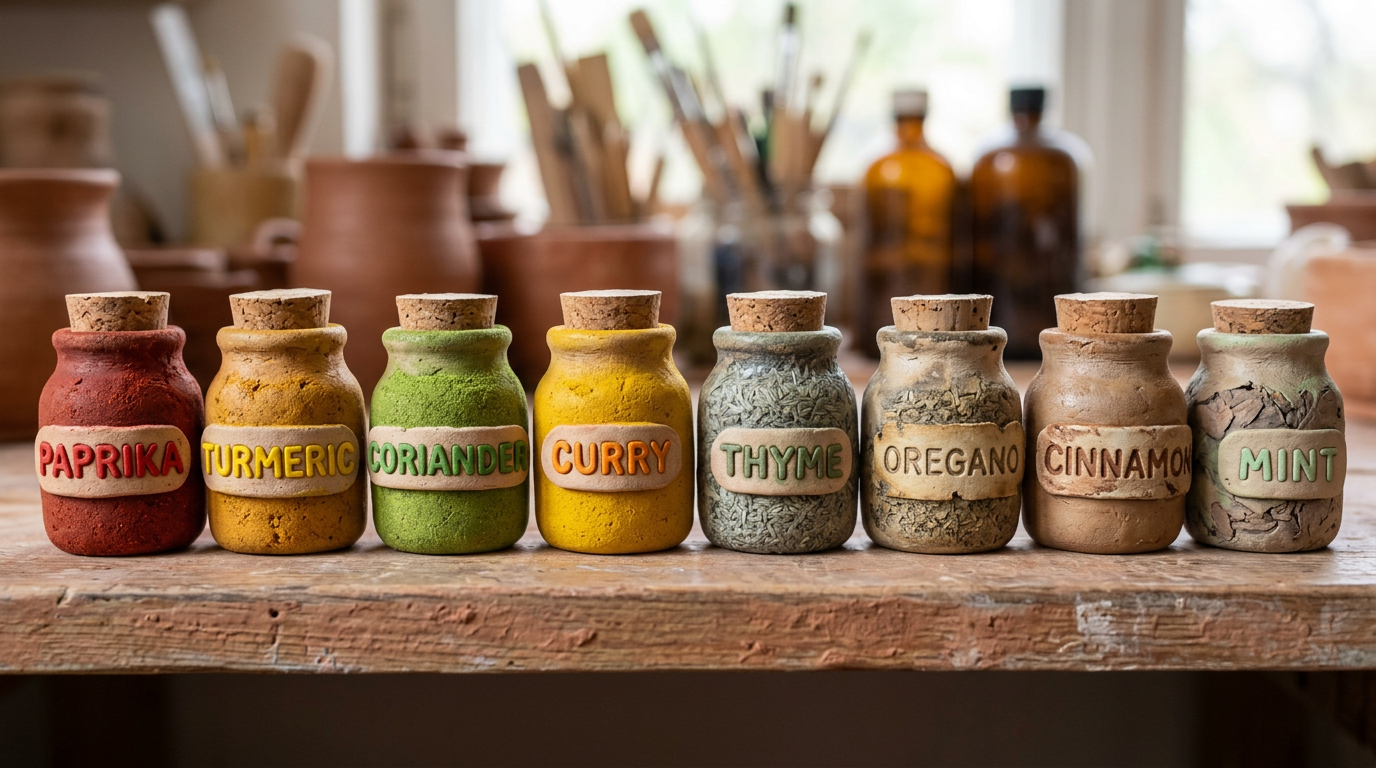
Spices are often considered pantry staples with an almost indefinite shelf life, but that assumption isn’t entirely accurate. While many spices don’t “spoil” in the traditional sense, they can degrade, lose potency, or even develop harmful compounds over time. Improper storage, exposure to heat, and age all play a role in how safe and effective spices remain.
Understanding which spices are more sensitive to time can help you maintain both flavor and safety in your cooking.
Paprika
Paprika is particularly vulnerable due to its high oil content. Over time, these oils can oxidize, leading to a rancid smell and off flavor.
In extreme cases, degraded oils may produce compounds that are not ideal for consumption. Storing paprika in a cool, dark place can help slow this process.
Ground cinnamon
Ground cinnamon can lose its aroma and develop a dull, slightly bitter taste as it ages. While not immediately dangerous, old cinnamon may contain trace contaminants if stored improperly.
Moisture exposure can also encourage mold growth. This makes proper sealing especially important.
Garlic powder
Garlic powder is prone to clumping when exposed to humidity. This can create an environment where bacteria or mold may develop over time.
As it ages, the flavor weakens and may become slightly sour. Discarding clumped or foul-smelling powder is recommended.
Chili powder
Chili powder contains multiple ingredients, which increases its risk of degradation. The oils in chili peppers can become rancid if stored too long.
Old chili powder may also lose its vibrant color and develop a stale taste. This can impact both safety and flavor.
Turmeric
Turmeric is valued for its bright color and potential health benefits. However, it can degrade over time, especially when exposed to light.
Aged turmeric may lose potency and develop an earthy, dull flavor. In poor storage conditions, contamination is also possible.
Black pepper (Ground)
Black pepper in ground form loses its essential oils faster than whole peppercorns. As these oils break down, the spice can become stale and less effective.
In some cases, prolonged storage may lead to a slightly musty odor. Whole peppercorns tend to last longer and retain quality better.
Signs Your Spices May Be Too Old
It’s not always obvious when spices have gone bad. However, there are some common indicators that suggest it’s time to replace them.
Look for:
- Faded color or dull appearance
- Weak or nonexistent aroma
- Clumping due to moisture
- Off or rancid smell
- Visible mold or unusual texture
These signs point to reduced quality or potential contamination. When in doubt, it’s best to replace the spice.
How to Extend the Life of Your Spices
Proper storage can significantly extend the usability of your spices. Small adjustments can make a big difference.
Helpful tips include:
- Store spices in airtight containers
- Keep them away from heat and direct sunlight
- Avoid shaking spices directly over steaming pots
- Label containers with purchase dates
- Buy smaller quantities to ensure freshness
These practices help maintain both flavor and safety. They also reduce waste over time.
Conclusion
While spices don’t typically become dangerous overnight, they can degrade in ways that affect both taste and quality. Some may even develop undesirable compounds if stored improperly or kept too long.
By paying attention to storage and shelf life, you can keep your spices fresh and effective. A well-maintained spice collection leads to better cooking and safer meals.


Leave a Reply