
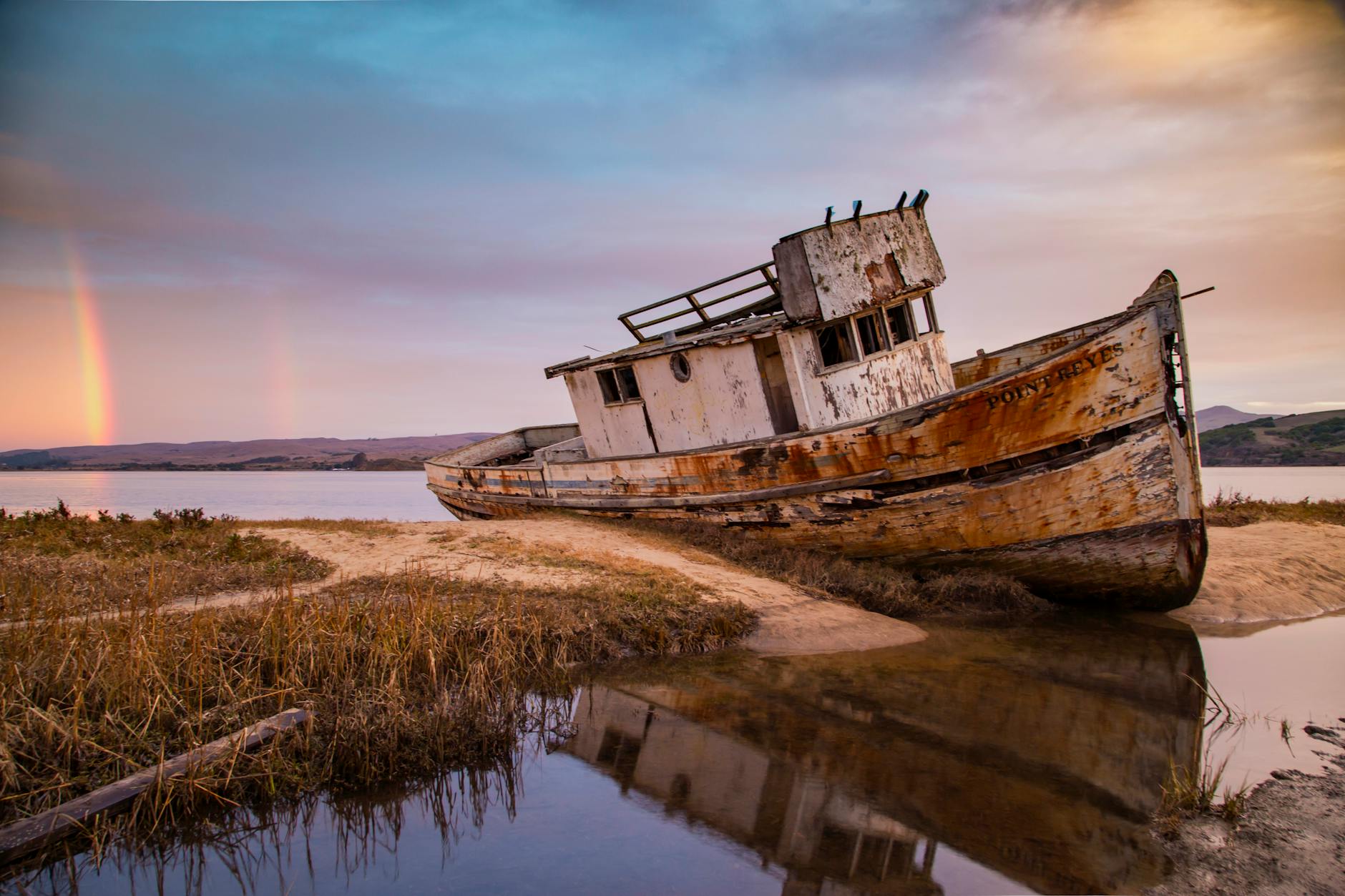
Lakes may appear calm compared to oceans, but many have claimed countless ships over the centuries. Harsh weather, hidden reefs, and heavy traffic have made certain lakes especially dangerous for vessels. Today, these waters are known not only for their beauty but also for the shipwrecks resting beneath their surfaces.
Exploring these lakes reveals just how unpredictable inland waterways can be.
Lake Superior
Lake Superior is widely considered the most dangerous of the Great Lakes. Its size allows storms to build with ocean-like force, catching ships off guard.
Thousands of shipwrecks are believed to lie beneath its cold waters. The lake’s depth and low temperatures have helped preserve many of these vessels.
Lake Michigan
Lake Michigan has seen heavy shipping traffic for centuries. Combined with sudden storms and shifting sandbars, this has led to numerous wrecks.
Many shipwrecks are located near its shoreline. Some have even become popular diving sites due to their accessibility.
Lake Huron
Lake Huron is known for its treacherous areas, including regions like Thunder Bay. Strong winds and unpredictable conditions have caused many vessels to sink.
It is estimated to contain hundreds of shipwrecks. The lake’s maritime history is closely tied to these incidents.
Lake Erie
Lake Erie is the shallowest of the Great Lakes, which contributes to its danger. Waves can become steep and hazardous very quickly.
This has resulted in a high number of wrecks over time. Many of them date back to early shipping and naval conflicts.
Lake Ontario
Lake Ontario has served as a major transportation route for centuries. Its busy waterways have seen numerous accidents and sinkings.
While not as notorious as some others, it still holds a significant number of wrecks. Many remain well-preserved in its cold depths.
Why These Lakes Have So Many Shipwrecks
Several factors contribute to the high number of shipwrecks in these lakes. Even experienced sailors have struggled with their conditions.
Common causes include:
- Sudden and severe storms
- Poor visibility due to fog
- Hidden rocks and sandbars
- Heavy shipping traffic
- Limited navigation technology in earlier eras
These elements create a challenging environment. Over time, they have led to countless maritime losses.
The Legacy Beneath the Surface
Shipwrecks are more than just accidents—they are historical artifacts. Many provide insight into trade, travel, and technology from different time periods.
Some wrecks have become protected sites. Divers and historians continue to study them for new discoveries.
Conclusion
The lakes with the most shipwrecks tell stories of danger, exploration, and human resilience. Despite their inland location, they can be just as unforgiving as the open ocean.
Understanding their history helps us appreciate both their beauty and their risks. Beneath their surfaces lies a fascinating and often haunting maritime legacy.


Leave a Reply