
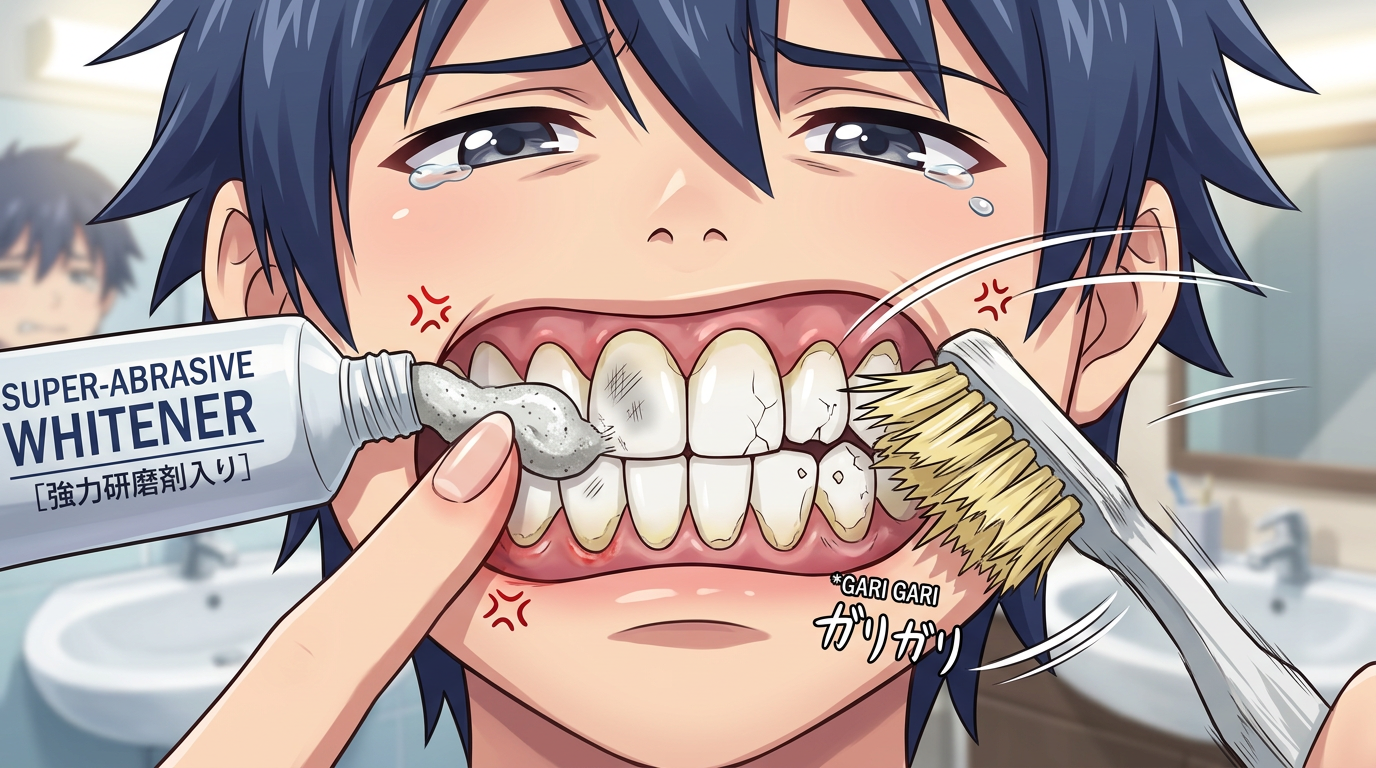
Good oral hygiene is essential for maintaining healthy teeth and gums, but not all oral care tools are as beneficial as they seem. Some products are marketed as helpful but can actually contribute to irritation, enamel wear, or gum damage when used incorrectly or too frequently. Understanding the risks behind certain tools can help you make smarter choices for your daily routine.
Even well-intentioned habits can sometimes do more harm than good if the tools are too harsh or misused.
Hard-bristle toothbrush
A Hard-bristle toothbrush is often thought to provide a deeper clean, but it can actually damage gums and enamel. The stiff bristles may wear down tooth surfaces over time.
Dentists typically recommend soft bristles instead. Overbrushing with a hard brush can also lead to gum recession.
Charcoal toothpaste
Charcoal toothpaste has become popular for its whitening claims. However, its abrasive texture can gradually wear down enamel.
Once enamel is lost, it does not regenerate. This can lead to increased sensitivity and long-term dental issues.
Teeth whitening strips
Teeth whitening strips can be effective when used properly, but overuse is a common problem. Excess bleaching agents may irritate gums and increase tooth sensitivity.
Frequent use can also weaken enamel over time. It’s important to follow recommended guidelines carefully.
Mouthwash with alcohol
Mouthwash with alcohol is often used to kill bacteria and freshen breath. However, high alcohol content can dry out the mouth.
A dry mouth reduces saliva production, which is essential for protecting teeth. This can actually increase the risk of decay.
Toothpicks
Toothpicks are commonly used to remove food debris between teeth. However, they can splinter or injure gums if used too aggressively.
Repeated use may also create gaps between teeth. Dental floss is generally a safer alternative.
Electric toothbrush with high-intensity settings
Electric toothbrush with high-intensity settings can provide a powerful clean, but excessive force or high-speed settings may cause problems. Too much pressure can wear down enamel and irritate gums.
Using the wrong setting for your sensitivity level increases risk. Gentle modes are often more appropriate for daily use.
Why Some Oral Care Tools Cause Harm
Not all dental products are designed for every user or every situation. Problems often arise when tools are too abrasive or used incorrectly.
Common issues include:
- Excessive enamel wear from abrasive materials
- Gum irritation from harsh brushing
- Dry mouth caused by certain rinses
- Mechanical injury from improper tools
- Overuse of whitening agents
These factors can gradually affect long-term oral health. Choosing gentler alternatives is often safer.
Healthier Alternatives for Daily Oral Care
Safer oral hygiene practices can still be highly effective without causing damage. The key is balancing cleanliness with gentleness.
Better options include:
- Soft-bristle toothbrushes
- Non-abrasive toothpaste
- Alcohol-free mouthwash
- Dental floss instead of toothpicks
- Low-intensity brushing settings
These choices help protect enamel and gums. Consistency matters more than intensity.
Conclusion
While many oral care products are designed to improve dental hygiene, some can unintentionally cause harm when overused or improperly selected. Understanding the effects of different tools helps you avoid long-term damage.
By choosing gentler, dentist-approved alternatives, you can maintain a healthy smile without unnecessary risk. Good oral care is about protection, not aggression.



Leave a Reply