
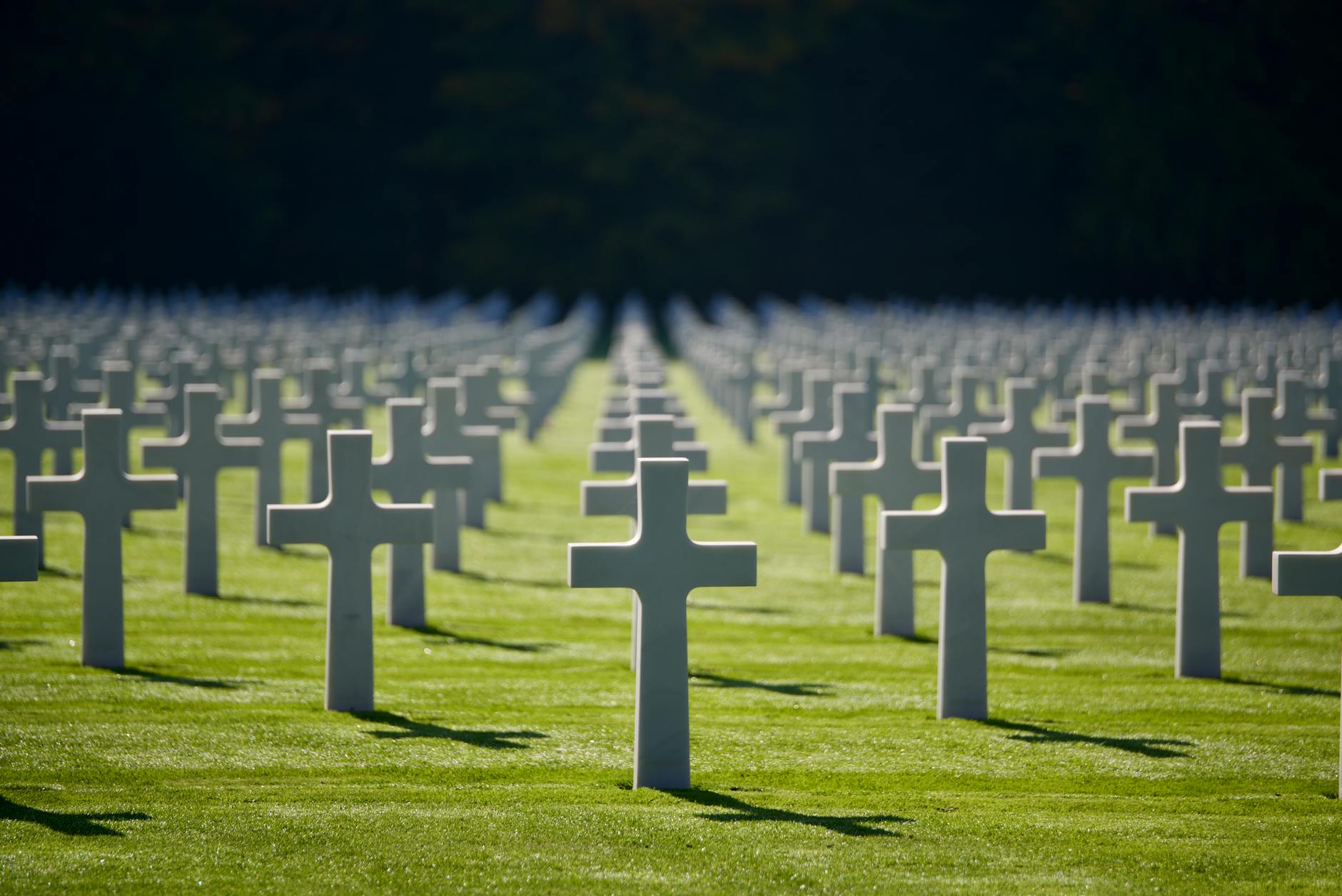
Friendly fire incidents are among the most tragic events in military history. They occur when forces accidentally engage their own allies, often due to miscommunication, poor visibility, or technological limitations. Despite advances in identification systems, these incidents have persisted across conflicts.
Understanding these cases highlights the complexity and chaos of warfare, where even well-planned operations can go wrong.
Battle of Kasserine Pass
During the Battle of Kasserine Pass in 1943, confusion among Allied forces led to multiple friendly fire incidents. Inexperienced coordination between American units and Allied command contributed to the chaos.
Misidentified positions and poor communication caused units to fire on each other. These mistakes added to the already heavy losses suffered during the battle.
Operation Cobra
Operation Cobra in 1944 aimed to break through German lines in Normandy. However, inaccurate bombing runs resulted in American troops being struck by their own aircraft.
Hundreds of U.S. soldiers were killed or wounded. The incident underscored the risks of close air support in fast-moving operations.
Battle of Nasiriyah
During the Battle of Nasiriyah in 2003, several friendly fire incidents occurred amid intense urban combat. Confusion and limited visibility contributed to misidentification.
In one case, allied forces mistakenly engaged each other during a firefight. These incidents highlighted the challenges of modern urban warfare.
Tarnak Farm incident
The Tarnak Farm incident in 2002 involved a U.S. pilot dropping a bomb on Canadian troops during a training exercise. The pilot misinterpreted ground fire as hostile.
Four Canadian soldiers were killed and several others injured. The event led to significant investigations and changes in engagement protocols.
Pat Tillman death
The death of Pat Tillman in 2004 during the War in Afghanistan was later determined to be caused by friendly fire. Initial reports suggested enemy action, but investigations revealed the truth.
The incident sparked widespread scrutiny and controversy. It remains one of the most well-known friendly fire cases in modern U.S. history.
Why Friendly Fire Happens
Friendly fire incidents occur for a variety of reasons, often under high-pressure conditions. Even advanced technology cannot fully eliminate human error.
Common contributing factors include:
- Miscommunication between units
- Poor visibility or environmental conditions
- Inaccurate intelligence or mapping
- Equipment or identification failures
- Stress and rapid decision-making in combat
These elements can combine quickly. The result can be devastating and irreversible.
Efforts to Prevent Future Incidents
Modern militaries invest heavily in reducing the risk of friendly fire. Training, communication systems, and identification technologies continue to improve.
Despite these efforts, the unpredictable nature of combat remains a challenge. Prevention requires constant adaptation and vigilance.
Conclusion
Friendly fire incidents are among the most sobering reminders of war’s complexity. They reveal how quickly situations can spiral out of control, even among allied forces.
By studying these events, militaries aim to reduce future risks. However, the human element ensures that the possibility can never be entirely eliminated.




Leave a Reply