
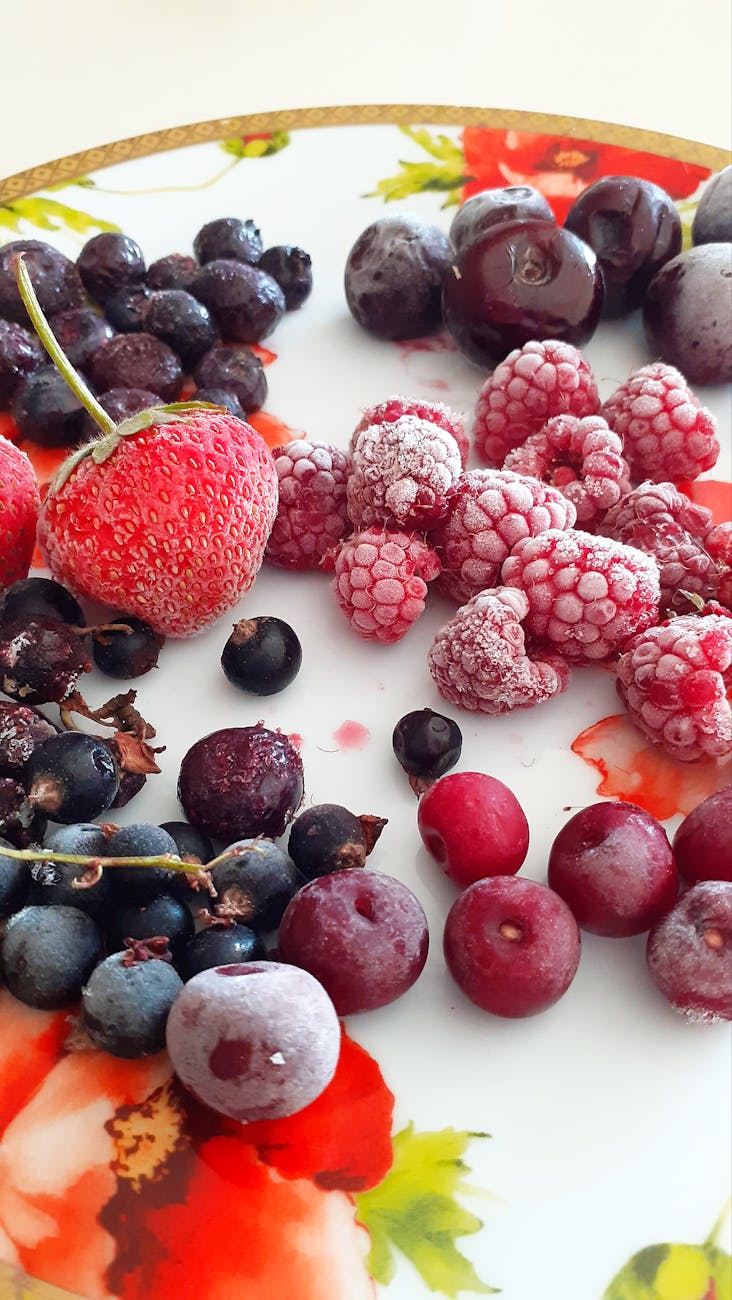
Frozen foods are a staple in many households due to convenience, long shelf life, and affordability. However, not all frozen products are risk-free. Over the years, various categories of frozen foods have been subject to recalls due to contamination concerns, undeclared allergens, or quality control issues. While these incidents do not define entire food categories, they highlight the importance of monitoring ingredients and manufacturing standards.
Frozen Berries and Contamination Concerns
Frozen berries are often associated with convenience and year-round availability, but they have occasionally been linked to contamination issues. Because berries are typically handled extensively during harvesting and processing, they can be vulnerable to pathogens if not properly treated.
In some cases, frozen berry products have been involved in recalls due to viral contamination concerns. These incidents highlight the importance of proper washing and sourcing practices before freezing.
Frozen Leafy Greens Like Spinach
Frozen spinach and other leafy greens are widely used in cooking, but they have also been part of recall events in the past. These products are particularly sensitive because they are often minimally processed before freezing.
Contamination risks can arise during irrigation, harvesting, or packaging stages. When issues occur, they are usually linked to bacterial contamination concerns that require large-scale product withdrawals.
Frozen Chicken Nuggets and Breaded Meats
Frozen chicken nuggets and similar breaded products are popular for their convenience, especially in family meals. However, they have occasionally been subject to recalls due to undeclared allergens or processing issues.
Cross-contamination during manufacturing is one of the main concerns. This can lead to labeling inaccuracies that pose risks for individuals with food allergies.
Frozen Pizzas and Prepared Meals
Frozen pizzas and ready-made meals are among the most widely consumed frozen foods. Their complex ingredient lists make them more vulnerable to labeling and production errors.
Some recall events in this category have involved undeclared ingredients or foreign material contamination. Because these products are mass-produced, even small errors can affect large quantities.
Frozen Seafood Products
Frozen seafood, including shrimp and fish fillets, is another category that has seen recall activity. Seafood requires strict handling and temperature control to maintain safety standards.
Issues in this category can include contamination or the presence of undeclared preservatives such as sulfites. Proper regulation and inspection are essential to ensure product safety.
Frozen Plant-Based and Vegetarian Foods
Frozen vegetarian and plant-based meals have grown in popularity, but they are not immune to recall concerns. These products often contain multiple ingredients that must be accurately labeled.
Recalls in this category are often linked to undeclared allergens such as soy, wheat, or nuts. Even small labeling errors can create significant risks for sensitive consumers.
Common Causes of Frozen Food Recalls
Frozen food recalls typically occur due to a limited set of recurring issues. These problems are usually identified during routine inspections or consumer reports.
Common causes include:
- Bacterial or viral contamination
- Undeclared allergens on packaging
- Foreign material contamination
- Improper temperature control during storage or transport
- Labeling or ingredient misrepresentation
These factors highlight the complexity of large-scale food production. Even highly regulated systems can occasionally experience failures.
Why Frozen Foods Are Still Considered Safe
Despite occasional recalls, frozen foods remain generally safe when properly handled and regulated. Modern freezing techniques help preserve food and reduce spoilage risks.
Regulatory agencies require strict safety standards for production and labeling. Recalls, while concerning, often demonstrate that monitoring systems are actively working.
Conclusion
Frozen food recalls typically involve isolated incidents rather than widespread product safety failures. While certain categories are more frequently affected due to their ingredients or processing methods, the overall system is designed to protect consumers.
By staying informed and paying attention to food labels and recall notices, consumers can continue to enjoy frozen foods with confidence and awareness.


Leave a Reply