
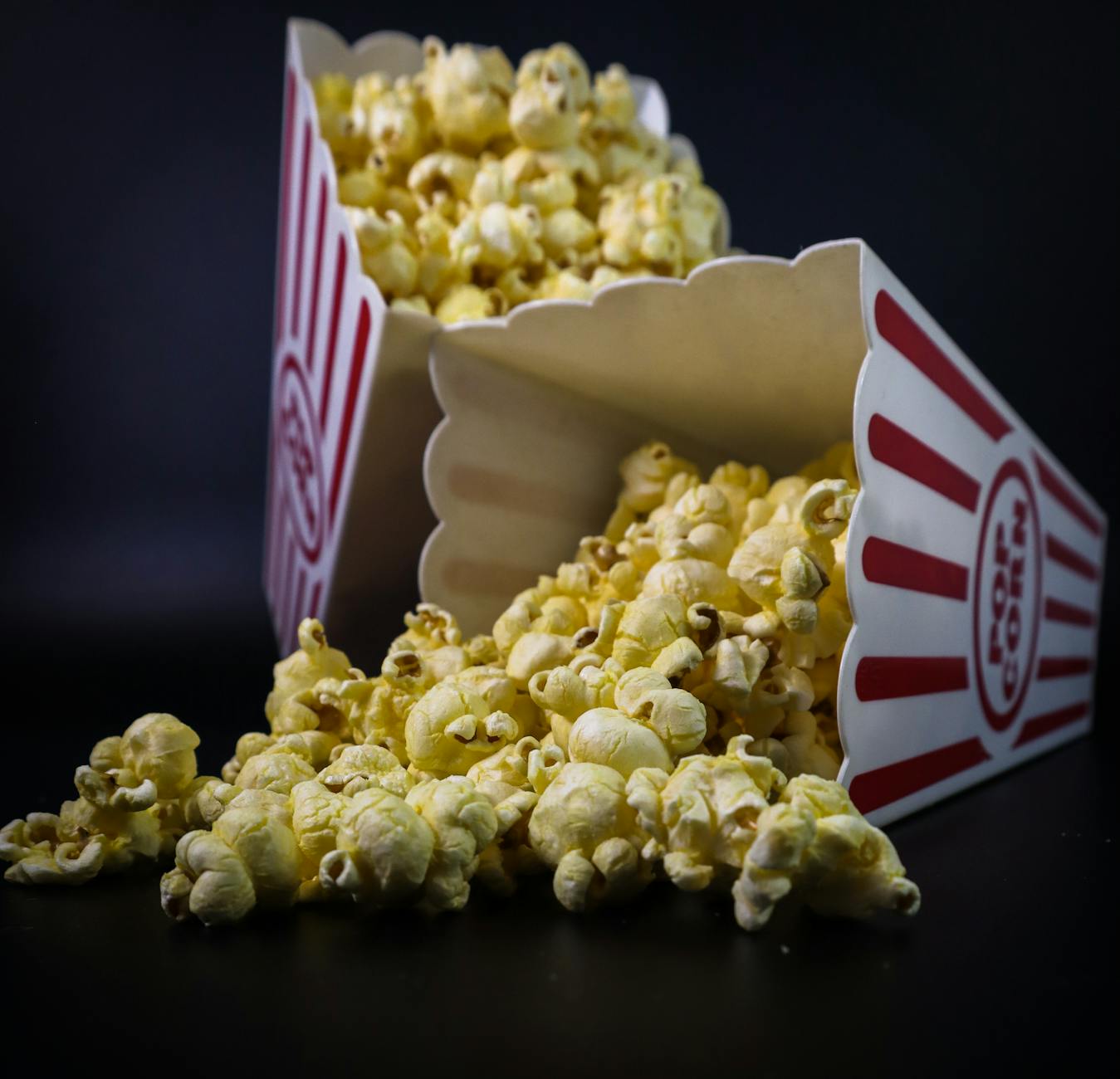
Microwave popcorn has had a complicated history with ingredient safety, packaging materials, and labeling accuracy. While most modern products are considered safe and tightly regulated, several well-known brands have been involved in recall notices or reformulations tied to ingredient concerns, undeclared allergens, or packaging materials. These events highlight how even everyday snack foods can go through safety corrections over time.
Orville Redenbacher’s Microwave Popcorn
Orville Redenbacher’s is one of the most recognizable names in microwave popcorn, and it has faced scrutiny in broader industry discussions about butter-flavored formulations and labeling consistency. While not all products were formally “pulled for toxic ingredients,” some batches in the past were affected by allergen labeling corrections.
In certain cases, snack lines under large food manufacturers have been involved in recalls related to undeclared milk derivatives. These types of issues are typically resolved quickly but still raise consumer awareness about ingredient transparency.
Pop Secret Movie Theater Butter Popcorn
Pop Secret has appeared in recall databases primarily due to labeling and packaging concerns rather than direct ingredient toxicity. Some snack products under this brand’s parent company have been part of broader allergen mislabeling events.
These incidents often involve undeclared ingredients such as dairy or soy in flavored varieties. Even small labeling errors can trigger large-scale product withdrawals due to allergy risks.
Act II Butter Popcorn
Act II is another widely consumed microwave popcorn brand that has been included in discussions around processed food additives and packaging safety history. While not associated with widespread ingredient contamination recalls, it has been part of industry-wide scrutiny over artificial flavor systems used in butter-style popcorn.
In some past cases involving similar products from large manufacturers, concerns included labeling accuracy and allergen disclosure. These issues are typically corrected through reformulation or updated packaging standards.
Jolly Time Microwave Popcorn
Jolly Time is one of the older popcorn brands in the United States and has also been subject to occasional recall notices. These have generally involved packaging or labeling issues rather than direct contamination of ingredients.
Like other popcorn brands, it operates in a highly regulated environment where even minor discrepancies in allergen labeling can result in product removal. This reflects strict food safety enforcement rather than widespread product danger.
Kirkland Signature Microwave Popcorn
Kirkland Signature, sold through warehouse retailers, has occasionally been involved in recall events affecting various snack products, including popcorn lines. These recalls are typically tied to supplier-level packaging or labeling issues.
Because store brands rely on third-party manufacturers, ingredient and packaging oversight is especially important. Any inconsistency can lead to precautionary withdrawals from shelves.
Common Issues Behind Microwave Popcorn Recalls
Most microwave popcorn recall events are not caused by widespread toxic contamination but rather by production and labeling problems. These issues are taken seriously due to the scale of distribution and potential allergy risks.
Common factors include:
- Undeclared allergens such as milk, soy, or wheat
- Packaging material concerns in older microwave bag designs
- Cross-contamination during large-scale production
- Labeling inaccuracies in multi-flavor product lines
- Supplier-level ingredient miscommunication
These problems highlight how complex food manufacturing systems can be. Even small errors can affect millions of packaged units.
Why Microwave Popcorn Has Improved Over Time
The microwave popcorn industry has changed significantly in response to safety standards and consumer expectations. Many companies have updated ingredients and packaging to reduce risks and improve transparency.
Key improvements include:
- Clearer allergen labeling requirements
- Safer microwave bag materials
- Removal of controversial flavoring compounds in many lines
- Improved factory quality control systems
- More consistent ingredient sourcing practices
These changes have made modern microwave popcorn far more standardized than earlier versions.
Conclusion
While microwave popcorn has experienced recall events and ingredient-related concerns, most issues have been limited to labeling errors or packaging materials rather than widespread contamination. Major brands have largely improved their safety and transparency over time.
Today, consumers benefit from stricter regulations and better quality control across the industry. Understanding past issues helps highlight how food safety systems continue to evolve.



Leave a Reply