
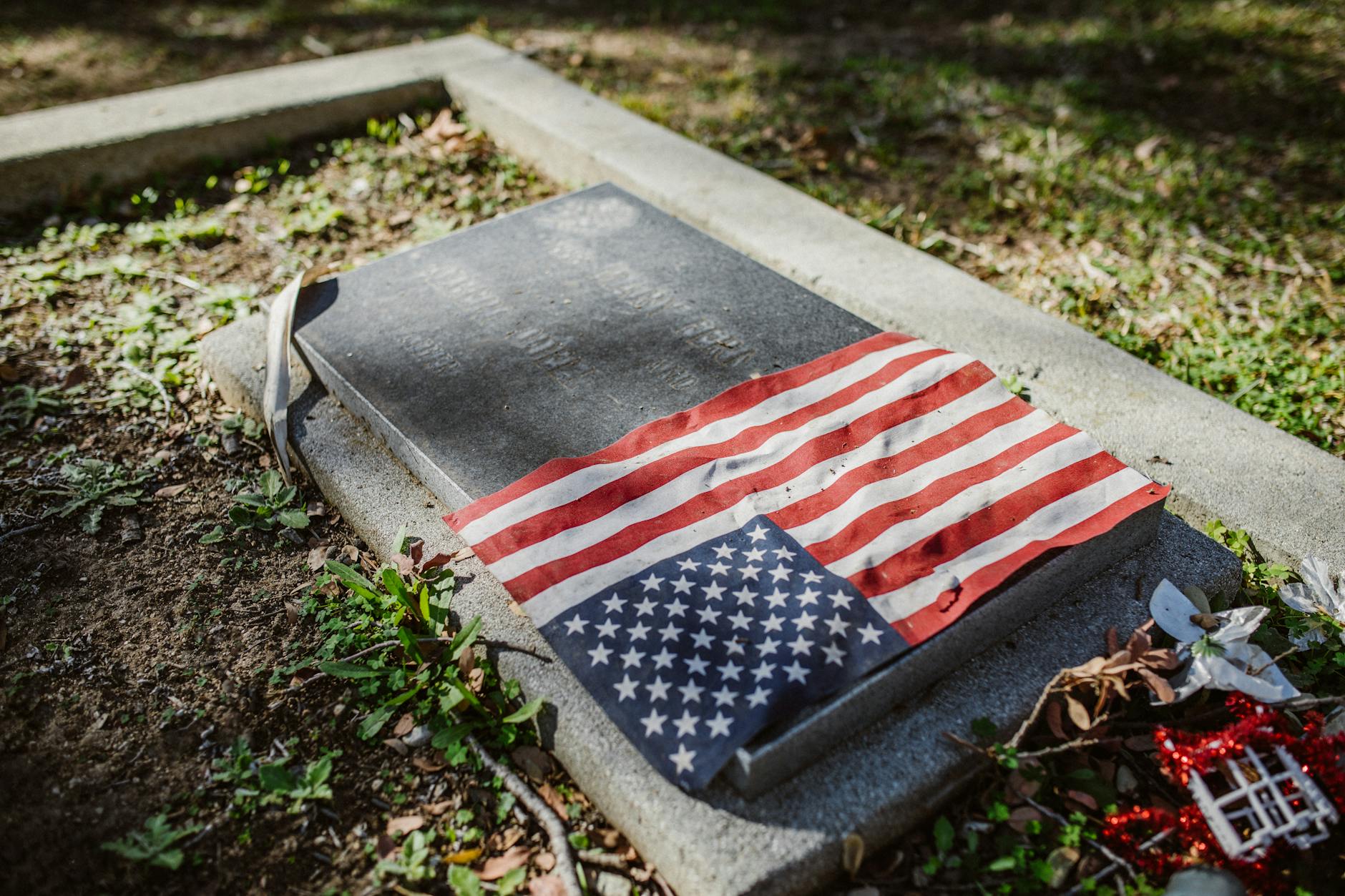
Throughout American military history, high-ranking officers have often led from the front, placing themselves in dangerous situations alongside the troops they commanded. While many senior leaders direct operations from safer positions, some have been killed in action while actively engaged in combat zones. Their deaths serve as reminders that leadership in the military can carry the same risks faced by enlisted personnel.
These individuals are remembered not only for their rank, but for their willingness to share the dangers of war.
Simon Bolivar Buckner Jr.
Simon Bolivar Buckner Jr. was a lieutenant general during World War II and remains the highest-ranking U.S. military officer killed by enemy fire. He died during the Battle of Okinawa in 1945.
Buckner was inspecting front-line positions when he was struck by artillery fire. His death underscored the risks even senior commanders faced in active combat zones.
Lesley J. McNair
Lesley J. McNair was a lieutenant general who played a major role in training U.S. Army forces during World War II. He was killed in Normandy in 1944.
McNair died during a friendly fire incident caused by an aerial bombing. Despite the circumstances, he is still counted among those killed in action.
Harold J. Greene
Harold J. Greene was a major general killed in 2014 during the War in Afghanistan. He was the highest-ranking U.S. officer killed in combat since the Vietnam War.
Greene was shot by an insider attacker while visiting a training facility. His death highlighted the evolving nature of modern warfare threats.
John F. Reynolds
John F. Reynolds was a major general in the Union Army during the American Civil War. He was killed on the first day of the Battle of Gettysburg.
Reynolds was leading troops into position when he was struck by enemy fire. His leadership was considered critical in the early stages of the battle.
Albert Sidney Johnston
Albert Sidney Johnston was a full general in the Confederate Army during the American Civil War. He was killed at the Battle of Shiloh in 1862.
Johnston suffered a fatal wound while directing troops on the battlefield. His death was a significant loss for the Confederate forces.
Why High-Ranking Officers Sometimes Enter Combat Zones
Senior military leaders are not always removed from the battlefield. In some cases, their presence can influence morale and decision-making.
Reasons they may be in active zones include:
- Directly overseeing operations
- Boosting troop morale through visibility
- Assessing battlefield conditions firsthand
- Coordinating with allied forces
- Responding to rapidly changing situations
These responsibilities can bring them closer to danger. Leadership often requires firsthand engagement.
The Risks of Leadership in War
High-ranking officers carry significant responsibility, and their decisions can shape entire campaigns. However, being present in combat zones increases personal risk.
Modern warfare has introduced new threats, including unconventional tactics. This has made even secured areas potentially dangerous.
Conclusion
The loss of high-ranking military leaders in combat serves as a powerful reminder of the risks associated with leadership during wartime. These individuals chose to be present where it mattered most, often at great personal cost.
Their legacies endure through the impact they had on their troops and the course of history. Their stories reflect both courage and the realities of war.




Leave a Reply