
Some of the world’s oldest religions have survived thousands of years of cultural change, political upheaval, and globalization. Despite modern shifts in belief systems, these traditions continue to be practiced by millions of people today.
Their endurance is often tied to deep cultural identity, oral tradition, and adaptable belief structures. Understanding them offers insight into how spiritual systems can persist across vast stretches of human history.
Hinduism
Hinduism is widely considered one of the oldest continuously practiced religions in the world. It developed over thousands of years in the Indian subcontinent, with roots tracing back to ancient Vedic traditions.
Rather than a single founder or unified doctrine, Hinduism is a diverse collection of beliefs, rituals, and philosophies. This flexibility has helped it evolve while maintaining continuity.
Core ideas include karma, dharma, and reincarnation. These concepts shape daily life, ethics, and spiritual practice for many followers.
Zoroastrianism
Zoroastrianism is one of the earliest known monotheistic religions, originating in ancient Persia. It was founded by the prophet Zoroaster, though the exact timeline remains debated by scholars.
The religion centers on the worship of Ahura Mazda and emphasizes the eternal struggle between good and evil. Fire is often used as a symbol of purity and divine presence.
Though its number of followers has declined significantly, it remains actively practiced in small communities. These groups preserve ancient rituals and texts with great care.
Judaism
Judaism is one of the oldest monotheistic faiths still practiced today. Its origins trace back to ancient Israel and the covenant between God and the Hebrew people.
Central to Judaism is the Torah, which outlines laws, history, and spiritual teachings. These texts form the foundation of religious life and identity.
Jewish practice includes a strong emphasis on tradition, community, and ethical conduct. Despite centuries of diaspora, the religion has maintained continuity across the world.
Shinto
Shinto is the indigenous spiritual tradition of Japan and has existed for thousands of years. It is deeply connected to nature, ancestral worship, and local deities known as kami.
Rather than a formal doctrine, Shinto is practiced through rituals, festivals, and shrine visits. It is closely integrated into Japanese cultural life.
Many people in Japan practice Shinto alongside other belief systems. This flexibility has helped it remain relevant in modern society.
Buddhism
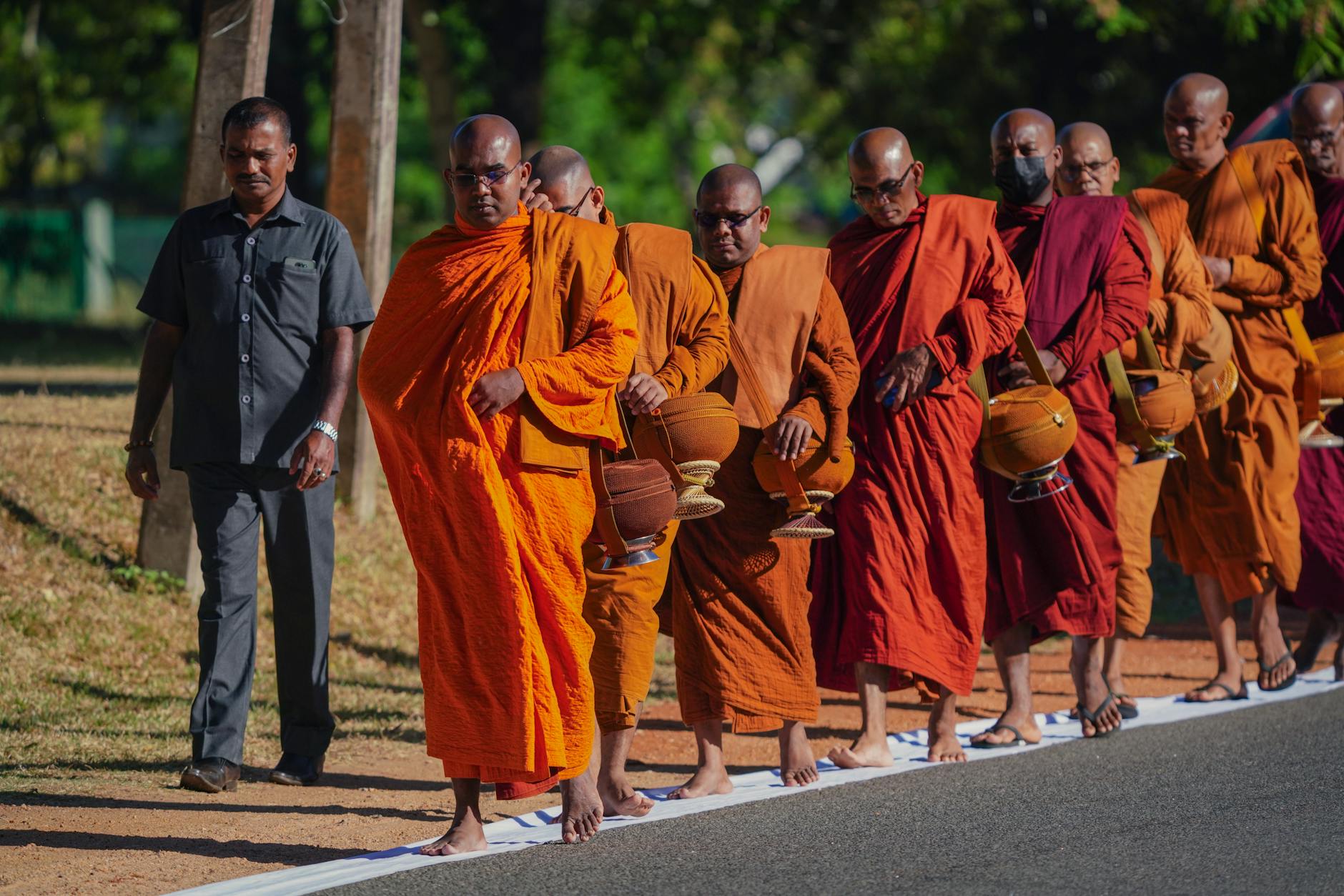
Buddhism originated in ancient India with the teachings of Siddhartha Gautama, known as the Buddha. It spread across Asia and developed into many different traditions.
The core teachings focus on suffering, impermanence, and the path to enlightenment. Practices such as meditation and ethical living are central to its philosophy.
Buddhism exists in multiple forms, including Theravada, Mahayana, and Vajrayana traditions. This diversity has helped it adapt across cultures and time periods.
Common Features of Ancient Religions
Despite their differences, many ancient religions share certain characteristics that have helped them endure:
- Strong oral and written traditions
- Deep ties to cultural identity
- Adaptability to changing societies
- Emphasis on ethical or moral frameworks
These shared traits contribute to their longevity and continued relevance in modern life.
Conclusion
The world’s oldest religions demonstrate how spiritual systems can survive across millennia while still evolving. Their persistence reflects both cultural resilience and the human search for meaning.
By studying these traditions, we gain a deeper understanding of history, identity, and belief. They remain an important part of the global cultural landscape today.


Leave a Reply