
Frozen pizza is one of the most convenient foods in modern grocery stores, offering quick meals with minimal preparation. However, nutrition researchers and public health organizations have long noted that not all frozen pizzas are created equal when it comes to ingredient quality and long-term health impact.
Some varieties rely heavily on processed meats, refined carbohydrates, and additives that, when consumed frequently, have been associated with increased health concerns. While no single food directly causes disease on its own, dietary patterns rich in ultra-processed foods are often discussed in relation to long-term risks.
Pepperoni-Heavy Frozen Pizzas
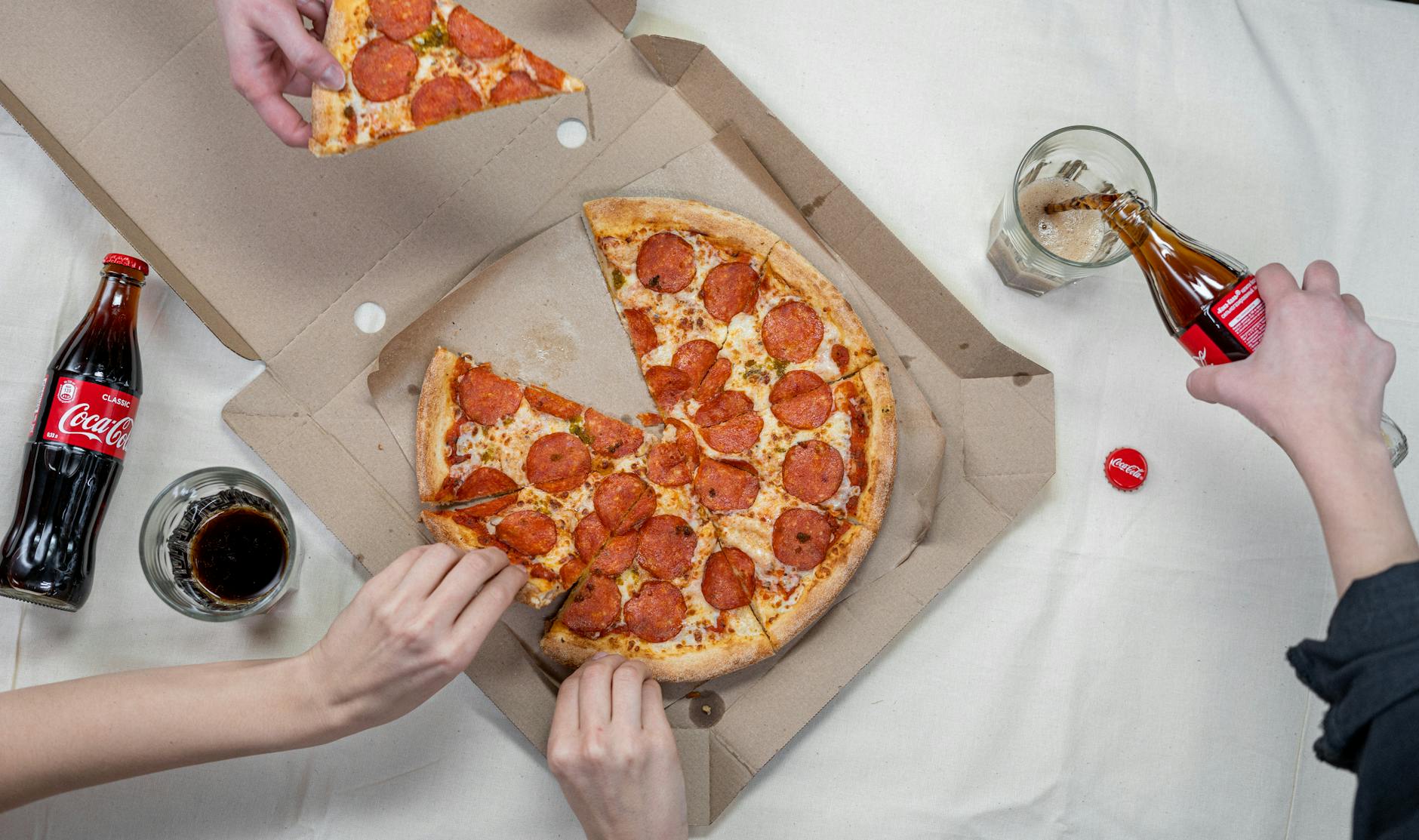
Pepperoni-based frozen pizzas are among the most popular varieties, but they also raise the most consistent health concerns. Processed meats like pepperoni contain curing agents such as nitrates and nitrites, which have been studied extensively in relation to health risks when consumed in high amounts.
The World Health Organization’s International Agency for Research on Cancer has classified processed meats as carcinogenic to humans, based on evidence linking long-term consumption to colorectal cancer risk. While an occasional slice is not considered dangerous, frequent intake is where concerns arise.
In frozen pizza form, pepperoni is often used generously, increasing overall processed meat content per serving. Combined with refined dough and high sodium levels, this makes it one of the more scrutinized pizza styles.
Extra-Cheese Ultra-Saturated Pizzas
Frozen pizzas loaded with extra cheese may feel indulgent, but they can also contribute to excessive saturated fat intake. High levels of saturated fat are associated with broader cardiovascular health concerns, which indirectly relate to long-term wellness outcomes.
These pizzas often contain blends of low-cost cheeses engineered for meltability and shelf stability. While effective for texture, they can be higher in sodium and additives than freshly prepared cheese alternatives.
Over time, diets consistently high in saturated fats are considered less favorable in nutritional guidelines. This is especially relevant when such pizzas are consumed as a regular meal option rather than an occasional treat.
Stuffed Crust Frozen Pizzas
Stuffed crust pizzas add an extra layer of processed dough and cheese, increasing calorie density significantly. The crust is often made with refined flour, which can contribute to rapid blood sugar spikes when eaten frequently.
During high-temperature baking, refined carbohydrate foods can form compounds such as acrylamide, which has been studied in relation to potential health risks. While levels in pizza are typically low, it contributes to broader dietary exposure when combined with other processed foods.
The appeal of stuffed crust often lies in texture and indulgence rather than nutritional value. This makes it a less favorable option for those monitoring long-term dietary quality.
Meat Lover’s Style Frozen Pizzas
Meat-heavy frozen pizzas often combine multiple processed meats such as sausage, pepperoni, and bacon-style toppings. This significantly increases the presence of preservatives and sodium in a single meal.
As with pepperoni products, these meats fall under the broader category of processed meats that have been studied for potential links to certain cancers when consumed frequently over time. The concern is not occasional consumption, but cumulative dietary patterns.
These pizzas are also typically higher in calories and saturated fats, making them less balanced than vegetable-based alternatives. Their composition places them among the more scrutinized frozen pizza varieties.
Gluten-Free Ultra-Processed Frozen Pizzas
Gluten-free frozen pizzas are designed for dietary restrictions, but many rely on highly processed alternative flours such as rice, tapioca, or potato starch blends. These ingredients can result in a product that is still highly refined despite being gluten-free.
To improve texture and shelf life, manufacturers often add stabilizers, emulsifiers, and gums. While these additives are generally considered safe, they contribute to the ultra-processed classification of many frozen foods.
From a nutritional standpoint, gluten-free does not automatically mean healthier. Some versions can be just as high in sodium, fats, and additives as traditional frozen pizzas.
Conclusion
Frozen pizzas vary widely in ingredients and nutritional quality, but many of the most popular varieties share common characteristics such as processed meats, refined carbohydrates, and high sodium content. These factors are often discussed in broader conversations about diet quality and long-term health.
Understanding what goes into these convenience foods can help consumers make more informed choices. Moderation and balance remain key when incorporating frozen meals into a regular diet.



Leave a Reply