
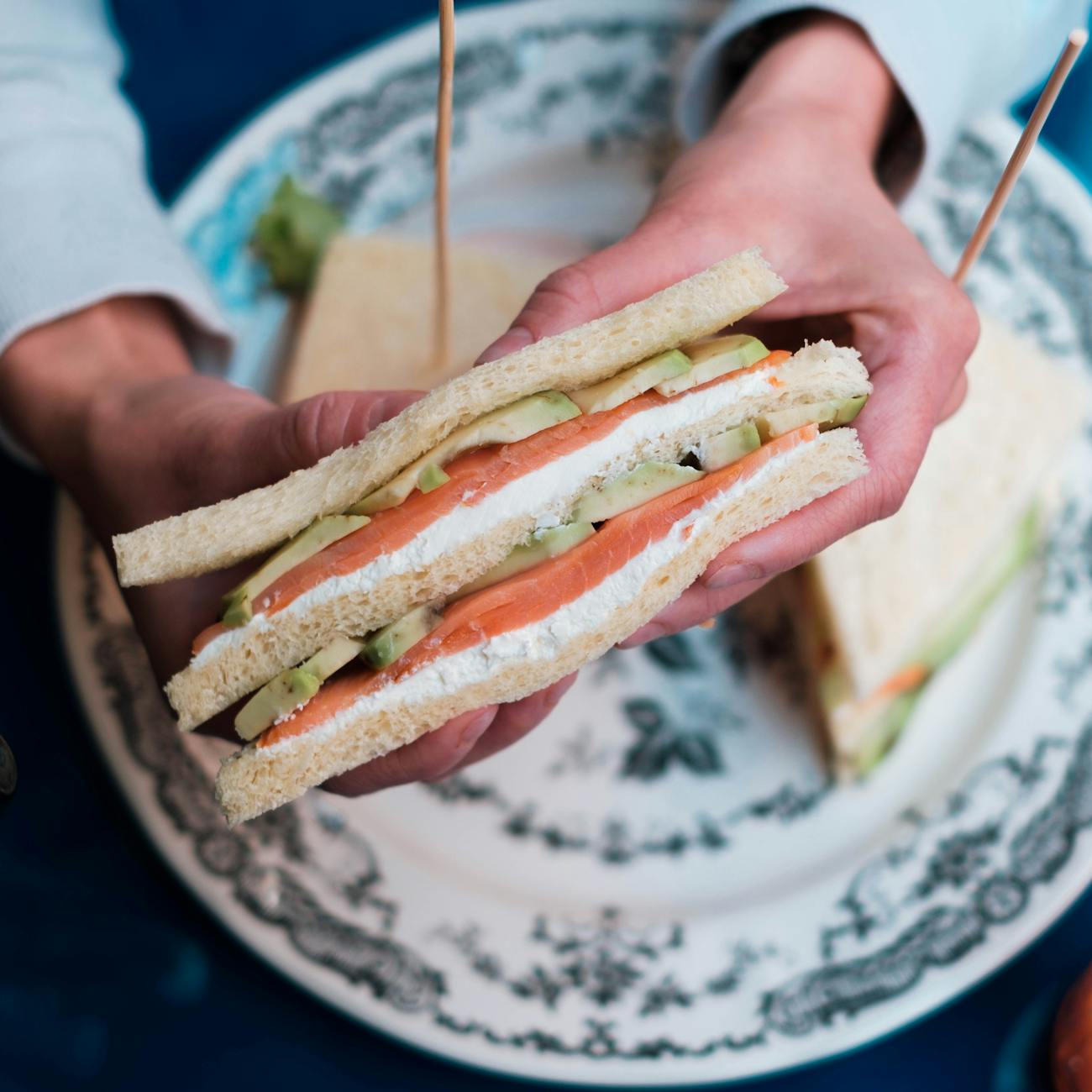
Sandwich bread is a daily staple in many households, often trusted for convenience and consistency. However, recent reports have raised questions about certain additives and contaminants found in some widely available brands.
These concerns have prompted increased testing and, in select cases, product withdrawals. While not always formal recalls, the actions reflect growing awareness around food safety and ingredient transparency.
Wonder Bread and Dough Conditioner Additives
Wonder Bread has faced scrutiny over the use of azodicarbonamide, a dough conditioner once common in processed baked goods. This chemical has been linked to potential health concerns when consumed in large quantities.
Although regulatory agencies permit limited use, public pressure led to reformulation efforts. Some retailers temporarily removed older formulations during the transition to updated recipes.
Sara Lee and Preservative Residue Issues
Sara Lee breads were examined after reports suggested elevated levels of certain preservatives. These compounds are used to extend shelf life but can raise concerns when present in higher-than-expected amounts.
In response, select batches were pulled from store shelves while quality checks were conducted. The company emphasized compliance but acknowledged the importance of consumer trust.
Nature’s Own and Pesticide Trace Findings
Nature’s Own products came under review following independent tests detecting trace pesticide residues. These findings were linked to grain sourcing rather than the baking process itself.
While the levels were minimal, some distributors chose to halt sales temporarily. This action highlighted the growing focus on agricultural inputs in food safety discussions.
Pepperidge Farm and Packaging Chemical Concerns
Pepperidge Farm sandwich breads were part of a broader conversation about packaging-related chemicals. Concerns centered on substances that could migrate from packaging into food products.
Although no widespread recall was issued, certain lots were removed as a precaution. The situation underscored how packaging materials can influence overall product safety.
Dave’s Killer Bread and Mold Inhibitor Debate
Dave’s Killer Bread, known for its organic positioning, faced questions regarding natural mold inhibitors used in its recipes. While generally considered safe, some consumers raised concerns about ingredient clarity.
The brand responded by increasing transparency and reviewing formulations. In some regions, retailers paused sales of specific batches during evaluation.
Common Additives Raising Red Flags
Many of the concerns surrounding sandwich bread stem from a handful of commonly used additives and processing aids. Understanding these ingredients can help consumers make more informed choices.
Key ingredients often discussed include:
- Dough conditioners like azodicarbonamide
- Artificial preservatives such as calcium propionate
- Pesticide residues from grain sourcing
- Chemicals potentially linked to packaging materials
Awareness of these elements is driving demand for cleaner labels.
How Consumers Are Responding
Shoppers are becoming more attentive to ingredient lists and certifications. Many now seek out breads labeled organic, non-GMO, or free from artificial additives.
This shift in behavior is influencing how brands formulate and market their products. Transparency has become a key factor in purchasing decisions.
The Push Toward Cleaner Ingredients
The bread industry is gradually adapting to evolving expectations around safety and quality. Companies are investing in alternative ingredients and more rigorous testing methods.
As standards continue to tighten, consumers can expect improved labeling and safer formulations. The trend points toward a future where simplicity and clarity take priority.


Leave a Reply