
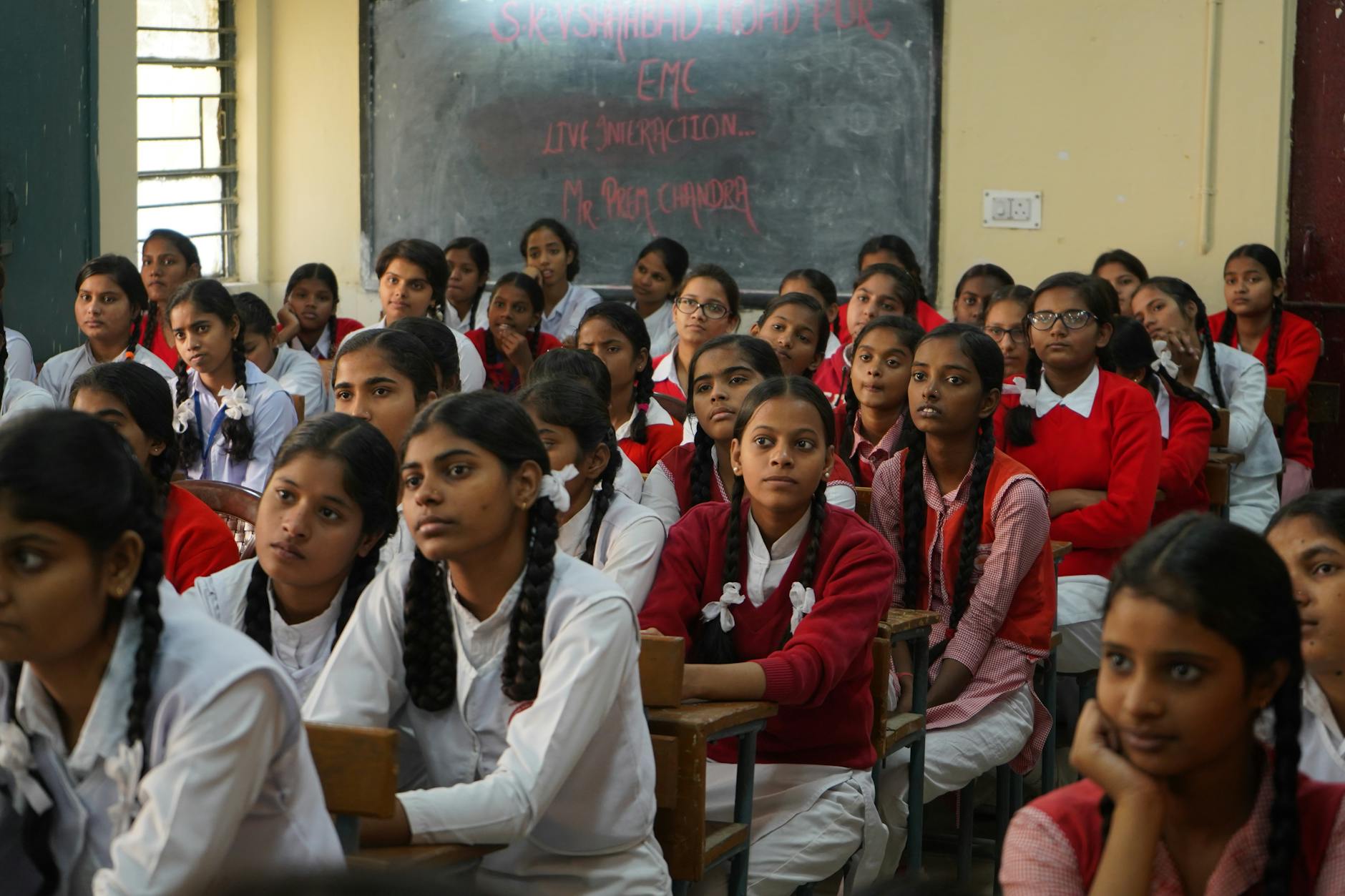
High school curricula have changed significantly over the past few decades as education systems adapt to new technologies, workforce needs, and cultural shifts. Many classes that were once considered essential are now being replaced or reimagined with modern equivalents. As a result, today’s students often have a very different academic experience than their parents did.
Home Economics
Home Economics was once a staple in many high schools, focusing on practical life skills such as cooking, sewing, budgeting, and household management. It was designed to prepare students for independent living in a very hands-on way.
Today, many of these topics are integrated into broader life skills or elective courses. However, the standalone subject has largely disappeared from most modern curricula, replaced by more flexible programs.
Shop Class
Shop Class taught students woodworking, metalworking, and basic mechanical skills. It was a highly practical course where students built projects and learned how tools and machinery worked.
While some schools still offer versions of it under “career and technical education,” traditional shop class has become less common. Safety regulations, funding shifts, and academic prioritization have all contributed to its decline.
Typing Class
Typing Class was once a dedicated course focused on learning proper keyboard technique using typewriters. Students practiced accuracy and speed through repetitive drills and timed tests.
With computers now integrated into every classroom, typing is no longer a standalone subject in most schools. Instead, keyboard skills are assumed or taught briefly within broader technology courses.
Civics Education
Civics Education once focused heavily on memorizing government structures, constitutional details, and civic responsibilities. It was often a required course emphasizing national systems and civic duty.
Modern education still includes civics, but it is often integrated into social studies or government classes with a broader focus. The approach now tends to emphasize critical thinking and current events rather than memorization alone.
Driver’s Education
Driver’s Education was once commonly offered as part of the school day, teaching students road rules, safety, and hands-on driving practice. It was often the first step toward obtaining a driver’s license.
Today, many schools have removed it due to liability concerns and funding constraints. Instead, students typically complete private driving courses or online programs outside of school.
Common reasons these classes have changed or disappeared include:
- Shifts toward digital and technology-based learning
- Budget cuts and reduced elective offerings
- Safety and liability concerns in hands-on subjects
- Integration of life skills into broader curricula
- Changing workforce and educational priorities
How Modern Education Has Shifted
Modern high schools tend to focus more on STEM subjects, digital literacy, and college readiness. While this reflects current societal needs, it also means some practical, hands-on classes have become less common.
Many of the skills once taught in standalone classes are still present, but they are now distributed across multiple subjects. This creates a more flexible but less specialized learning experience for students.




Leave a Reply