
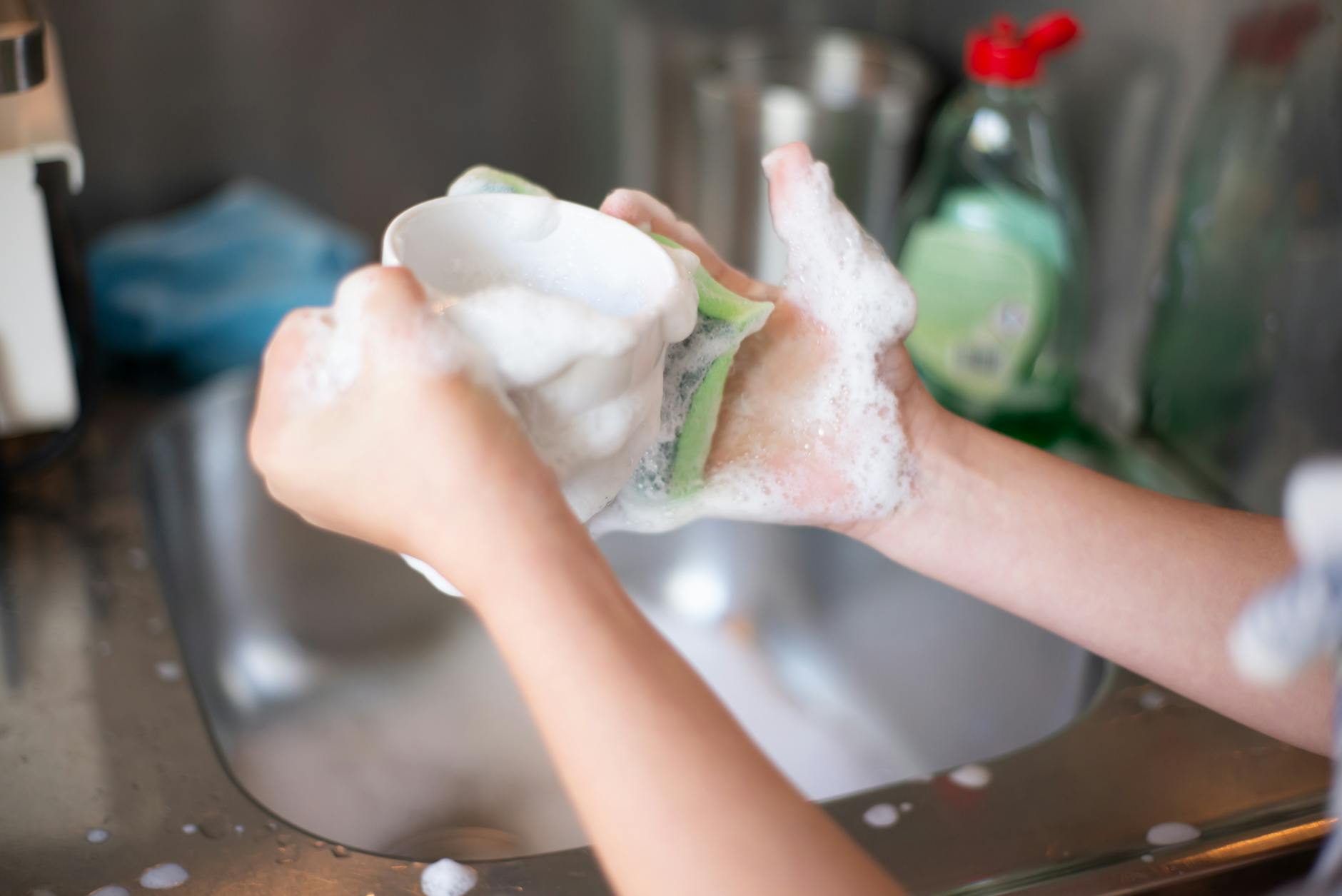
Dish soaps are designed to cut grease and sanitize, but recent attention has shifted toward what’s actually inside these cleaning products. Some formulations have raised questions due to potentially harmful chemicals or contaminants.
In certain cases, retailers have pulled products from shelves as a precaution. These actions reflect a broader push for safer, more transparent household goods.
Dawn and Surfactant Safety Questions
Dawn dish soap has faced scrutiny over the use of synthetic surfactants, which help break down grease. Some watchdog groups raised concerns about skin irritation and environmental persistence.
While no widespread recall was issued, select lots were reportedly removed during reviews. The discussion prompted closer examination of ingredient sourcing and formulation.
Palmolive and Preservative Concerns
Palmolive products were examined due to the presence of certain preservatives used to extend shelf life. These chemicals can sometimes cause sensitivity in users with prolonged exposure.
Retailers in limited markets pulled specific batches while testing was conducted. The brand maintained compliance but acknowledged evolving consumer expectations.
Seventh Generation and Fragrance Ingredient Debate
Seventh Generation, known for plant-based formulas, faced questions about undisclosed fragrance components. Even naturally derived scents can include compounds that trigger allergic reactions.
Some stores temporarily removed affected products pending clarification. The company responded by increasing transparency around fragrance ingredients.
Method and Packaging Chemical Issues
Method dish soaps were part of a broader concern involving chemicals potentially leaching from plastic packaging. These substances may migrate into the liquid over time.
Though risks were considered low, certain batches were pulled as a precaution. This case highlighted the role packaging plays in overall product safety.
Ajax and Dye Additive Scrutiny
Ajax dish soap came under review for its use of artificial dyes, which give the product its bright appearance. Some studies have questioned the long-term safety of certain coloring agents.
Retailers responded by removing select varieties while assessments were completed. The issue contributed to growing demand for dye-free alternatives.
Common Ingredients Raising Red Flags
Many of the concerns surrounding dish soaps stem from a handful of commonly used components. Increased awareness has led consumers to question the necessity of these additives.
Frequently discussed ingredients include:
- Synthetic fragrances with undisclosed compounds
- Artificial dyes and colorants
- Preservatives linked to skin sensitivity
- Surfactants with environmental persistence
Understanding these elements can help consumers make informed decisions.
How Consumer Behavior Is Changing
Shoppers are becoming more mindful about the cleaning products they bring into their homes. Labels such as “non-toxic,” “biodegradable,” and “fragrance-free” are gaining importance.
This shift is encouraging brands to reformulate and simplify their ingredient lists. Transparency is quickly becoming a competitive advantage in the cleaning aisle.
Industry Efforts Toward Safer Products
Manufacturers are investing in safer alternatives and improved testing methods. Many are working to eliminate controversial ingredients while maintaining effectiveness.
As regulations and consumer expectations evolve, dish soaps are likely to become cleaner in every sense. The trend points toward products that balance performance with safety.



Leave a Reply