
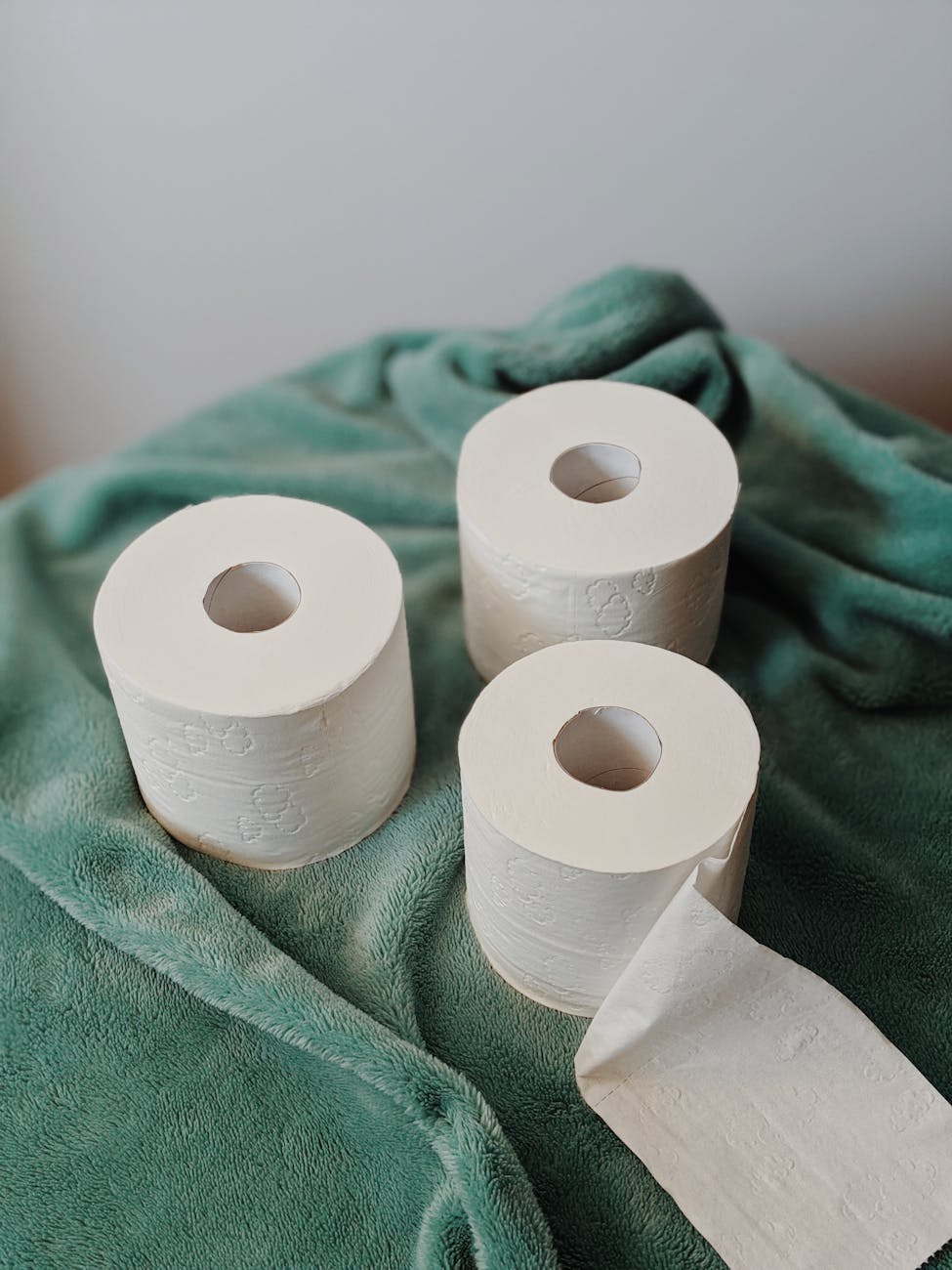
Toilet paper is one of the most widely used household essentials, yet few people think about how it’s made. Recently, concerns about chemical residues and production methods have drawn attention to certain popular brands.
In some instances, retailers have removed products from shelves as a precaution. These actions reflect growing awareness around safety and ingredient transparency in everyday goods.
Charmin and Chemical Residue Concerns
Charmin has been scrutinized over potential traces of chemical byproducts linked to the bleaching process. These substances can form when chlorine-based methods are used in paper production.
Although considered safe within regulatory limits, some batches were reportedly pulled during quality reviews. The situation sparked broader discussions about alternative bleaching techniques.
Cottonelle and Contamination Recall
Cottonelle faced a well-publicized recall due to possible bacterial contamination during manufacturing. The issue was linked to conditions in certain production environments.
Affected products were removed from store shelves, and consumers were advised to check lot numbers. The company implemented additional safety measures to prevent future incidents.
Quilted Northern and Fiber Processing Additives
Quilted Northern came under review for additives used in softening and strengthening paper fibers. Some of these chemicals raised concerns among consumer advocacy groups.
Retailers in select regions temporarily halted sales of specific batches. The brand responded by reviewing its formulations and increasing transparency.
Scott and Recycled Material Risks
Scott toilet paper, often made with recycled fibers, has been examined for potential contaminants introduced during recycling. These may include trace inks or industrial residues.
While risks were considered minimal, some distributors opted for precautionary withdrawals. This highlighted the complexities of balancing sustainability with safety.
Seventh Generation and PFAS Concerns
Seventh Generation products were included in discussions about PFAS, sometimes called “forever chemicals.” These substances can enter paper products through water or processing methods.
Though levels detected were low, certain retailers removed affected inventory. The brand emphasized its commitment to reducing chemical exposure and improving sourcing practices.
Common Factors Behind These Safety Concerns
Many of the issues affecting toilet paper stem from similar stages in production and sourcing. Increased testing has made it easier to detect even trace amounts of unwanted substances.
Key contributing factors include:
- Chemical byproducts from bleaching processes
- Contamination during manufacturing
- Additives used for softness and durability
- Impurities in recycled materials
Understanding these risks helps explain why even common products face scrutiny.
How Consumers Are Responding
Shoppers are becoming more selective about the paper products they purchase. Labels such as “chlorine-free,” “unbleached,” and “chemical-free” are gaining attention.
This shift in buying behavior is encouraging brands to adopt safer and more transparent practices. Consumer demand is playing a major role in shaping industry standards.
The Future of Safer Paper Products
Manufacturers are investing in cleaner production methods and stricter quality controls. Advances in testing and sourcing are helping reduce the likelihood of contamination.
As awareness continues to grow, the industry is expected to move toward safer, more sustainable options. These changes aim to ensure that everyday essentials meet higher safety expectations.


Leave a Reply