
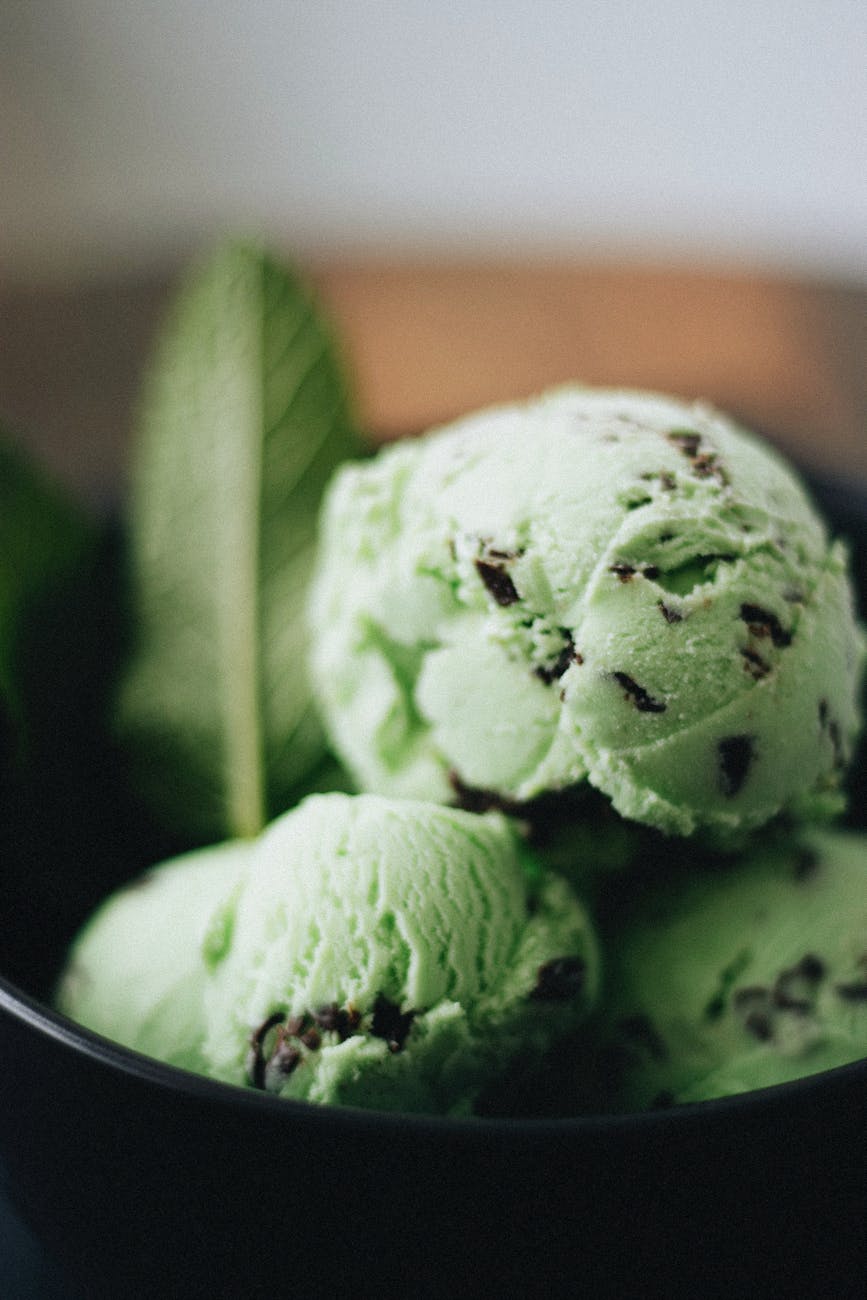
The ice cream industry is often seen as stable because frozen desserts remain popular year-round, but the business behind the scoop is far more fragile than it appears. Rising dairy prices, labor shortages, high energy costs for refrigeration, and shifting consumer habits toward low-sugar or plant-based desserts have put real pressure on many brands.
Some companies have already gone through restructuring or bankruptcy in the past, while others continue to struggle with shrinking store counts and debt-heavy expansion models. Below are six real ice cream and frozen dessert brands that have faced significant financial challenges and continue to operate in a difficult environment.
Friendly’s
Friendly’s is one of the most well-known examples of a legacy ice cream and diner-style chain facing long-term financial strain. The company has filed for bankruptcy protection multiple times in past decades as consumer traffic declined and operating costs increased.
While it still operates locations, Friendly’s has significantly reduced its footprint compared to its peak. Its challenges stem from aging store formats, competition from fast-casual dining, and declining dine-in restaurant traffic overall.
TCBY
TCBY was once a dominant frozen yogurt brand, but it has seen a steady decline in physical store presence over the years. Changing trends in frozen desserts and increased competition from both ice cream and specialty dessert shops have reduced its market share.
Although still operating in some regions, many locations have closed, and the brand now relies heavily on franchise models that vary in performance and profitability.
Carvel
Carvel remains a recognizable name in soft-serve ice cream, but its footprint has contracted compared to earlier decades. As part of a larger franchised dessert ecosystem, its performance depends heavily on individual store operators.
Rising ingredient costs and competition from larger national chains have made it difficult for some franchise locations to remain profitable, leading to uneven performance across markets.
Marble Slab Creamery
Marble Slab Creamery operates in the premium “mix-in” ice cream segment, which has become increasingly competitive. The brand is part of a larger restaurant holding structure that carries significant debt across multiple concepts.
While Marble Slab still maintains brand recognition, rising costs and franchise pressure have made profitability inconsistent, especially in smaller or lower-traffic markets.
Bruster’s Real Ice Cream
Bruster’s Real Ice Cream is a regional chain known for fresh-made ice cream, but its growth has been limited geographically. Expansion costs, seasonal demand fluctuations, and labor-intensive production methods can create financial strain for individual franchise owners.
Although the brand remains popular in certain areas, its limited scale makes it more vulnerable to regional economic shifts.
Dippin’ Dots
Dippin’ Dots is a unique frozen dessert brand known for its flash-frozen bead-style ice cream. Despite strong novelty appeal, the company has faced financial instability in the past, including bankruptcy restructuring years ago.
Its reliance on event-based sales, theme parks, and specialty venues makes revenue inconsistent, especially during economic downturns or disruptions in public gatherings.
Conclusion
The frozen dessert industry may appear sweet and stable, but many brands operate under significant financial pressure. Legacy chains struggle with outdated models, franchise-heavy systems face uneven performance, and niche brands often rely on limited distribution channels. While these companies continue to adapt, their histories and current challenges show how even beloved ice cream brands must constantly evolve to survive in a highly competitive market.


Leave a Reply