
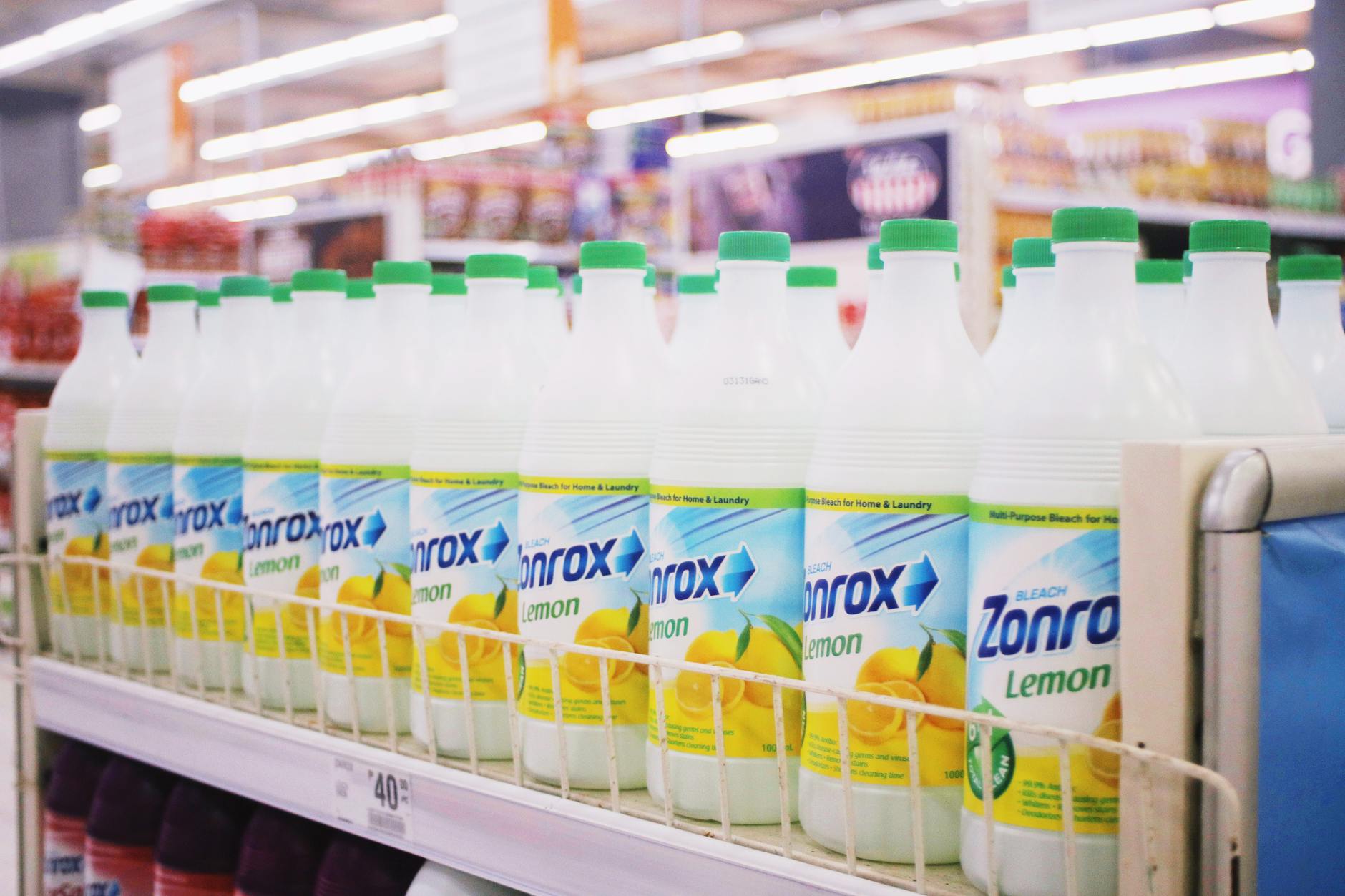
Bleach is a powerful disinfectant that many people rely on to clean and sanitize their homes. While it can be extremely effective for killing germs and bacteria, bleach is not safe for every household surface or item. Using bleach incorrectly can damage materials, cause discoloration, or even create harmful chemical reactions. Understanding which items to avoid when cleaning with bleach can protect your home and your health.
Wood Surfaces — Cabinets, Furniture, and Floors
Using bleach on wood surfaces can strip away protective finishes, leaving them discolored, dry, or warped. Cabinets, tables, and hardwood floors are particularly vulnerable. Even a diluted bleach solution can react with the natural oils in wood, causing long-term damage. Instead, use mild soap, water, or wood-specific cleaners to maintain both cleanliness and appearance.
Stainless Steel Appliances and Utensils
While bleach is effective against bacteria, it can stain and corrode stainless steel over time. Items such as sinks, refrigerators, and cutlery may develop pitting or a dull finish if exposed to bleach. Opt for vinegar-based cleaners or specialized stainless steel products to keep your appliances shiny and safe.
Fabrics and Clothing — Especially Colored Items
Bleach can easily weaken fibers and fade colors in clothing, upholstery, and curtains. White cotton fabrics are usually safe, but colored fabrics, delicate materials like wool or silk, and synthetic blends can be irreversibly damaged. If you need to sanitize laundry without risking damage, try oxygen-based bleach alternatives or hot water cycles.
Painted Surfaces and Walls
Applying bleach to painted walls can lead to discoloration, peeling, or streaking, especially on walls with matte or delicate finishes. Over time, repeated use may degrade the paint, leaving surfaces vulnerable to moisture damage. Use mild cleaning solutions or specialized wall cleaners to avoid ruining your paint job.
Electronics and Appliances with Electrical Components
Never use bleach directly on electronics like televisions, computers, or small appliances. Bleach can corrode metal parts and cause short circuits, posing both a safety hazard and the risk of permanent damage. Instead, use alcohol-based wipes or microfiber cloths with minimal water for electronic surfaces.
Natural Stone Surfaces — Marble, Granite, and Limestone
Bleach is highly alkaline, which can etch or discolor natural stone surfaces such as marble, granite, and limestone. Using bleach on countertops, tiles, or stone floors may leave permanent marks. Stick to pH-neutral stone cleaners to preserve the beauty and integrity of natural stone surfaces.
Rubber and Silicone Items
Rubber seals, gaskets, and silicone baking mats can degrade if exposed to bleach. Over time, bleach can cause cracking, brittleness, or loss of flexibility, which may compromise the function of appliances or cookware. For cleaning these items, warm soapy water or vinegar solutions are much safer.
The Bottom Line
While bleach is an excellent disinfectant for certain surfaces, using it on wood, stainless steel, fabrics, painted walls, electronics, natural stone, and rubber items can lead to damage or safety hazards. Opting for safer cleaning alternatives, such as mild soaps, vinegar, or specialized cleaners, can keep your home both clean and protected. Knowing when to skip bleach ensures your belongings last longer and reduces the risk of accidents.


Leave a Reply