
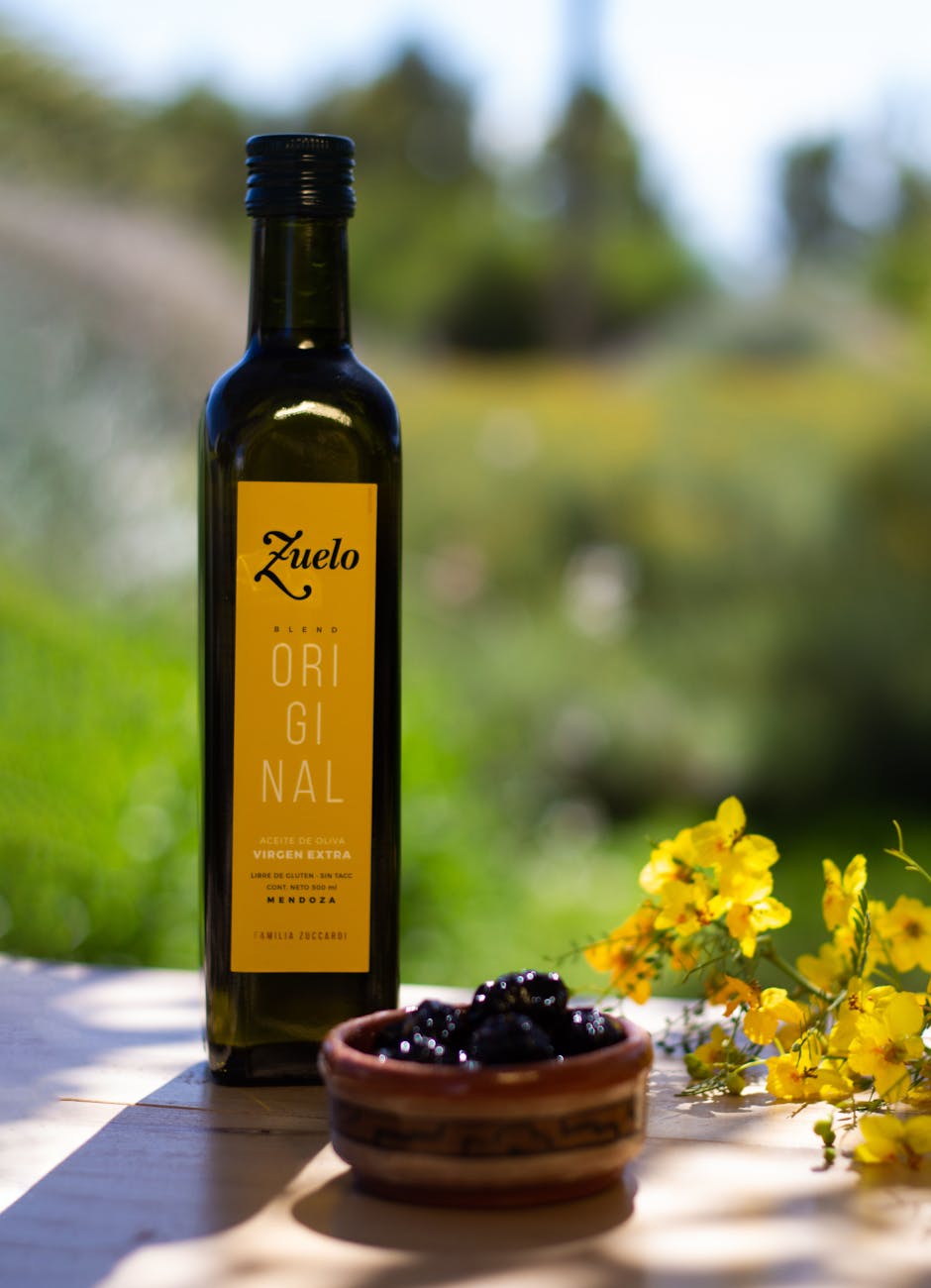
Olive oil is a kitchen essential, but finding a high-quality bottle without overspending can feel overwhelming. With flashy labels and wide price ranges, it’s easy to assume that more expensive always means better—but that’s not necessarily true. By knowing what to look for, you can confidently choose a great olive oil that delivers flavor and value.
Extra Virgin Olive Oil: Start With the Right Label
The first thing to check is the grade.
Extra virgin olive oil (EVOO) is the highest quality, made without heat or chemicals, preserving flavor and nutrients. Avoid vague labels like “pure” or “light,” which are often more processed and lower in quality.
Harvest Date: Freshness Matters
Olive oil isn’t like wine—it doesn’t improve with age.
Look for a harvest date on the bottle rather than just an expiration date. A fresher oil will have a brighter, more robust flavor and better nutritional value.
Dark Glass Bottles: Protecting the Oil
Packaging plays a big role in maintaining quality.
High-quality olive oil is usually sold in dark glass bottles or tins to protect it from light, which can degrade the oil over time. Clear plastic bottles are often a sign of lower-quality products.
Single-Origin Olive Oil: Know Where It Comes From
Single-origin olive oils come from one country or region, rather than being blended from multiple sources.
These oils tend to have more consistent flavor and quality. Labels that clearly state the origin—such as Italy, Spain, or Greece—are generally more trustworthy than generic blends.
Cold-Pressed Olive Oil: A Better Extraction Method
Cold-pressed oils are extracted without excessive heat, preserving natural flavors and nutrients.
This method is a hallmark of higher-quality olive oil. Many affordable brands still use this process, so you don’t have to spend a fortune to get it.
Taste and Aroma Clues
Even budget-friendly olive oil should taste fresh and vibrant.
A good olive oil often has a slightly peppery finish and a grassy or fruity aroma. If it tastes flat, greasy, or rancid, it’s likely not high quality—no matter the price.
Red Flags to Avoid
When shopping, keep an eye out for these warning signs:
- No harvest date listed
- Clear plastic packaging
- Extremely low prices that seem too good to be true
- Labels with vague or misleading terms
- Lack of origin information
How to Save Without Sacrificing Quality
You don’t need to buy the most expensive bottle to get great olive oil.
Store brands from reputable grocery chains often source from the same producers as premium brands. Buying in moderate quantities (rather than bulk) also ensures the oil stays fresh longer.
Final Thoughts
Finding high-quality olive oil on a budget is all about knowing what to look for.
By focusing on labels like extra virgin, checking for freshness, and avoiding common red flags, you can get excellent flavor without overspending. With a little attention, your olive oil can elevate every dish—without draining your wallet.

Leave a Reply