
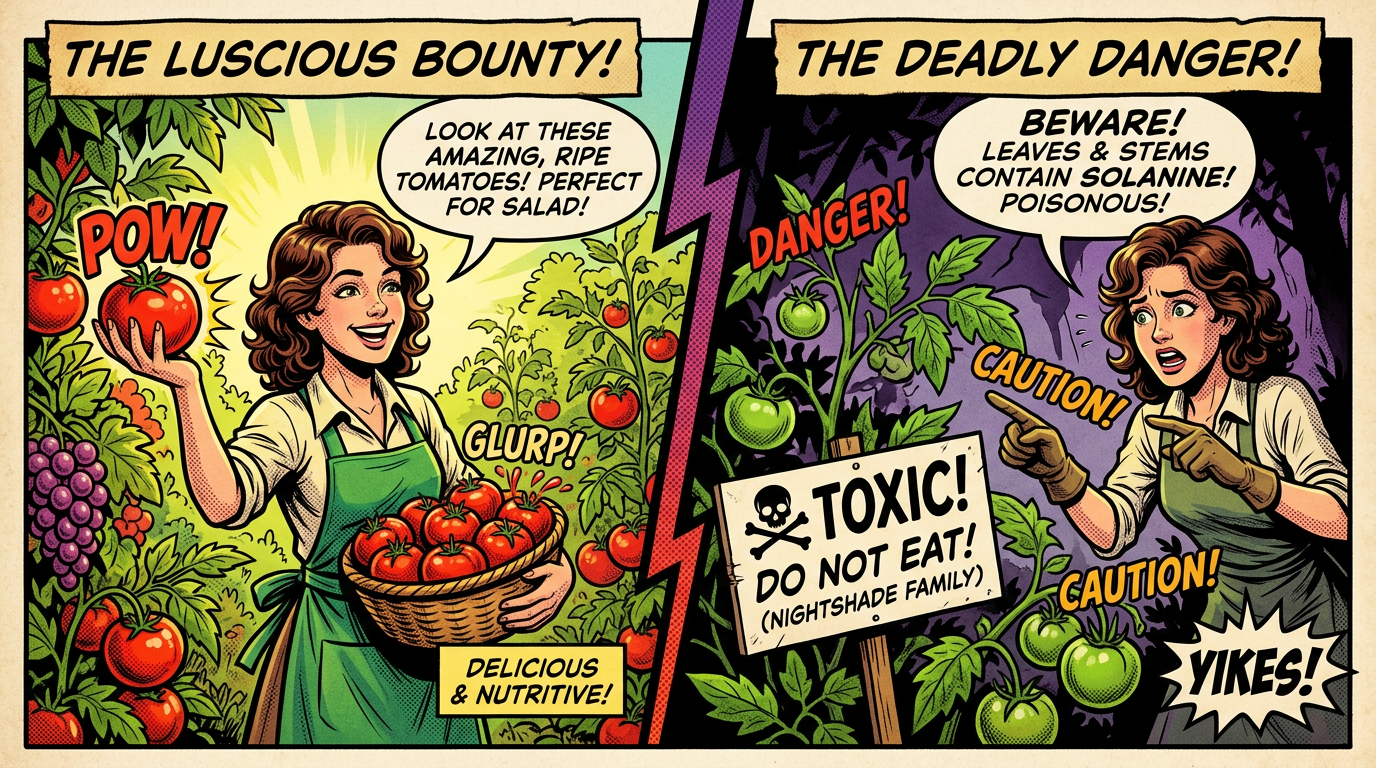
Fruit is an important part of a healthy diet, providing vitamins, minerals, fiber, and antioxidants. However, not every fruit is completely harmless under every circumstance. Some contain naturally occurring toxins in their seeds or pits, while others can be dangerous if they are eaten before they ripen or are prepared incorrectly. In most cases, the edible flesh is perfectly safe, but knowing which parts to avoid can help prevent accidental poisoning or illness.
Ackee
Ackee is the national fruit of Jamaica and a popular ingredient in the country’s traditional dish, ackee and saltfish. When fully ripened and properly prepared, the creamy yellow flesh is safe and delicious.
The danger comes from eating unripe ackee or consuming the seeds and pink inner membranes. These parts contain high levels of hypoglycin A, a toxin that can cause severe vomiting, dangerously low blood sugar, and a condition known as Jamaican vomiting sickness. Only naturally opened, fully ripe ackee should be eaten.
Elderberries
Elderberries are commonly used to make syrups, jams, pies, and herbal products, but raw elderberries require caution.
The berries themselves are generally safe once cooked, but the leaves, stems, bark, and unripe berries contain cyanogenic glycosides, compounds that can release cyanide during digestion. Eating these raw plant parts may cause nausea, vomiting, diarrhea, and stomach cramps.
Star Fruit
Star fruit is prized for its unique shape and refreshing flavor, but it can pose a serious risk for people with kidney disease.
The fruit contains a neurotoxin called caramboxin, which healthy kidneys usually remove without difficulty. People with impaired kidney function, however, may develop confusion, persistent hiccups, seizures, or other serious neurological symptoms after eating star fruit.
For individuals with healthy kidneys, star fruit is generally considered safe when eaten in moderation.
Apricots
Fresh apricots are perfectly safe to eat, but their pits contain amygdalin, a naturally occurring compound that can release cyanide when crushed or chewed.
Swallowing an intact pit usually allows it to pass through the digestive system, but breaking open and consuming the kernel increases the risk of cyanide exposure. The same caution applies to apricot kernels sometimes marketed as health supplements.
When preparing fruit safely, remember these basic tips:
- Never eat fruit pits or seeds unless they’re known to be edible.
- Avoid consuming unripe fruit that is known to contain natural toxins.
- Wash fresh fruit thoroughly before eating.
- Follow traditional preparation methods for specialty fruits.
Apples
Apples are among the safest fruits available, but their seeds contain small amounts of amygdalin.
Accidentally swallowing a few whole seeds is not considered dangerous because the hard coating usually remains intact during digestion. However, chewing and consuming large numbers of seeds could release cyanide compounds.
Fortunately, the amount found in a typical apple is extremely small, making the fruit itself perfectly safe to enjoy.
Cherries
Sweet and tart cherries are nutritious fruits packed with antioxidants, but their pits contain the same cyanide-producing compound found in apricot pits and apple seeds.
While accidentally swallowing a pit whole is unlikely to cause harm, crushing or chewing multiple pits should be avoided. The fruit itself remains completely safe and is enjoyed around the world.
Mangoes
The flesh of a ripe mango is safe and highly nutritious, but the peel and sap contain urushiol, the same oily compound found in poison ivy and poison oak.
Some people develop itchy rashes or skin irritation after handling mango peels, particularly if they are sensitive to urushiol. Peeling the fruit carefully and washing your hands afterward can reduce the likelihood of a reaction.
Rhubarb
Although commonly prepared like a fruit in pies, jams, and desserts, rhubarb is technically a vegetable. Its stalks are safe to eat when cooked, but the leaves contain high concentrations of oxalic acid and other toxic compounds.
Consuming rhubarb leaves can cause nausea, vomiting, difficulty breathing, and kidney problems in severe cases. For that reason, only the stalks should be used in recipes.
Conclusion
Most fruits are exceptionally safe when eaten as intended, but understanding which parts are edible—and which are not—is an important part of food safety. Whether it’s avoiding toxic pits, skipping unripe fruit, or following traditional preparation methods, a little knowledge goes a long way. By respecting these natural precautions, you can continue enjoying a wide variety of delicious fruits with confidence.



Leave a Reply