
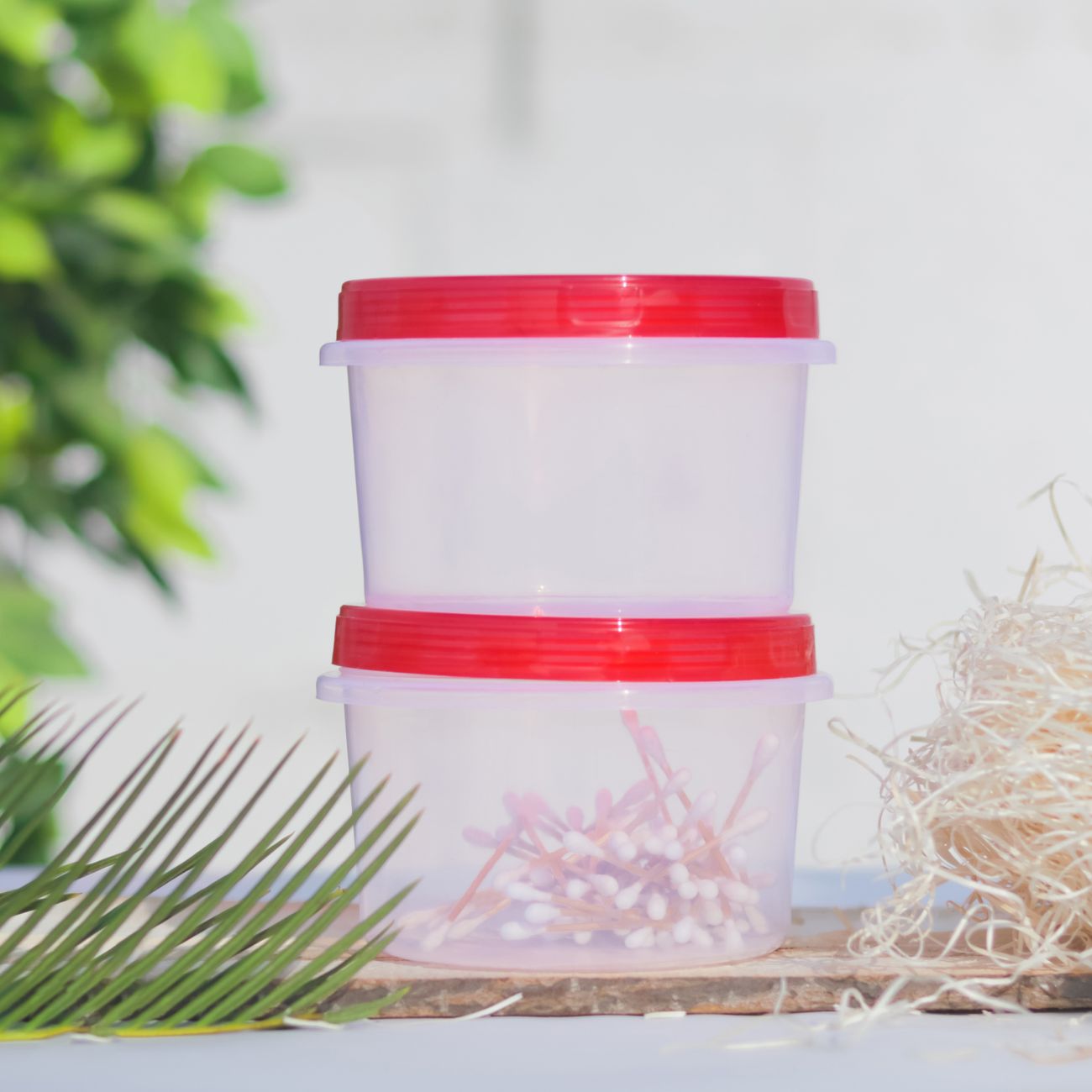
Plastic food containers are convenient, lightweight, and affordable, making them a staple in many kitchens. They’re commonly used for storing leftovers, meal prepping, and packing lunches. However, researchers continue to study how certain plastics interact with food, especially when exposed to heat, sunlight, or repeated use. While many modern food containers are considered safe when used as directed, some types of plastic may pose health concerns under specific conditions.
Understanding these potential risks can help you make informed decisions about food storage and when it may be worth switching to alternatives like glass or stainless steel. Here are nine health concerns associated with plastic food containers.
Chemical Leaching Into Food
One of the biggest concerns surrounding plastic containers is the possibility that chemicals from the plastic can migrate into food. This process, known as leaching, is more likely to occur when containers are heated or hold acidic or fatty foods.
Although many manufacturers now produce BPA-free containers, other chemicals may still migrate in small amounts under certain conditions. Following the manufacturer’s instructions for microwave and dishwasher use can help minimize this risk.
Exposure To Microplastics
Over time, plastic containers can become scratched, cracked, or worn from repeated use. As the material degrades, tiny plastic particles known as microplastics may be released into food or beverages.
Scientists are still studying the long-term health effects of microplastic exposure. While research is ongoing, reducing unnecessary exposure has become a recommendation supported by many public health experts.
Endocrine-Disrupting Chemicals
Some plastics contain chemicals that may interfere with the body’s hormonal system. These substances, often called endocrine disruptors, have been the focus of extensive scientific research.
Although many products have eliminated BPA, researchers continue to evaluate replacement chemicals and their potential effects. Choosing containers specifically labeled for food storage and replacing damaged plastics can reduce potential exposure.
Increased Bacterial Growth In Damaged Containers
Deep scratches and cracks in plastic containers can become difficult to clean completely. Even after washing, bacteria may remain trapped in damaged surfaces.
This increases the possibility of food contamination, particularly when storing ready-to-eat foods. Replacing containers that show visible wear helps improve food safety.
Several simple habits can reduce potential risks:
- Avoid microwaving containers unless they are labeled microwave-safe.
- Replace cracked or heavily scratched containers.
- Store hot foods in glass when practical.
- Avoid prolonged exposure to direct sunlight and excessive heat.
Release Of Chemicals During Heating
Heating food in certain plastic containers can accelerate the migration of chemicals into food. High temperatures place additional stress on plastic materials, especially older containers not designed for microwave use.
Using microwave-safe glass or ceramic dishes for reheating meals is often recommended when possible.
Retention Of Food Odors And Residues
Plastic is more porous than glass, allowing strong-smelling foods and oily residues to linger even after washing. While this issue is primarily related to food quality rather than health, lingering residues may encourage bacterial growth if containers are not cleaned thoroughly.
Persistent stains may also indicate that the plastic has absorbed oils or pigments over time.
Potential Exposure To PFAS In Some Food Packaging
Although most reusable plastic storage containers do not intentionally contain PFAS, certain food packaging materials have used these chemicals because of their grease-resistant properties.
PFAS, often called “forever chemicals,” have been associated with potential health concerns in ongoing research. Limiting unnecessary contact with heavily treated food packaging may help reduce overall exposure.
Wear And Tear From Repeated Dishwasher Use
Frequent exposure to high dishwasher temperatures can gradually weaken some plastic containers. This may increase scratching, warping, and deterioration that affect both food safety and container performance.
Inspecting containers regularly and replacing those showing signs of damage is a simple way to maintain safe food storage practices.
Environmental Contamination And Indirect Exposure
Discarded plastics eventually break down into smaller fragments that can enter waterways, soil, and even the food chain. This widespread environmental contamination contributes to growing human exposure to microplastics through drinking water, seafood, and other foods.
Although researchers continue investigating the health implications, reducing single-use plastics and properly recycling reusable containers can help limit future environmental impacts.
Conclusion
Plastic food containers remain a practical option for millions of households, and many are considered safe when used according to their instructions. However, factors such as heat, age, and physical damage can increase potential risks associated with certain plastics. Replacing worn containers, avoiding unnecessary heating, and using glass or stainless steel when appropriate are simple steps that can reduce exposure while maintaining safe food storage habits.


Leave a Reply