
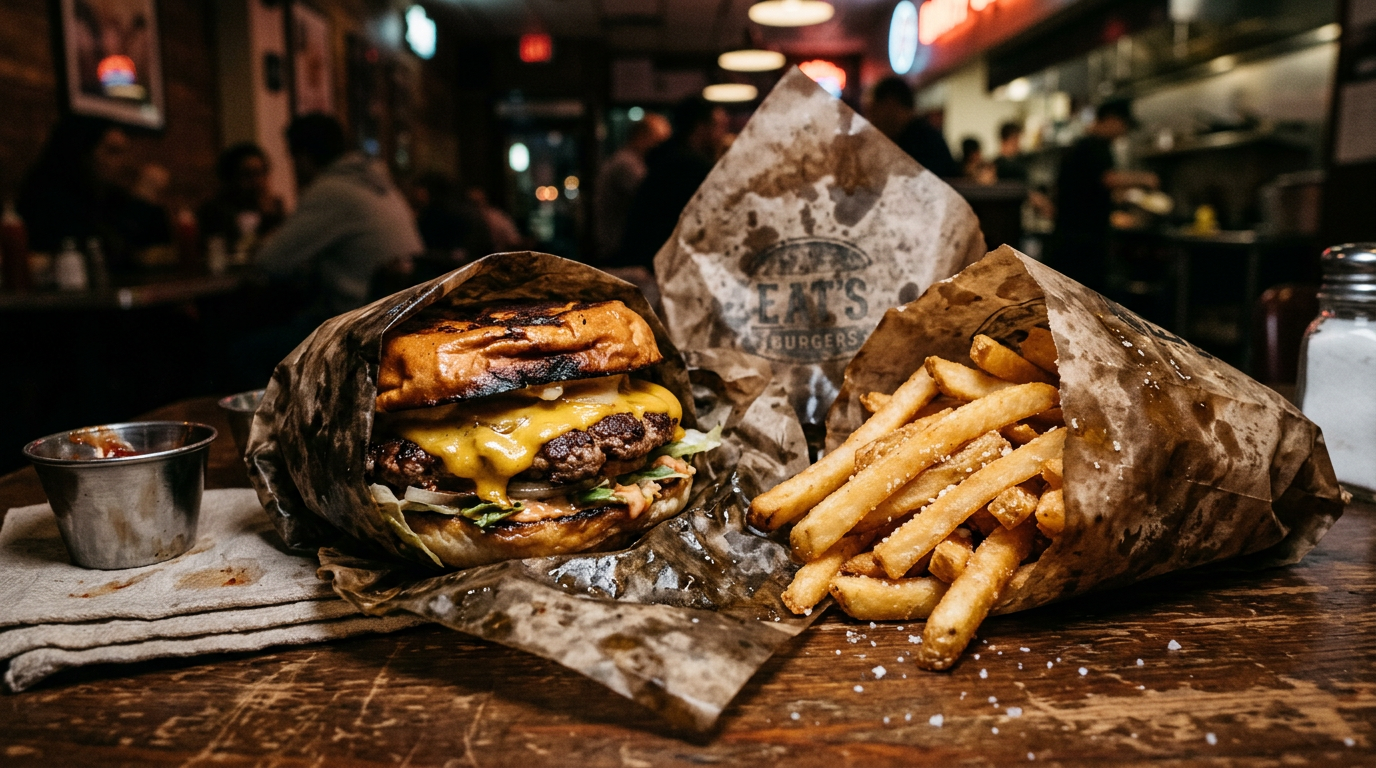
The food inside a package isn’t always the only thing worth paying attention to. In recent years, scientists and public health agencies have raised concerns about certain chemicals used in food packaging, particularly substances known as PFAS (per- and polyfluoroalkyl substances), as well as chemicals like bisphenols and some phthalates. Some of these compounds have been associated with an increased risk of cancer or other health concerns in research, although the level of risk depends on the type of chemical, the amount of exposure, and how often it occurs.
It’s important to note that the concern is generally with the packaging—not necessarily the food itself. Here are 12 types of foods that have commonly been sold in packaging that has, at times, been found to contain chemicals of concern.
Microwave Popcorn
Microwave popcorn bags were among the earliest food packages to draw attention because some grease-resistant coatings contained PFAS chemicals.
Many manufacturers have since changed their packaging, but older products helped spark widespread research into how these chemicals could migrate into food during heating.
Fast-Food French Fries
French fries are often served in grease-resistant paper sleeves or cartons designed to prevent oil from soaking through.
Historically, some of these wrappers contained PFAS coatings. Today, many restaurant chains have transitioned to PFAS-free packaging, although practices may vary by supplier and region.
Burgers And Sandwiches Wrapped In Grease-Resistant Paper
Takeout burgers, breakfast sandwiches, and deli sandwiches are frequently wrapped in treated paper that resists grease.
Some grease-resistant papers previously relied on PFAS treatments, prompting manufacturers and restaurants to seek safer alternatives.
Pizza Boxes
Pizza boxes themselves are usually made from cardboard, but grease-resistant coatings or inserts have occasionally raised concerns.
Most plain cardboard pizza boxes are considered recyclable when clean, but heavily grease-treated packaging has received increased scrutiny in recent years.
Bakery Cookies And Pastries
Cookies, donuts, muffins, and pastries are sometimes packaged in paper bags or boxes designed to resist butter and oils.
Depending on the manufacturer and packaging supplier, grease-resistant coatings have occasionally contained chemicals that later became the focus of health research.
Microwave Meal Trays
Frozen microwave meals often use plastic trays or coated paperboard designed to withstand high temperatures.
Modern packaging is subject to extensive safety regulations, but some older materials containing bisphenols or other chemicals have led manufacturers to reformulate packaging over time.
Consumers can reduce unnecessary exposure by:
- Choosing fresh foods when practical.
- Avoiding prolonged storage in damaged plastic containers.
- Transferring hot food to glass or ceramic dishes.
- Following microwave instructions on food packaging.
Candy Wrappers
Certain candy wrappers and food-contact papers have historically used coatings intended to improve moisture or grease resistance.
Although packaging materials continue to improve, manufacturers have increasingly moved away from chemicals that have drawn public health concerns.
Takeout Salad Bowls
Many disposable salad containers feature coatings that prevent dressings from soaking through the paper.
Some older versions used PFAS-based treatments, though many restaurants and suppliers have begun switching to alternative materials.
Frozen Food Packaging
Boxes for frozen foods sometimes contain coated paperboard or plastic components designed to withstand moisture and freezing temperatures.
Packaging technology continues to evolve, and many companies have introduced updated materials in response to consumer demand and changing regulations.
Ice Cream Cartons
Paper ice cream containers require moisture-resistant linings to prevent leaks and maintain structural integrity.
Historically, some coatings contained chemicals that have since been reevaluated as manufacturers develop newer food-safe materials.
Butter Wrappers
Butter wrappers are specially designed to resist grease while protecting the product from moisture and air.
Some food-contact papers have been included in broader studies examining chemical migration from packaging into food, encouraging ongoing improvements in packaging materials.
Greasy Bakery Bags
Fresh pastries, croissants, and other baked goods are often placed in grease-resistant paper bags.
As with other food-contact papers, manufacturers have increasingly adopted alternative coatings in response to growing scientific interest in PFAS and related substances.
Conclusion
Growing awareness of food packaging materials has encouraged manufacturers to develop safer alternatives while reducing the use of chemicals that have raised health concerns. For consumers, the biggest takeaway is that the issue often involves the packaging rather than the food itself. Choosing minimally packaged foods when possible, avoiding unnecessary heating in disposable packaging, and following proper food storage practices can help reduce overall exposure while maintaining a balanced diet.



Leave a Reply