

For many Baby Boomers, everyday life looked very different a few decades ago. Wages stretched further, housing costs consumed a smaller share of income, and many common purchases felt well within reach for middle-class families. While every generation has faced its own economic challenges, inflation, rising living expenses, and changing markets have made some once-affordable staples significantly harder to buy today.
Although many retirees planned carefully for their later years, the rapid increase in prices over the past several years has forced countless older Americans to rethink their budgets.
Buying A New Home
For many Boomers entering adulthood during the 1970s and 1980s, buying a first home was considered an attainable milestone. While mortgage interest rates sometimes climbed into double digits, home prices were generally much lower relative to household income than they are today.
Today’s housing market tells a different story. Home values have risen dramatically in many parts of the country, while property taxes, homeowners insurance, and maintenance costs have also increased. Even Boomers looking to downsize often discover that smaller homes carry surprisingly high price tags, making moving less financially attractive than it once was.
Family Vacations
Road trips, beach vacations, and visits to national parks were once annual traditions for many families. Gasoline, airfare, hotels, and restaurant meals were generally more affordable, allowing families to travel without spending a year’s worth of savings.
Today, travel expenses have increased across nearly every category. Airline tickets, rental cars, lodging, and attraction fees can quickly push even modest vacations beyond what many retirees feel comfortable spending.
Many Boomers now look for ways to reduce travel costs by:
- Traveling during off-peak seasons.
- Using senior discounts whenever available.
- Choosing shorter road trips instead of flying.
- Booking accommodations well in advance.
New Cars
Buying a brand-new vehicle every several years was once a realistic goal for many middle-income households. Monthly payments were typically more manageable, and sticker prices remained within reach for a larger portion of the population.
Modern vehicles come with impressive technology and safety features, but those advancements have also contributed to much higher prices. Combined with elevated insurance premiums and repair costs, replacing a vehicle has become a far larger financial commitment than many Boomers remember.
College Tuition
Many Baby Boomers were able to pay for college with part-time jobs, modest student loans, or help from their families. Tuition at public universities was substantially lower, making higher education accessible to a broader range of students.
Today, tuition, housing, books, and fees have increased dramatically. Grandparents who hope to help grandchildren with college expenses often discover that even contributing a small portion of today’s costs requires careful financial planning.
Weekly Grocery Shopping
Grocery shopping was once a predictable household expense. Families could fill a shopping cart with meat, produce, dairy products, and pantry staples without experiencing sticker shock at the checkout line.
While food prices have always fluctuated, recent inflation has made grocery bills considerably more expensive. Even retirees who carefully plan meals and use coupons often find themselves spending substantially more than they did just a few years ago.
Higher prices for eggs, beef, fresh produce, and packaged foods have forced many households to adjust shopping habits and search for additional savings.
Dining Out Regularly
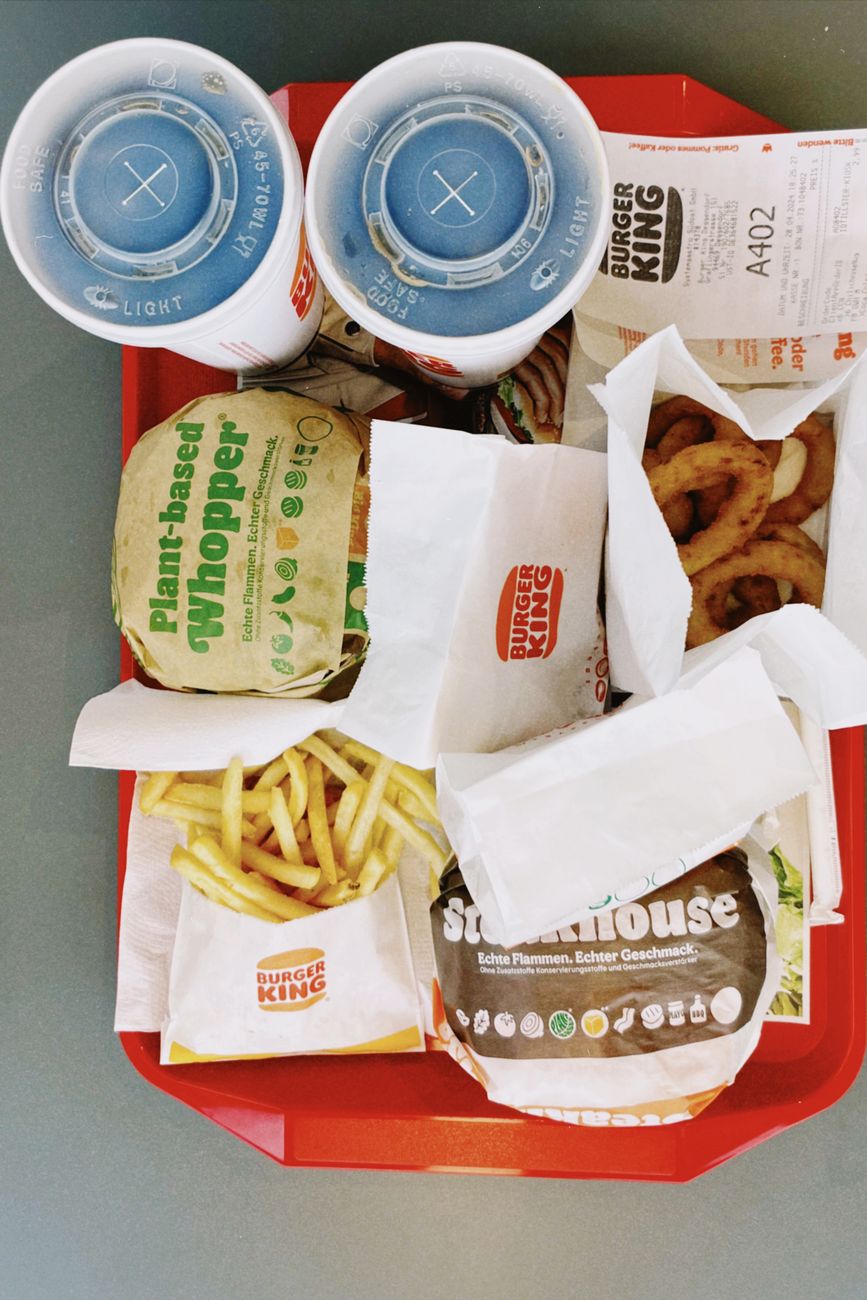
Going out for breakfast after church, enjoying dinner with friends, or treating the family to a restaurant meal used to be a routine part of many household budgets. Restaurant prices were generally affordable enough to make dining out a regular occurrence rather than a special event.
Today, menu prices have risen alongside labor costs, food costs, and operating expenses. Adding taxes and gratuities can make even casual meals surprisingly expensive, causing many Boomers to cook at home more frequently or reserve restaurant visits for special occasions.
Conclusion
Baby Boomers have witnessed tremendous economic change throughout their lifetimes. While many remember when homes, cars, groceries, vacations, college, and restaurant meals seemed comfortably affordable, today’s prices present new financial challenges. Careful budgeting, comparison shopping, and taking advantage of discounts can help stretch retirement dollars, but there’s little doubt that many everyday purchases now require much more planning than they once did. Understanding these changes also highlights just how dramatically the cost of living has evolved over the past several decades.



Leave a Reply