
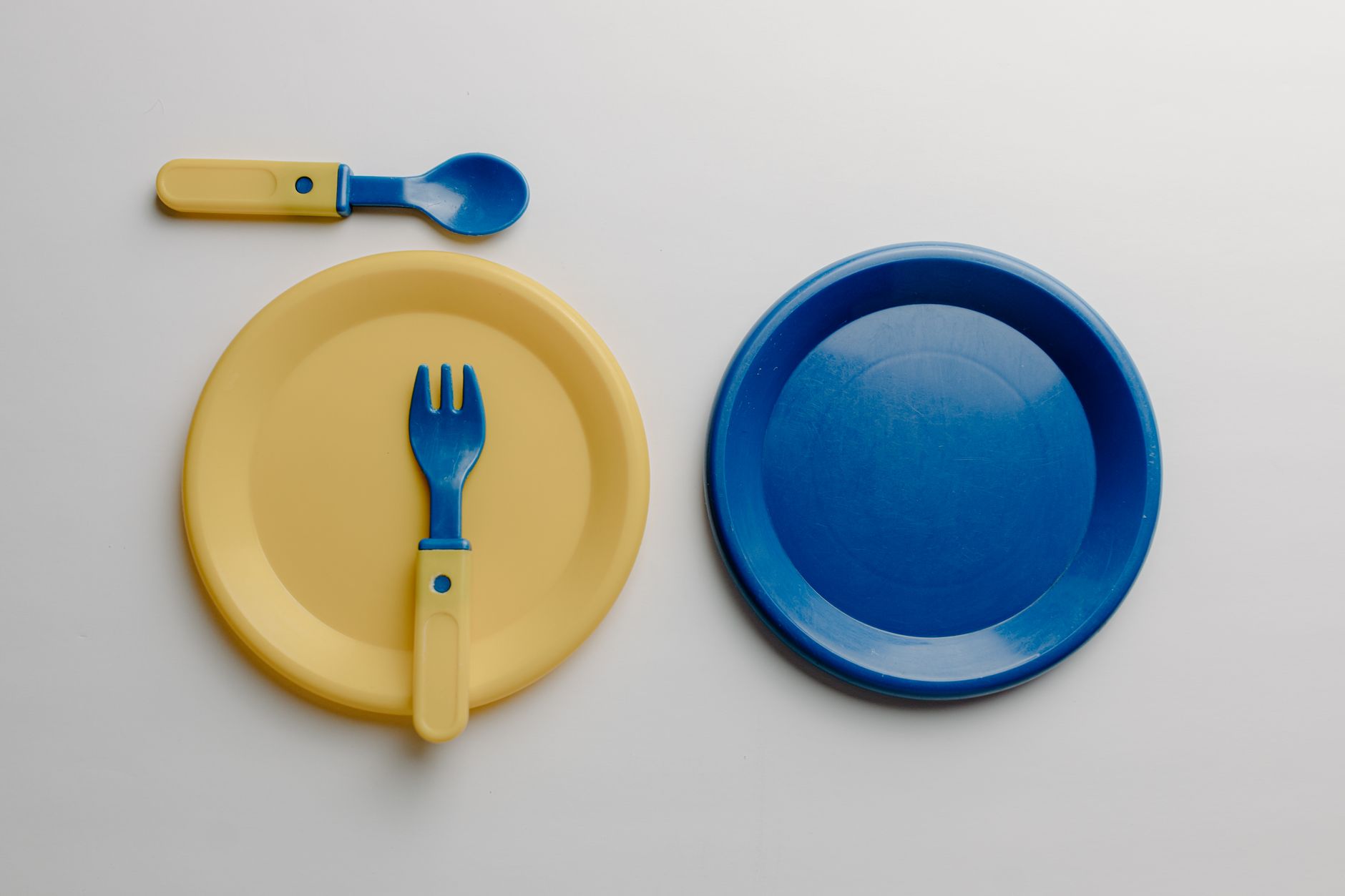
Plastic utensils are inexpensive, convenient, and found in millions of homes, lunchboxes, and restaurants. While the vast majority are safe when used as intended, some products have been recalled after defects were discovered that could pose choking, breakage, burn, or chemical exposure hazards. Product recalls are an important part of consumer safety, allowing manufacturers and regulators to remove potentially dangerous items from store shelves before more injuries occur.
Peachtree Playthings Scooby-Doo, Tweety, And Batman Fork And Spoon Sets
In 2010, Peachtree Playthings recalled approximately 127,000 children’s plastic fork and spoon sets featuring Scooby-Doo, Tweety, and Batman characters. The utensils were sold at Dollar Tree and Deals stores nationwide.
The recall was issued after reports that the middle prongs of the plastic forks could detach during use. Detached pieces presented a choking hazard for young children, prompting the company and the U.S. Consumer Product Safety Commission (CPSC) to recommend consumers immediately stop using the utensils and return them for a refund.
Herobility Eco Baby Spoons And Forks
Herobility recalled its Eco Baby Spoons and Forks, Eco Feeding Spoons, and certain feeding sets after discovering that the plastic utensils could break into small pieces during use.
Because the broken fragments could be swallowed by infants and toddlers, the recall focused on preventing choking injuries. The products had been sold through major baby retailers and online before consumers were advised to stop using them and request a remedy.
Playtex Mealtime Utensil Sets
Although the primary recall involved children’s plates and bowls, certain Playtex Mealtime sets also included plastic utensils that were removed from sale as part of the broader recall.
The concern centered on a clear plastic layer covering the printed graphics that could peel away from the dishware, creating small pieces that children could place in their mouths. Several incidents involved children finding detached plastic pieces, including reports of choking. Consumers were instructed to stop using the affected products immediately.
IKEA HEROISK And TALRIKA Children’s Tableware
IKEA voluntarily recalled its HEROISK and TALRIKA children’s bowls, plates, and mugs made from PLA plastic after discovering that the material could become brittle over time.
If the products cracked while holding hot food or beverages, they could leak suddenly and expose users to burns. Although these items were not disposable utensils, they demonstrate how plastic food-contact products can be removed from stores when safety concerns emerge. The company offered full refunds to customers who returned the recalled products.
Primark Children’s Bamboo Plates
Primark recalled several children’s bamboo dining products after testing revealed elevated levels of lead and formaldehyde. While the recall focused on plates rather than forks or spoons, the products were marketed for children’s meals and represented another example of food-contact items being pulled from store shelves.
According to the CPSC, both lead and formaldehyde can pose health risks if ingested by children. The company urged consumers to stop using the products immediately and return them for refunds.
How To Stay Safe When Buying Plastic Utensils
Most plastic utensils sold today meet established safety standards, but recalls demonstrate why consumers should remain informed. Registering products when possible and periodically checking recall notices can help identify affected items before injuries occur.
Here are a few simple safety tips:
- Inspect plastic utensils for cracks, chips, or loose pieces before use.
- Replace utensils that become brittle or damaged.
- Follow manufacturer instructions regarding dishwasher or microwave use.
- Pay attention to recall announcements issued by manufacturers and the CPSC.
- Avoid giving damaged plastic utensils to young children.
Conclusion
Plastic utensil recalls are relatively uncommon compared to the billions of disposable and reusable utensils sold each year, but they highlight the importance of product testing and ongoing safety monitoring. Whether the concern involves detachable pieces, brittle materials, or elevated chemical levels, manufacturers and regulators act to remove potentially hazardous products from the marketplace. Staying aware of recalls and replacing damaged utensils can help reduce the risk of preventable injuries in the kitchen and at the dining table.


Leave a Reply