
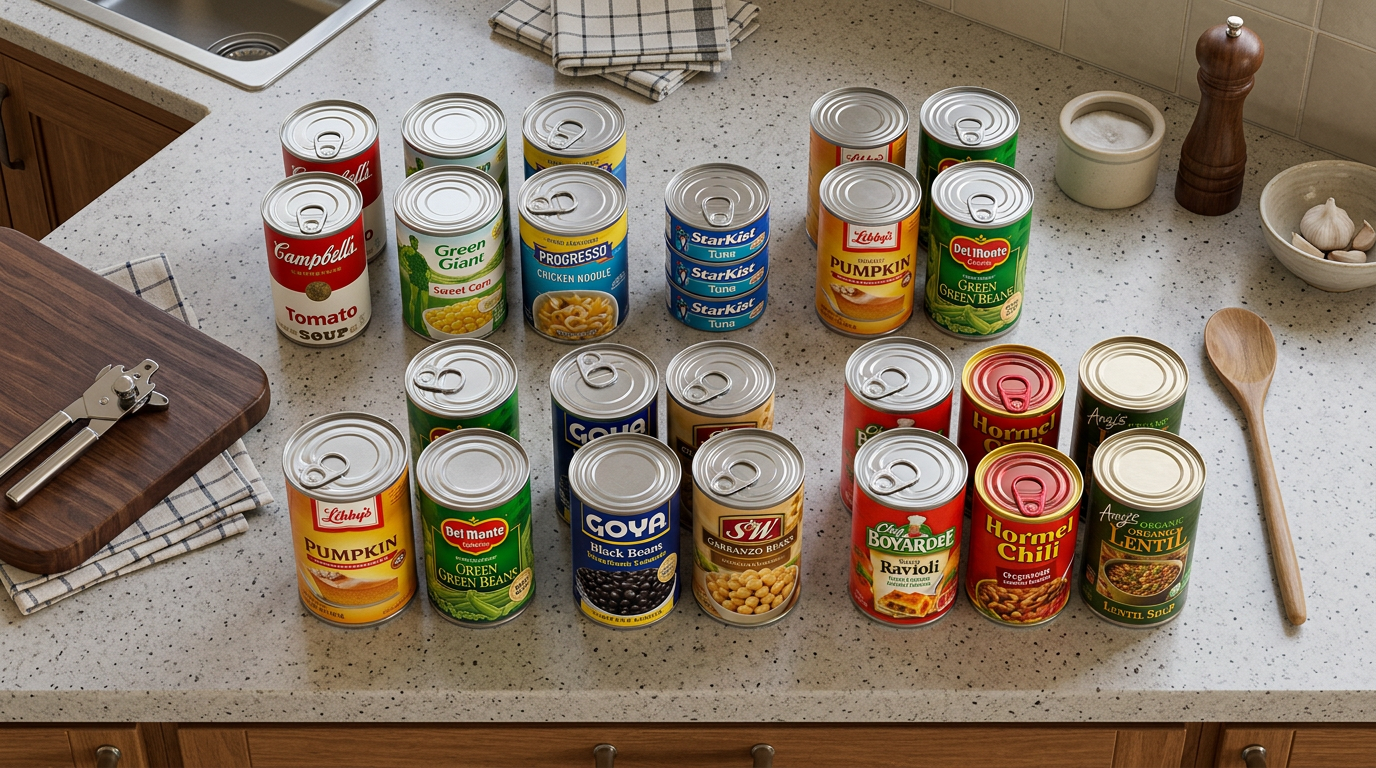
Many canned foods are convenient pantry staples, but some contain nutrients that can interfere with certain medications. These interactions don’t mean the foods are unsafe for everyone, but they can become problematic for people taking specific prescription drugs. In many cases, the issue is related to naturally occurring nutrients such as vitamin K, potassium, or sodium rather than the canning process itself. If you take long-term medications, it’s always a good idea to discuss your diet with your healthcare provider.
Canned Spinach
Canned spinach is packed with vitamins and minerals, but it is also exceptionally high in vitamin K. This nutrient plays a vital role in blood clotting, making it an important consideration for people taking blood-thinning medications such as warfarin.
Rather than avoiding spinach completely, healthcare providers usually recommend maintaining a consistent intake of vitamin K. Large fluctuations in consumption can make it more difficult to keep blood-thinning medication working properly.
Because canned spinach is cooked and condensed, a single serving often contains more vitamin K than many people realize.
Canned Grapefruit Segments
Although less common than fresh grapefruit, canned grapefruit segments retain many of the same compounds that can interfere with numerous medications. Grapefruit contains substances that inhibit an enzyme responsible for breaking down certain drugs in the digestive system.
As a result, medications may remain in the bloodstream longer than intended, potentially increasing the risk of side effects. This interaction has been documented with some cholesterol-lowering drugs, certain blood pressure medications, and several other prescription medicines.
Even small servings of grapefruit products can be enough to trigger interactions in susceptible individuals, making it important to follow medication-specific dietary instructions.
Canned Tomato Products
Canned tomato sauce, crushed tomatoes, and diced tomatoes are naturally rich in potassium. While potassium is an essential nutrient, excessive intake may be problematic for people taking medications that increase potassium levels, such as certain blood pressure medications and potassium-sparing diuretics.
Individuals with kidney disease may face an even greater risk because their bodies have more difficulty removing excess potassium from the bloodstream.
Choosing lower-potassium alternatives or monitoring portion sizes may be appropriate for people advised by their healthcare provider to limit potassium intake.
Canned Chicken Noodle Soup
Canned chicken noodle soup is a comfort food favorite, but it often contains extremely high amounts of sodium. Excess sodium can reduce the effectiveness of some blood pressure medications and contribute to fluid retention.
Many canned soups contain hundreds of milligrams of sodium in a single serving, and a full can may include two or more servings. People who don’t pay attention to serving sizes can consume far more sodium than intended.
If you’re taking medication for high blood pressure or heart failure, reading nutrition labels carefully can help reduce unnecessary sodium intake.
Important nutrients that commonly interact with medications include:
- Vitamin K
- Potassium
- Sodium
- Tyramine
- Calcium
Understanding these nutrients can help you identify foods that may require moderation while taking certain prescriptions.
Canned Sauerkraut
Canned sauerkraut is naturally fermented and contains significant amounts of tyramine. Tyramine can interact dangerously with monoamine oxidase inhibitors (MAOIs), an older class of antidepressant medications that is still prescribed in certain situations.
When combined with MAOIs, foods high in tyramine can trigger a sudden and dangerous increase in blood pressure known as a hypertensive crisis.
Although MAOI use is less common today, anyone taking these medications should carefully follow dietary guidelines provided by their healthcare provider.
Conclusion
Most canned foods are perfectly safe for the general population, but certain products contain nutrients or naturally occurring compounds that can interact with specific medications. Vitamin K-rich vegetables, grapefruit products, potassium-rich foods, high-sodium soups, and tyramine-containing fermented foods are among the most important examples.
The key is not necessarily avoiding these foods altogether but understanding how they may affect your medications. Reading nutrition labels, maintaining a consistent diet, and consulting your healthcare provider or pharmacist can help prevent potentially serious food-drug interactions while allowing you to enjoy a varied, balanced diet.




Leave a Reply