
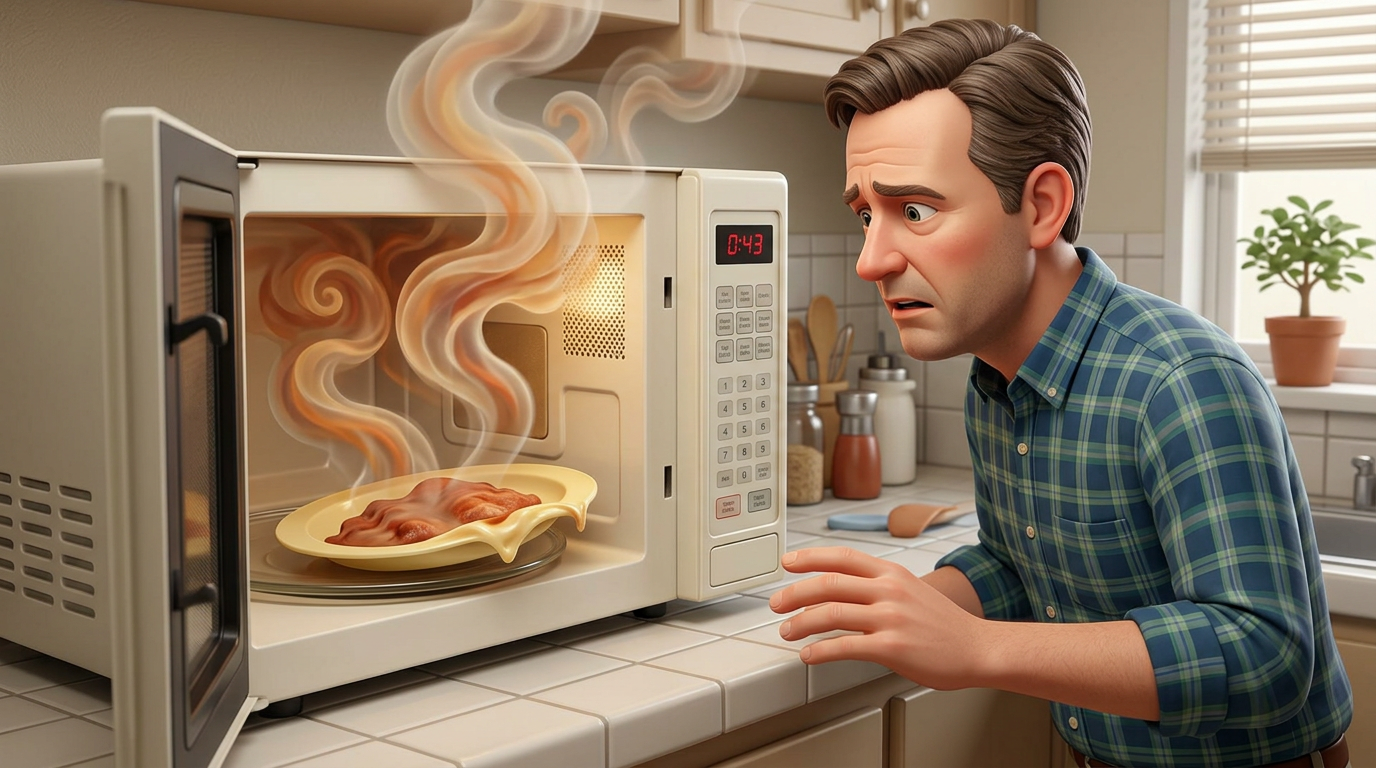
Reheating food in the microwave is one of the most common kitchen habits, but the type of dishware used can significantly affect food safety. Many everyday plastic plates and containers are not designed for high heat, and when combined with certain foods, they can increase the risk of chemical leaching, uneven heating, or bacterial survival. While microwave-safe plastics are widely available, older or low-quality plastic plates may break down when exposed to heat—especially with foods that retain oil, acid, or moisture.
Tomato Based Pasta Dishes
Tomato-based pasta dishes are highly acidic, which makes them more likely to interact with plastic when reheated. The combination of heat and acidity can increase the chance that small amounts of plastic compounds migrate into the food.
Dishes like spaghetti with marinara sauce, lasagna, and baked ziti often retain heat unevenly in the microwave. When hot spots form, they can raise the surface temperature of plastic plates beyond safe limits, especially if the plate is not labeled microwave-safe.
To reduce risk, it is better to reheat these meals in glass or ceramic containers that do not react with acidic ingredients.
Oily Fried Foods
Foods like fried chicken, french fries, and onion rings present another challenge when reheated on plastic plates. Oils heat rapidly in the microwave and can reach very high temperatures in small areas, increasing stress on plastic surfaces.
When oil becomes extremely hot, it can cause plastic to soften or warp slightly, even if the plate appears sturdy. This can lead to uneven heating and potential chemical migration into the food.
Reheating oily foods is generally safer in oven-safe glass dishes or air fryer baskets designed for high temperatures.
Curry And Spicy Saucy Dishes
Curry dishes, especially those containing coconut milk or heavy spices, can retain heat intensely and distribute it unevenly in microwaves. The combination of fat, spice oils, and moisture can create extremely hot pockets during reheating.
Plastic plates may not always be able to withstand these concentrated heat zones, especially if the dish is covered or partially sealed. Over time, repeated exposure can weaken the plastic’s structural integrity.
Examples of curry-style dishes that require caution include:
- Chicken tikka masala
- Thai green curry
- Beef stew with spices
- Coconut milk based soups
- Spicy lentil curries
These meals are best reheated in heat-resistant ceramic or glass containers.
Cheese Heavy Dishes
Cheese-based foods like macaroni and cheese, pizza, and cheesy casseroles melt into dense, high-fat mixtures when reheated. These fats can reach very high temperatures quickly in the microwave.
When cheese becomes extremely hot, it can create localized heat spikes that may damage plastic plates not designed for microwave use. This can also lead to uneven heating, leaving cold spots where bacteria may survive.
Using microwave-safe glass containers helps ensure even heating while reducing the risk of plastic breakdown.
Cream Based Soups And Stews
Cream-based soups, chowders, and stews contain both fat and liquid, which heat differently in the microwave. This can lead to uneven temperatures and sudden boiling points in small areas of the dish.
Plastic plates and shallow bowls are especially problematic because they may not distribute heat evenly. If the soup overheats in one section, it can cause splattering or stress the plastic surface.
Common cream-based dishes include clam chowder, potato soup, and chicken cream stew. These should ideally be reheated in deep ceramic bowls or stovetop-safe cookware.
When reheating food safely, keep these guidelines in mind:
- Avoid thin or scratched plastic dishes
- Use containers labeled microwave-safe
- Stir food halfway through heating
- Allow steam to escape while reheating
- Prefer glass or ceramic for high-fat meals
Following these steps can help reduce both food safety risks and potential chemical exposure.
Conclusion
Not all foods interact safely with plastic when reheated, especially those high in acid, fat, or moisture. Tomato-based dishes, oily foods, spicy curries, cheese-heavy meals, and cream-based soups all require extra caution due to their heating behavior in microwaves.
Choosing the right container is just as important as reheating technique. By switching to safer materials like glass or ceramic and heating food evenly, you can reduce potential risks and enjoy leftovers with greater peace of mind.



Leave a Reply