
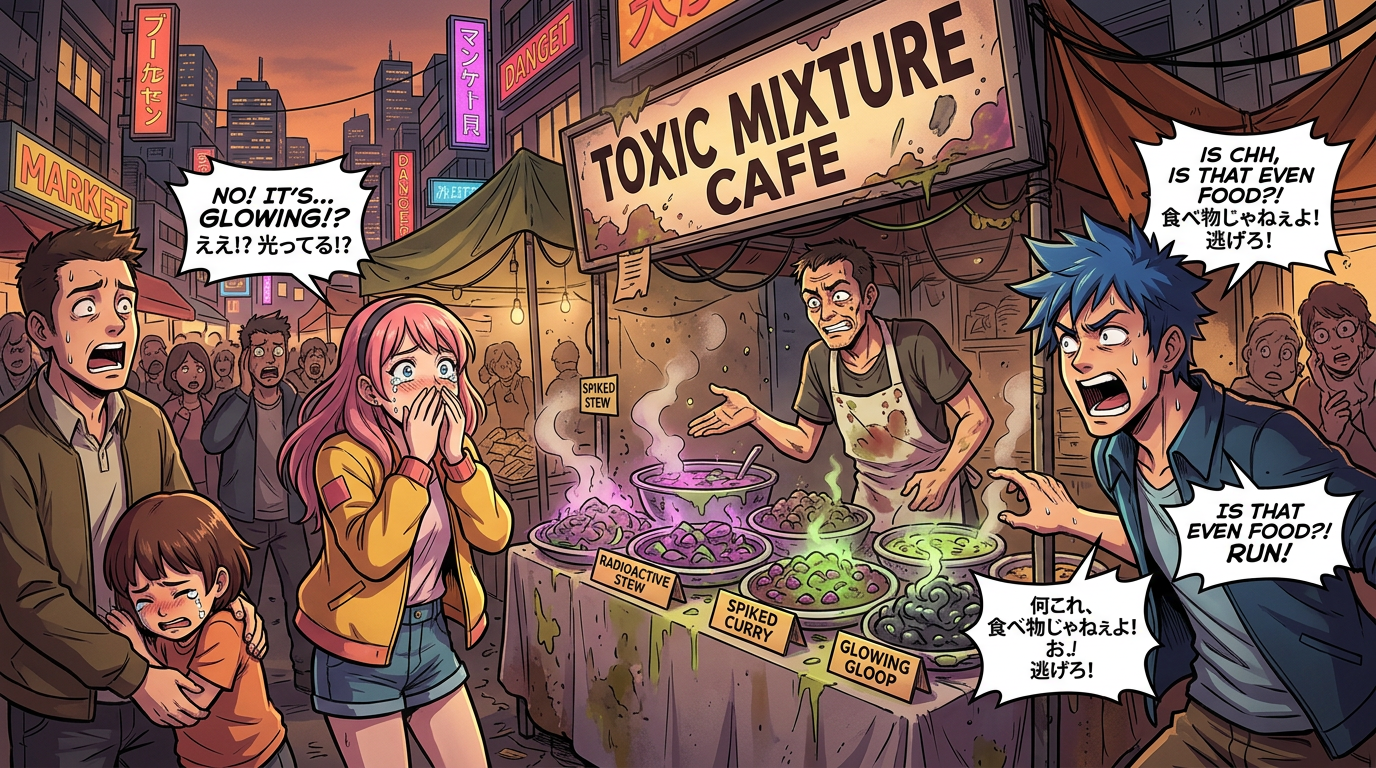
Many foods are perfectly safe on their own but can become dangerous when combined with certain ingredients, medications, or preparation methods. In some cases, these combinations can lead to food poisoning, serious allergic reactions, or even life-threatening health emergencies. Understanding which pairings pose risks can help you avoid potentially harmful situations.
Grapefruit And Certain Prescription Medications
Grapefruit is often praised for its vitamin C content and refreshing flavor, but it has a hidden danger. The fruit contains compounds that interfere with enzymes in the digestive system responsible for breaking down many medications.
When these enzymes are blocked, medications can build up in the bloodstream to dangerous levels. This can increase the risk of severe side effects, including kidney damage, irregular heart rhythms, and dangerously low blood pressure.
Drugs commonly affected include certain cholesterol medications, blood pressure treatments, anti-anxiety medications, and some immune-suppressing drugs. People taking prescription medications should always consult their healthcare provider before consuming grapefruit regularly.
Alcohol And Energy Drinks
Mixing alcohol with energy drinks has become popular in bars and nightclubs, but it creates a risky combination. Energy drinks contain caffeine and other stimulants that can mask alcohol’s depressant effects.
As a result, people may feel less intoxicated than they actually are. This false sense of alertness can encourage excessive drinking and increase the likelihood of alcohol poisoning.
Research has linked this combination to higher rates of risky behavior, accidents, and emergency room visits. While neither product is necessarily toxic alone when consumed responsibly, the combination can create dangerous consequences.
Honey And Improperly Stored Garlic
Garlic preserved in honey has become a popular home remedy and culinary ingredient. However, if prepared and stored incorrectly, this mixture can create an environment where dangerous bacteria thrive.
The primary concern is Clostridium botulinum, the bacterium responsible for botulism. Under low-oxygen conditions, the bacteria can produce a potent neurotoxin capable of causing paralysis and respiratory failure.
To reduce risk, homemade garlic-in-honey mixtures should be prepared using proper food-safety guidelines and refrigerated when appropriate.
Raw Kidney Beans And Slow Cooking
Kidney beans are nutritious and widely used in soups and chili. However, raw or undercooked kidney beans contain high levels of a natural toxin called phytohaemagglutinin.
Slow cookers can be particularly problematic because they may not reach temperatures high enough to destroy the toxin during the early stages of cooking. In some cases, improperly cooked beans may contain even higher concentrations of the toxin than raw beans.
Symptoms can include severe nausea, vomiting, and abdominal pain within hours of consumption. Experts recommend soaking beans thoroughly and boiling them vigorously before slow cooking.
Fish High In Mercury And Frequent Consumption
Fish is generally considered a healthy source of protein and omega-3 fatty acids. However, regularly combining multiple high-mercury fish varieties in the diet can result in excessive mercury exposure over time.
Species such as swordfish, king mackerel, shark, and some large tuna varieties accumulate significant amounts of mercury. Consuming these fish frequently can increase mercury levels in the body.
Potential health effects include neurological problems, developmental issues in children, and complications during pregnancy. Moderation and variety are important when selecting seafood.
Some lower-mercury alternatives include:
- Salmon
- Sardines
- Trout
- Pollock
- Herring
Moldy Food And Alcoholic Beverages
Many people assume removing visible mold from food makes it safe to eat. Unfortunately, some molds produce toxic compounds known as mycotoxins that can spread beyond the visibly affected area.
Combining mold-contaminated foods with alcoholic beverages may increase stress on the liver, the organ responsible for processing many toxins. While the degree of risk varies depending on the type of mold and amount consumed, certain mycotoxins have been linked to serious health concerns.
Foods such as bread, soft fruits, and leftovers showing significant mold growth should generally be discarded rather than salvaged. Preventing mold growth through proper storage remains the safest approach.
Conclusion
Most food combinations are harmless, but a handful can create serious health risks. Whether it’s interactions with medications, bacterial contamination, natural toxins, or excessive exposure to harmful substances, understanding these combinations can help prevent avoidable illness. Paying attention to food safety guidelines and consulting healthcare professionals when necessary can go a long way toward protecting your health.

Leave a Reply