
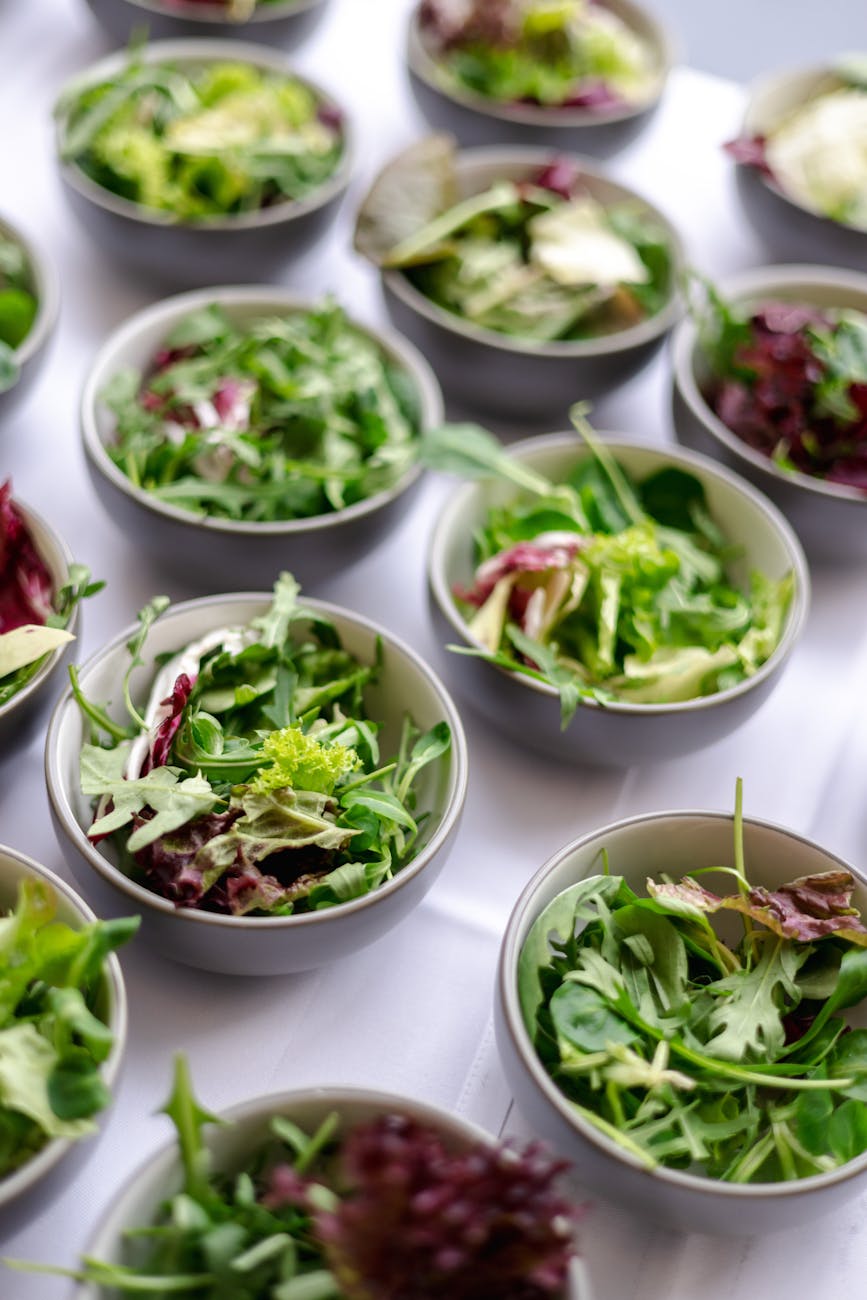
Packaged salads have become a staple for consumers seeking quick, healthy meal options. While these products offer convenience, they also present unique food safety challenges. Because many packaged salads are eaten raw, any contamination that occurs during growing, harvesting, processing, or packaging can pose a significant health risk.
Over the years, several major salad recalls have made headlines after dangerous bacteria or foreign materials were discovered. Here are five notable examples of packaged salads that were pulled from stores due to contamination concerns.
Dole Fresh Vegetables Salad Mixes
One of the most significant salad recalls in recent years involved numerous packaged salad products produced by Dole Fresh Vegetables. The recall was linked to concerns about contamination with Listeria monocytogenes at a processing facility.
The affected products were sold under multiple brand names and distributed throughout the United States and Canada. Because many consumers had already purchased the salads before the recall announcement, public health officials issued widespread warnings.
Listeria can cause serious illness, particularly among pregnant women, older adults, and individuals with weakened immune systems. The incident led to extensive investigations and temporary production disruptions at affected facilities.
Fresh Express Caesar And Garden Salad Products
Fresh Express has also faced major recalls involving packaged salads. One notable recall occurred after concerns emerged regarding possible contamination with Cyclospora, a parasite that can cause gastrointestinal illness.
Consumers who ate contaminated products reported symptoms including diarrhea, stomach cramps, nausea, and fatigue. Because Cyclospora infections may take days to appear, identifying the source can be challenging.
The recall highlighted how even fresh produce that appears healthy can become contaminated somewhere along the supply chain.
Fresh Express Salad Kits Linked To Listeria Concerns
In another high-profile incident, Fresh Express recalled multiple salad kits after state testing identified possible Listeria contamination.
The recall affected products distributed across numerous states and prompted retailers to remove affected items from store shelves immediately. Investigators worked to trace the contamination source and prevent additional illnesses.
Since salad kits often include multiple ingredients such as lettuce, cabbage, carrots, cheese, and dressings, identifying the exact contamination point can require extensive testing and coordination among suppliers.
Revolution Farms Lettuce And Salad Products
Revolution Farms issued a broad recall after routine testing detected Listeria monocytogenes in its processing environment. The company voluntarily recalled a variety of packaged greens and salad products as a precaution.
Although no illnesses were immediately reported, the company acted quickly to minimize potential risks to consumers. Food safety experts often emphasize that preventive recalls are an important part of protecting public health.
The incident demonstrated how routine environmental monitoring can identify problems before they become larger outbreaks.
Trader Joe’s Broccoli Slaw And Salad Products
Trader Joe’s has occasionally participated in recalls involving salad products supplied by third-party manufacturers. One notable case involved broccoli slaw and related salad products due to concerns about Listeria contamination.
Because retailers often source products from shared suppliers, a single contamination event can affect multiple brands simultaneously. Consumers may not realize that products carrying different labels originated from the same processing facility.
Common reasons packaged salads are recalled include:
- Listeria contamination
- Cyclospora contamination
- Salmonella contamination
- Foreign material contamination
- Processing facility sanitation concerns
These incidents remind consumers that food safety extends far beyond the grocery store shelf.
Conclusion
Packaged salads remain a convenient and nutritious option for many consumers, but contamination risks occasionally lead to large-scale recalls. Cases involving Dole, Fresh Express, Revolution Farms, and Trader Joe’s products demonstrate how bacteria and parasites can enter the food supply despite extensive safety measures. Fortunately, routine testing, regulatory oversight, and rapid recall procedures help reduce risks and protect public health. Staying informed about recall announcements and checking product information carefully can help consumers make safer food choices.



Leave a Reply