
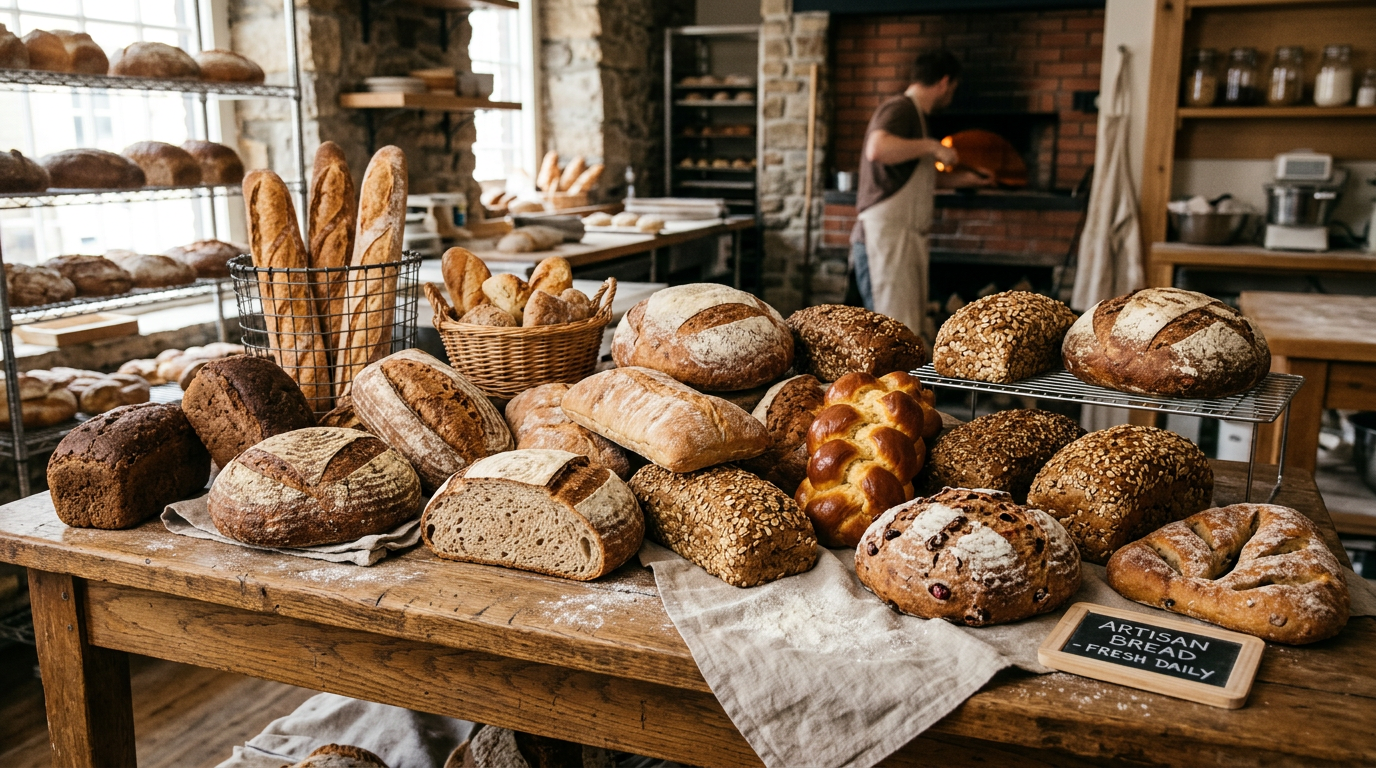
Bread is one of the most common items found in grocery carts around the world. Because it is consumed daily by millions of people, manufacturers and food safety agencies closely monitor production facilities for potential contamination issues. When problems are discovered, recalls are often issued quickly to protect consumers.
Over the years, several bread products have been pulled from store shelves due to contamination concerns ranging from foreign objects to dangerous allergens and bacteria. Here are five notable examples of tainted breads that were removed from stores.
Upper Crust Bakery Multigrain Sourdough
In 2025, Upper Crust Bakery issued a recall affecting several bread products, including its Multigrain Sourdough bread, after glass fragments were discovered on top of some loaves. Investigators traced the issue to a batch of sunflower seeds used during production.
Glass contamination presents an obvious physical hazard because consumers could suffer cuts or injuries if the fragments are not detected before eating. As a result, the affected products were removed from stores in multiple states.
The incident highlighted the importance of ingredient inspections and quality-control measures throughout the supply chain.
Upper Crust Bakery Ancient Grains Hoagie Rolls
The same recall also included Ancient Grains Hoagie Rolls sold by Upper Crust Bakery. While the rolls were distributed frozen, they were still considered potentially unsafe because they came from the same affected ingredient lot.
Food recalls involving foreign materials are taken seriously because consumers often cannot easily detect small contaminants hidden within baked goods. Even a tiny fragment can create a significant safety risk.
Fortunately, the issue was identified before widespread injuries were reported, allowing stores to remove the affected inventory quickly.
Lewis Bake Shop Artisan Style 1/2 Loaf
Not all bread recalls involve physical contamination. In 2025, Hartford Bakery voluntarily recalled certain Lewis Bake Shop Artisan Style 1/2 Loaf products because they potentially contained undeclared hazelnuts.
For most consumers, hazelnuts pose little concern. However, for individuals with nut allergies, undeclared ingredients can trigger severe or even life-threatening reactions.
The affected bread was distributed through major retailers, making the recall especially important. The situation serves as a reminder that accurate labeling is a critical component of food safety.
Fred Meyer 100% Whole Wheat Bread
Another allergen-related recall involved Fred Meyer 100% Whole Wheat Bread. The product was pulled from stores after it was discovered that milk was not properly declared on the packaging.
Milk allergies can cause serious reactions in sensitive individuals. Because consumers rely on ingredient labels when making purchasing decisions, undeclared allergens create a significant health risk.
The recall affected stores across several northwestern states and demonstrated how even small labeling errors can result in major product withdrawals.
Bread Spread Baguettes And Rolls
One of the most serious bread-related food safety incidents involved products manufactured by Bread Spread Ltd. Food safety authorities ordered a broad removal of baguettes, rolls, sandwiches, wraps, and similar products after Listeria monocytogenes was detected.
Listeria is particularly dangerous because it can cause severe illness, especially among older adults, pregnant women, newborns, and people with weakened immune systems.
Authorities also cited hygiene and traceability concerns during the investigation. As a precaution, businesses were instructed to remove affected products from sale and consumers were advised not to eat them.
Some of the most common reasons bread products are recalled include:
- Foreign material contamination
- Undeclared allergens
- Bacterial contamination
- Packaging errors
- Ingredient sourcing problems
Conclusion
While bread is generally one of the safest foods available, recalls occasionally occur when contamination or labeling problems are discovered. Cases involving glass fragments, undeclared allergens, and dangerous bacteria demonstrate how important food safety systems are in protecting consumers. By paying attention to recall notices and checking affected products promptly, shoppers can reduce their risk and help ensure the food on their tables remains safe to eat.



Leave a Reply