
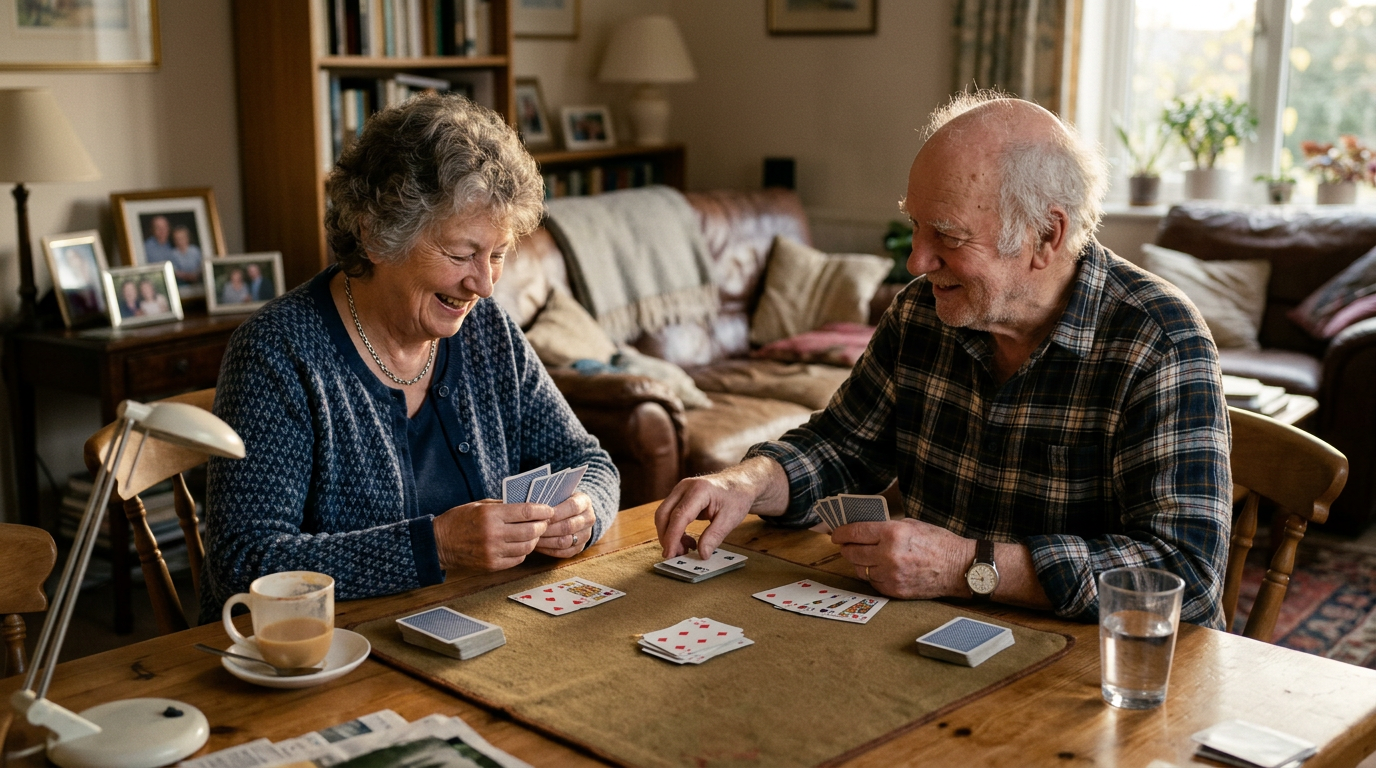
Long before smartphones, streaming services, and video games dominated leisure time, families often gathered around the kitchen table for an evening of card games. A simple deck of cards provided hours of entertainment, friendly competition, and social interaction. For many grandparents, these games were a regular part of family life, played during holidays, weekends, and neighborhood get-togethers.
While some of these classic games remain popular today, they were once nearly universal forms of entertainment. Here are six card games that generations of grandparents loved to play.
Bridge
Bridge was once considered the king of card games in many households.
The game became especially popular during the early and mid-20th century, attracting players who enjoyed strategy, communication, and careful planning. Many social clubs, community centers, and even colleges hosted regular bridge nights.
Partnerships are a key part of bridge. Players work together to bid and play their hands effectively, making teamwork just as important as individual skill. This combination of strategy and social interaction helped make bridge a favorite pastime for decades.
Even today, many seniors continue to participate in bridge clubs and tournaments around the world.
Cribbage
Cribbage has been a beloved card game for centuries and remained especially popular among grandparents throughout the 20th century.
Unlike many card games, Cribbage uses a distinctive scoring board with pegs that track points as players move around the board. This unique feature gave the game a visual appeal and made every point feel important.
Players score by creating card combinations that add up to specific values while also building runs, pairs, and other scoring patterns. The mix of strategy, arithmetic, and luck helped make Cribbage a favorite in homes, military barracks, and social clubs alike.
Many grandparents appreciated that Cribbage could be played with just two people, making it a perfect activity for couples. Long road trips, rainy afternoons, and evenings at home often included a competitive game or two around the kitchen table.
Canasta
Canasta surged in popularity during the late 1940s and remained a staple throughout the 1950s and beyond.
The game revolves around creating melds of matching cards and building large combinations known as canastas. Its relatively simple rules made it accessible to new players while still offering plenty of strategic depth.
Many grandparents remember spending long afternoons playing canasta with friends and neighbors. The game was particularly popular during social gatherings where multiple tables of players could compete simultaneously.
Its combination of luck and strategy helped it become one of the defining card games of the Baby Boomer era.
Pinochle
Pinochle has deep roots in American card-playing traditions.
The game requires players to score points through combinations of cards known as melds while also winning tricks during gameplay. This dual scoring system creates a unique challenge that many enthusiasts find rewarding.
Pinochle became especially popular in small towns and family gatherings. Many grandparents learned the game from their own parents and passed it along to future generations.
The game’s strong emphasis on memory and planning contributed to its enduring appeal.
Gin Rummy
Gin Rummy became a household favorite because it was easy to learn and quick to play.
Unlike some more complicated card games, Gin Rummy allows players to jump into a match with minimal setup. The objective is to create sets and runs while minimizing unmatched cards in your hand.
Several factors contributed to the game’s popularity:
- Simple rules
- Fast-paced gameplay
- Two-player format
- Minimal equipment needed
- Strong balance of skill and luck
Because of its accessibility, Gin Rummy often became a regular activity for couples and close friends.
Hearts
Hearts offered a different challenge from many traditional card games.
Instead of trying to score the most points, players attempted to avoid collecting certain cards. This reverse-scoring concept added a unique strategic element that made every hand feel different.
The game rewarded careful observation and timing. Skilled players often had to decide whether to play defensively or take calculated risks to improve their position.
Many grandparents enjoyed Hearts because it was easy to teach but difficult to master, creating endless opportunities for friendly competition.
Why Card Games Were So Popular
Card games thrived because they brought people together.
A single deck of cards was affordable, portable, and capable of providing countless hours of entertainment. Families gathered after dinner, friends hosted weekly game nights, and communities organized tournaments that strengthened social connections.
Before digital entertainment became widespread, card games served as one of the most accessible forms of recreation available.
They encouraged conversation, laughter, and healthy competition while helping players develop memory, concentration, and strategic thinking skills.
Conclusion
Classic card games played an important role in the social lives of previous generations. Whether it was the strategic complexity of Bridge, the excitement of Canasta, the tradition of Pinochle, the accessibility of Gin Rummy, or the clever tactics required in Hearts, these games created lasting memories around countless kitchen tables. While entertainment options have changed dramatically, these timeless card games continue to remind us of a simpler era when a deck of cards was all that was needed for a great evening.



Leave a Reply