

Night sweats can be uncomfortable and disruptive, and while they can have many causes, diet and timing of meals often play a role in sleep quality and body temperature regulation. Eating certain foods too close to bedtime can increase metabolic activity, raise body temperature, or trigger digestion processes that make it harder for the body to cool down during sleep.
For people who already experience sweating at night, adjusting evening food choices may help reduce discomfort and improve rest quality. The focus is not on strict restriction, but on avoiding foods that commonly overstimulate the body before sleep.
Spicy Foods Like Hot Wings
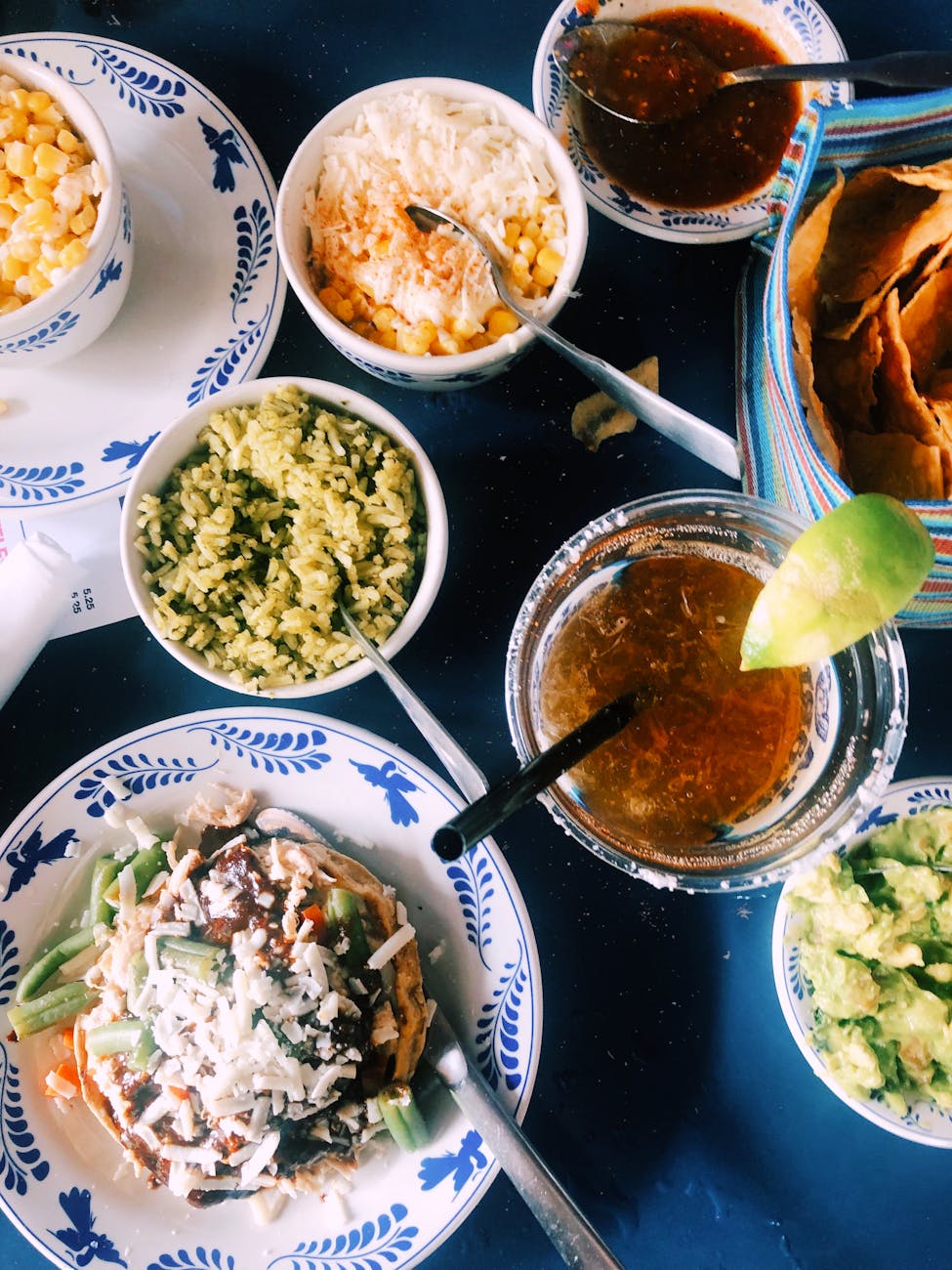
Spicy foods such as hot wings, chili-heavy dishes, or spicy tacos can raise body temperature shortly after eating. The compound capsaicin, found in chili peppers, is known to stimulate thermogenesis, which can make the body feel warmer.
When eaten close to bedtime, spicy meals may increase sweating as the body works to regulate internal temperature. This effect can be more noticeable in warm environments or for individuals who are sensitive to heat.
Even if spicy food is enjoyable earlier in the day, it is often best avoided in the final hours before sleep if night sweating is an issue.
Greasy Fast Food Burgers
Greasy foods like fast food burgers and fried sandwiches require more energy to digest, which can increase metabolic activity during sleep. This digestion process can slightly elevate body temperature, contributing to nighttime discomfort.
Heavy fats also slow gastric emptying, meaning the body continues working while it should be winding down for rest. This can lead to restlessness and increased sweating in some individuals.
A lighter evening meal may help reduce this digestive load and support more stable overnight temperature regulation.
Chocolate Desserts And Ice Cream
Chocolate-based desserts, including ice cream sundaes and brownies, contain both sugar and stimulants like theobromine and small amounts of caffeine. These compounds can affect the nervous system and make it harder for the body to fully relax.
High sugar intake before bed may also cause fluctuations in blood sugar levels, which can trigger stress responses in the body. For some people, this can indirectly contribute to sweating during sleep.
Common dessert triggers include:
- Chocolate bars and fudge desserts
- Ice cream with high sugar content
- Milk chocolate-based baked goods
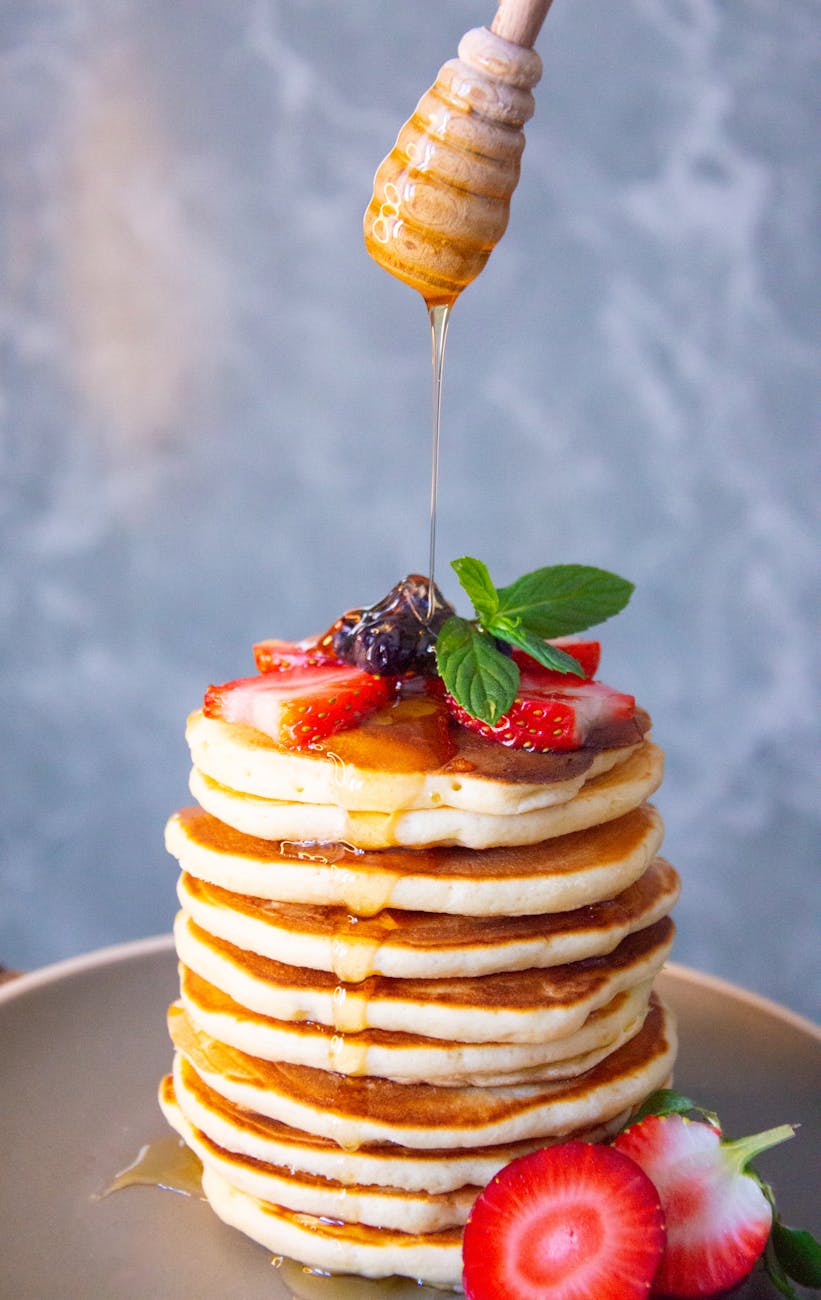
- Sugary toppings like syrups and caramel
Alcoholic Drinks Like Beer And Wine
Alcohol is commonly associated with disrupted sleep patterns and temperature regulation issues. While it may initially make someone feel drowsy, it can interfere with deeper sleep cycles later in the night.
As the body metabolizes alcohol, it can cause blood vessels to dilate, which may increase heat loss and trigger sweating. This is often why people wake up feeling overheated after drinking in the evening.
Even moderate consumption close to bedtime can contribute to less restful sleep and increased nighttime perspiration.
Salty Processed Snacks
Salty snacks such as chips, processed meats, and packaged convenience foods can affect hydration balance in the body. High sodium intake may lead to increased thirst and subtle shifts in fluid regulation during sleep.
When the body works to balance sodium levels overnight, it can create mild stress responses that affect temperature control. This may contribute to waking up sweaty or uncomfortable.
These foods are also often calorie-dense and low in nutrients, which can further disrupt healthy sleep patterns when consumed late at night.
Large Protein-Rich Late Meals
Heavy protein meals such as steak dinners, large portions of chicken, or late-night protein bowls require significant digestive energy. While protein is an essential nutrient, consuming large amounts right before bed can increase metabolic activity.
This increased digestion effort can slightly raise core body temperature, which may contribute to sweating in sensitive individuals. Timing plays a key role, as the body prefers lighter foods in the hours leading up to sleep.
Smaller, balanced evening meals are generally better for supporting stable overnight comfort.
Better Evening Eating Habits For Cooler Sleep
Improving sleep comfort is often less about eliminating specific foods entirely and more about timing and moderation. Eating earlier in the evening allows the body more time to digest and cool down before sleep begins.
Helpful habits include:
- Finishing meals at least 2–3 hours before bed
- Choosing lighter, less processed foods at night
- Staying hydrated throughout the day
- Avoiding stimulants and heavy fats in the evening
- Keeping bedroom temperatures cool and consistent
These adjustments can help reduce nighttime overheating and support more restful sleep overall.
Conclusion
Night sweats can be influenced by a variety of factors, and evening food choices are one of them. By avoiding heavy, spicy, or stimulating foods before bed, many people may notice improved comfort and fewer sleep disruptions. Small dietary timing changes can make a meaningful difference in how the body regulates temperature overnight.

Leave a Reply