
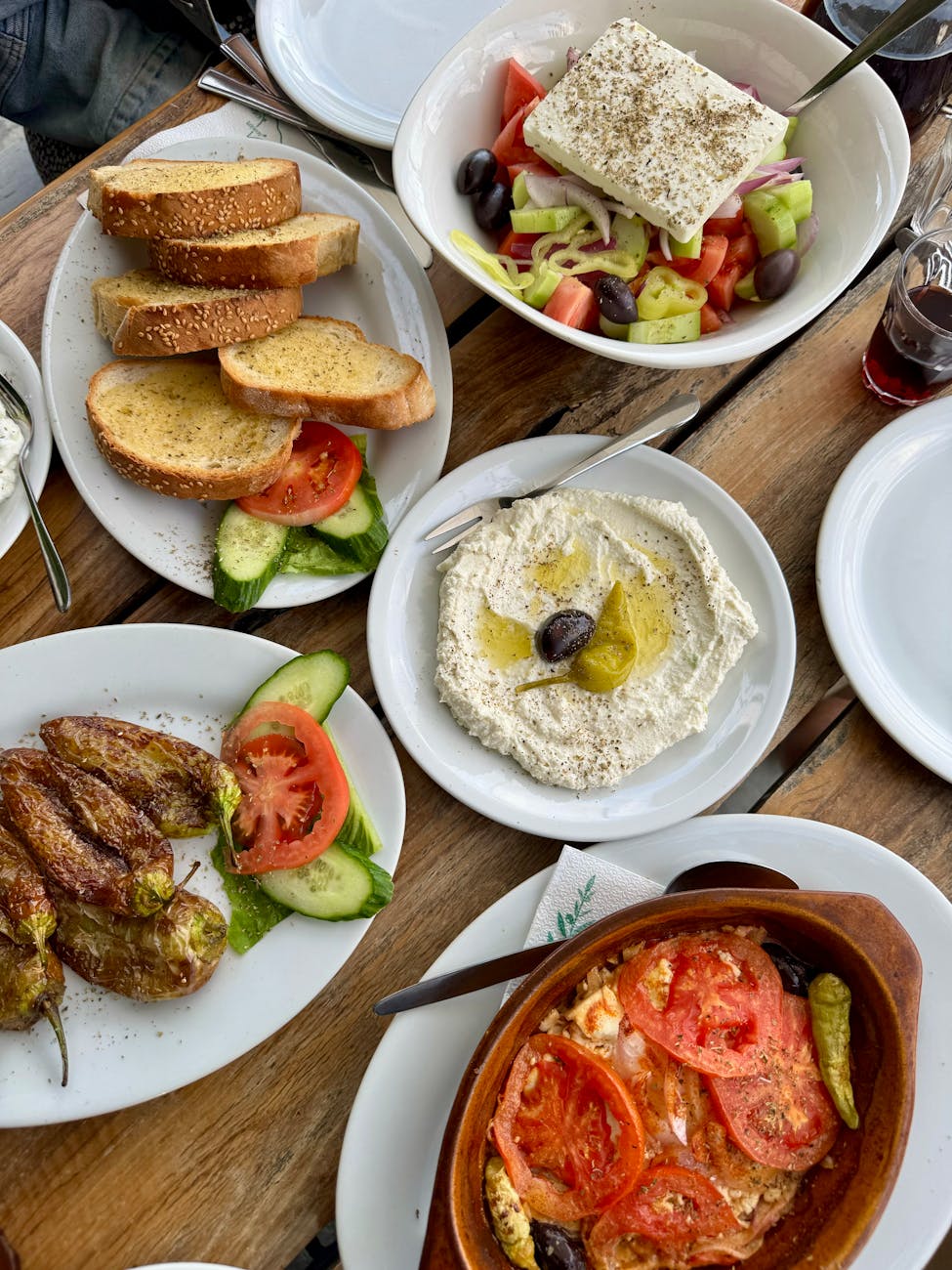
Greek cuisine is closely associated with the Mediterranean diet, one of the most widely studied dietary patterns in nutrition science. Rather than focusing on single “superfoods,” this approach emphasizes overall eating habits rich in vegetables, olive oil, legumes, fish, and minimally processed ingredients.
While no individual restaurant dish can guarantee cardiovascular outcomes, many traditional Greek menu items naturally reflect dietary patterns linked in research to better heart health markers when consumed regularly as part of a balanced lifestyle.
Grilled Salmon With Lemon And Olive Oil
Grilled salmon is a common feature on Greek restaurant menus, often served with lemon, herbs, and olive oil. Salmon is naturally rich in omega-3 fatty acids, which are widely studied for their role in supporting normal heart function and healthy cholesterol balance.
When prepared simply—grilled rather than fried—it fits well into Mediterranean-style eating patterns. Olive oil adds monounsaturated fats, which are a staple of heart-conscious diets.
This dish is typically served with vegetables or potatoes, making it a balanced option compared to heavier fried entrées.
Greek Salad With Feta And Olive Oil
A traditional Greek salad, often called horiatiki, includes tomatoes, cucumbers, onions, olives, and feta cheese, dressed with olive oil and oregano. It is one of the most recognizable examples of Mediterranean eating.
This dish is naturally high in fiber, antioxidants, and healthy fats. The vegetables provide plant-based nutrients, while olive oil contributes monounsaturated fats associated with cardiovascular health in large population studies.
Unlike many creamy restaurant salads, it avoids heavy processed dressings, making it a lighter, nutrient-dense choice.
Lentil Soup (Fakes)
Lentil soup is a staple in Greek cuisine and a frequent menu item in traditional restaurants. Lentils are a rich source of plant-based protein and soluble fiber, both of which are commonly included in heart-healthy dietary patterns.
Fiber-rich legumes like lentils are often studied for their role in supporting healthy cholesterol levels and improving overall diet quality when replacing refined carbohydrates or processed meats.
A typical bowl often includes olive oil, carrots, onions, and herbs, creating a simple but nutrient-dense meal.
Grilled Chicken Souvlaki With Vegetables
Chicken souvlaki consists of skewered and grilled chicken, often marinated in lemon, garlic, and olive oil. It is typically served with vegetables, pita, or rice.
Because it is grilled rather than fried, it is lower in added fats compared to many fast-food alternatives. The marinade often emphasizes olive oil and herbs rather than heavy sauces.
Key nutritional characteristics of this dish include:
- Lean protein from chicken
- Olive oil-based marinade
- Minimal processed ingredients
- Often paired with vegetables or whole grains
This combination reflects the balanced protein-and-plant structure commonly seen in Mediterranean-style meals.
Spanakopita With Phyllo And Spinach
Spanakopita is a savory pastry made with spinach, feta cheese, herbs, and layers of phyllo dough. While it is more indulgent than other options, it still contains nutrient-rich ingredients like leafy greens and olive oil.
Spinach provides vitamins, minerals, and plant compounds that are part of many balanced diets. In moderation, dishes like spanakopita can fit into an overall heart-conscious eating pattern when paired with lighter meals.
The key is portion size, as the pastry can be calorie-dense despite its wholesome ingredients.
Why Mediterranean Style Eating Patterns Matter
Greek cuisine is often highlighted because it reflects broader Mediterranean dietary patterns studied in nutrition research. These patterns emphasize overall lifestyle rather than individual foods.
Common characteristics include:
- High intake of vegetables, legumes, and fruits
- Use of olive oil as a primary fat source
- Moderate consumption of fish and poultry
- Limited intake of processed foods and red meat
These patterns, when followed consistently, are associated in large population studies with better cardiovascular health markers.
Conclusion
Greek restaurant menus often feature dishes that align naturally with Mediterranean-style eating patterns. While no single food guarantees health outcomes, meals rich in vegetables, legumes, olive oil, and grilled proteins can contribute to a more balanced overall diet when enjoyed regularly.




Leave a Reply