
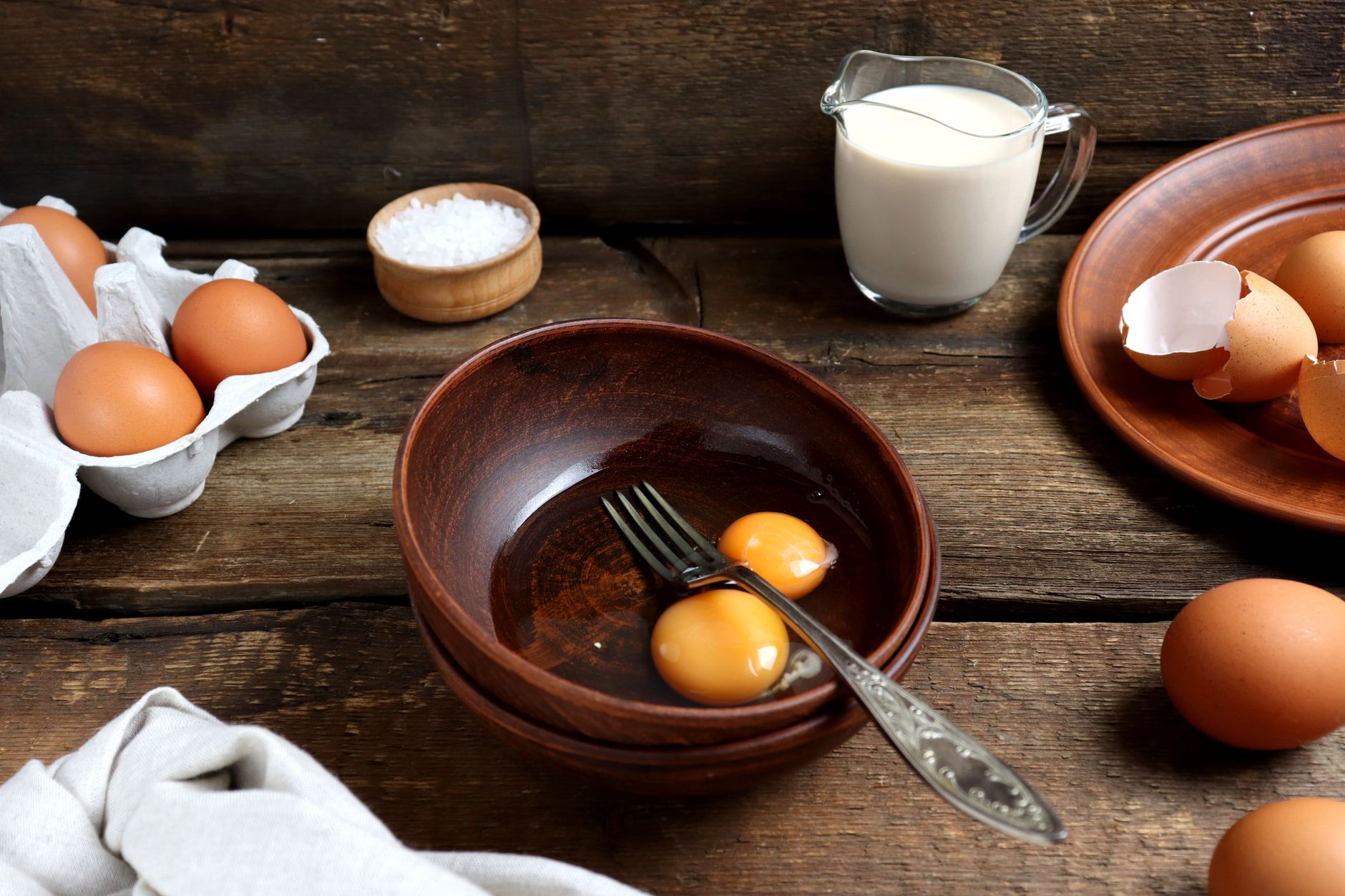
Crack open a carton of eggs, and you’ll quickly notice that not all yolks look the same. Some are pale yellow, others are bright golden, and a few can even appear deep orange. These differences often lead consumers to wonder whether darker yolks are healthier, fresher, or produced by happier hens.
The truth is that yolk color can reveal quite a bit about a hen’s diet, but it doesn’t always indicate nutritional superiority. Understanding what various yolk colors mean can help shoppers make more informed choices and appreciate the factors that influence the eggs they eat.
Pale Yellow Yolks
Pale yellow yolks are commonly found in eggs produced by hens fed a diet primarily consisting of wheat, barley, or other grains with relatively low levels of natural pigments.
These eggs are perfectly safe to eat and can still provide excellent nutrition. Many consumers mistakenly assume pale yolks indicate poor quality, but that isn’t necessarily the case.
In some countries, pale yellow yolks are actually considered normal and desirable. Consumer preferences vary widely around the world, and yolk color often reflects regional feeding practices rather than quality differences.
Bright Yellow Yolks
Bright yellow yolks are among the most common yolk colors found in grocery stores.
This shade usually indicates that hens consumed feed containing moderate amounts of natural carotenoids. Ingredients such as corn and alfalfa are often responsible for producing a richer yellow color.
Many consumers associate bright yellow yolks with freshness because they are frequently seen in commercial egg production. However, freshness and yolk color are not directly connected.
Deep Orange Yolks
Deep orange yolks often attract attention because of their vibrant appearance.
This color typically results from hens consuming diets rich in carotenoid-containing foods such as marigold petals, paprika, alfalfa, and certain grasses. Free-range hens may also develop darker yolks when they forage for insects and plants.
Many people prefer orange yolks because they look richer and more flavorful. While some studies suggest slight nutritional differences may exist, the color itself does not automatically mean the egg is dramatically healthier.
Golden Yolks From Pasture-Raised Hens
Pasture-raised hens often produce yolks that fall somewhere between rich yellow and deep orange.
Because these birds have access to outdoor environments, their diets may include a wider variety of foods than hens raised exclusively indoors. Grass, seeds, insects, and wild plants can all contribute to yolk pigmentation.
Several factors influence yolk color:
- Hen diet
- Seasonal forage availability
- Feed composition
- Access to pasture
- Use of natural pigments in feed
As a result, even eggs from the same farm may vary slightly in color throughout the year.
Dark Orange Or Red-Tinted Yolks
Occasionally, consumers encounter exceptionally dark orange or slightly red-tinted yolks.
These colors are usually linked to feeds containing very high levels of natural pigments. Certain peppers, marigold extracts, and specialized feed additives can produce particularly intense shades.
While striking in appearance, these yolks are generally no different in terms of safety. The unusual color simply reflects what the hen has been eating rather than any significant change in the egg itself.
What Yolk Color Does Not Tell You
Many myths surround egg yolks, and color is often misunderstood.
A darker yolk does not automatically mean the egg contains more protein. It also does not guarantee superior freshness, better taste, or higher food safety standards.
Freshness is better judged by factors such as packaging dates, storage conditions, and egg quality indicators. Similarly, flavor depends on numerous variables beyond yolk color alone.
Consumers should view yolk color as one clue about a hen’s diet rather than a definitive measure of an egg’s overall quality.
Conclusion
Egg yolk color is largely determined by what hens eat. Pale yellow yolks often come from grain-based diets, while brighter yellow, golden, and orange yolks usually result from feeds rich in carotenoids or access to natural forage. Although darker yolks may look more appealing to some consumers, color alone does not determine freshness, safety, or nutritional value. Understanding these differences can help shoppers appreciate the fascinating relationship between a hen’s diet and the eggs that eventually reach the breakfast table.


Leave a Reply