
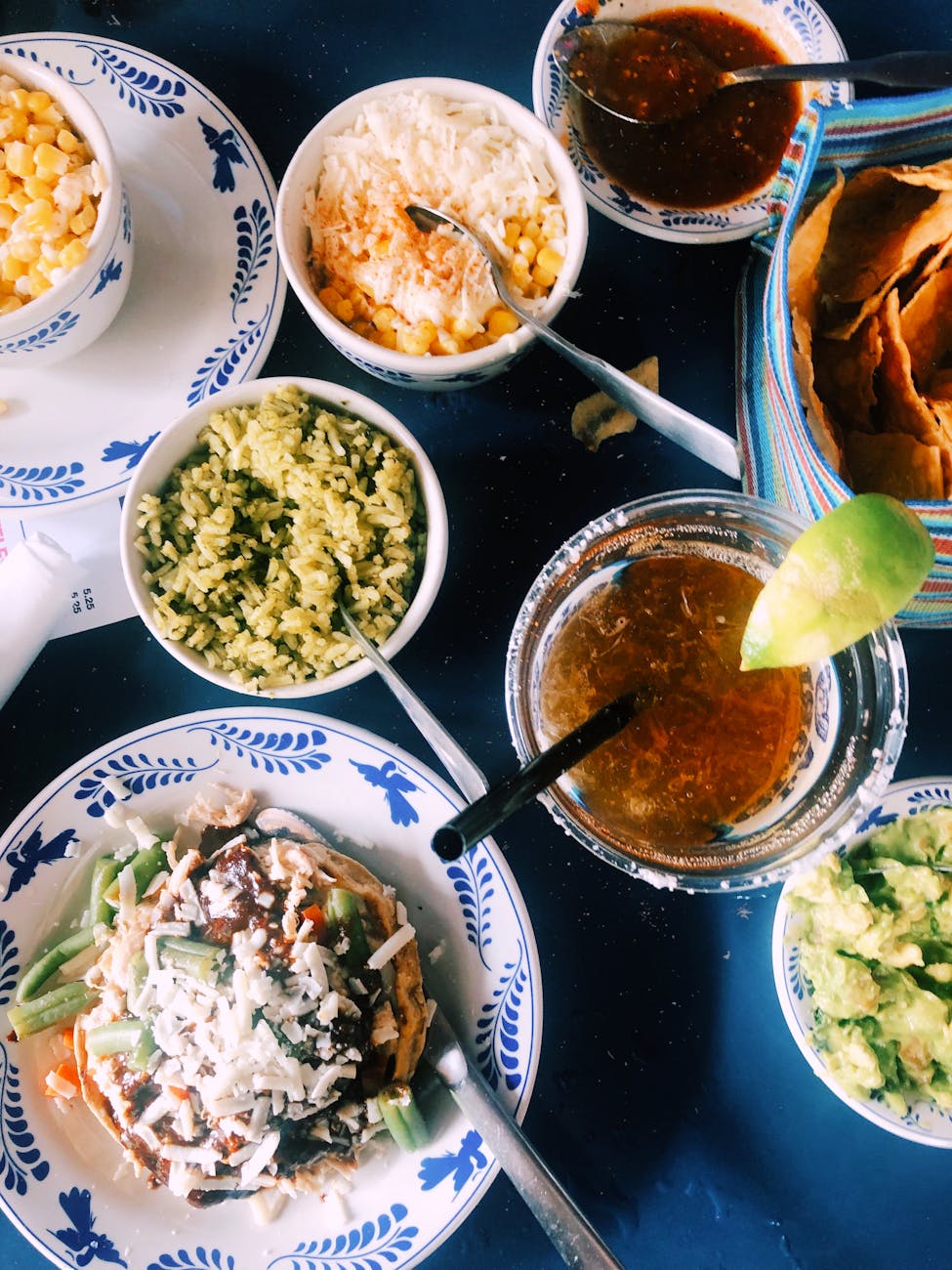
Many beloved Mexican restaurant dishes are rich, flavorful, and deeply satisfying, but some menu staples can also be high in dietary factors that researchers associate with increased colorectal cancer risk when consumed frequently over time. These include processed meats, charred cooking methods, high saturated fat, and low fiber intake.
Carne Asada Plates With Processed Add-Ons
Carne asada plates are a classic Mexican restaurant staple featuring grilled beef, often served with rice, beans, tortillas, and toppings. While grilled beef itself is not inherently harmful, frequent consumption of red meat has been studied in relation to colorectal cancer risk when eaten in high amounts over time.
The risk factors often come from portion size, cooking temperature, and accompanying ingredients like processed cheeses or fatty sides. High-heat grilling can also produce compounds such as heterocyclic amines, which are studied in food science for their long-term effects.
These meals can become less balanced when the plate is dominated by large portions of meat and refined carbohydrates instead of fiber-rich vegetables.
Chorizo And Cheese Quesadillas
Chorizo and cheese quesadillas are widely loved for their bold flavor, but chorizo is a processed meat that contains higher levels of sodium, saturated fat, and preservatives compared to fresh proteins. Processed meats are frequently studied in relation to long-term colorectal health risk when consumed regularly.
The combination of refined flour tortillas, melted cheese, and fatty sausage can create a calorie-dense meal that is low in fiber. Low fiber intake is one of the dietary patterns associated with poorer digestive health outcomes.
While enjoyable as an occasional indulgence, frequent consumption of processed meat-based dishes is where concerns tend to arise.
Beef Enchiladas With Heavy Cheese Sauces
Beef enchiladas are often made with ground beef, cheese, and rich red or creamy sauces. In many restaurant versions, the beef used may be higher in fat content, and the sauce can contain added oils, salt, and refined ingredients.
When paired with large portions of cheese and minimal vegetables, the meal can become high in saturated fat and low in dietary fiber. Research on colon health consistently emphasizes fiber-rich foods like beans, vegetables, and whole grains as protective dietary components.
A typical restaurant plate may also include multiple enchiladas, increasing total intake of red meat and calories in one sitting.
Fried Chimichangas With Refined Oils
Chimichangas are deep-fried burritos often filled with beef, chicken, beans, and cheese. The deep-frying process increases fat content significantly, especially when restaurants reuse oils over time.
Frequent intake of deep-fried foods is associated with higher inflammation markers and less favorable digestive health patterns in some nutritional studies. When combined with refined flour tortillas and fatty fillings, the overall meal can be very energy-dense.
These dishes are often served with sour cream, guacamole, and rice, further increasing total calorie load.
Combo Platters With Refried Beans And Rice
Combo platters are common in Mexican restaurants and typically include tacos, enchiladas, rice, and refried beans. While beans themselves are a good source of fiber, restaurant versions are often prepared with added lard or oils, and the rest of the plate may include processed meats and refined grains.
The issue is not a single ingredient but the overall balance of the meal. Many combo plates are heavy on refined carbohydrates and fats while being light on fresh vegetables.
A typical platter may include:
- Fried tacos with ground beef
- Cheese-covered enchiladas
- White rice cooked with oil
- Refried beans made with added fat
Health Context And Balanced Eating
It is important to understand that dietary risk is about patterns, not individual meals. Occasional consumption of these dishes is part of normal eating habits for many people and does not independently determine health outcomes.
Research on colorectal health consistently highlights overall lifestyle factors such as fiber intake, physical activity, alcohol use, and long-term diet quality as more important than any single cuisine or dish.
Conclusion
Mexican restaurant food is rich in flavor and tradition, but some popular dishes can be high in dietary factors that researchers monitor in relation to long-term colon health. Moderation, balance, and adding more fiber-rich foods are key to maintaining a healthier overall diet.



Leave a Reply