
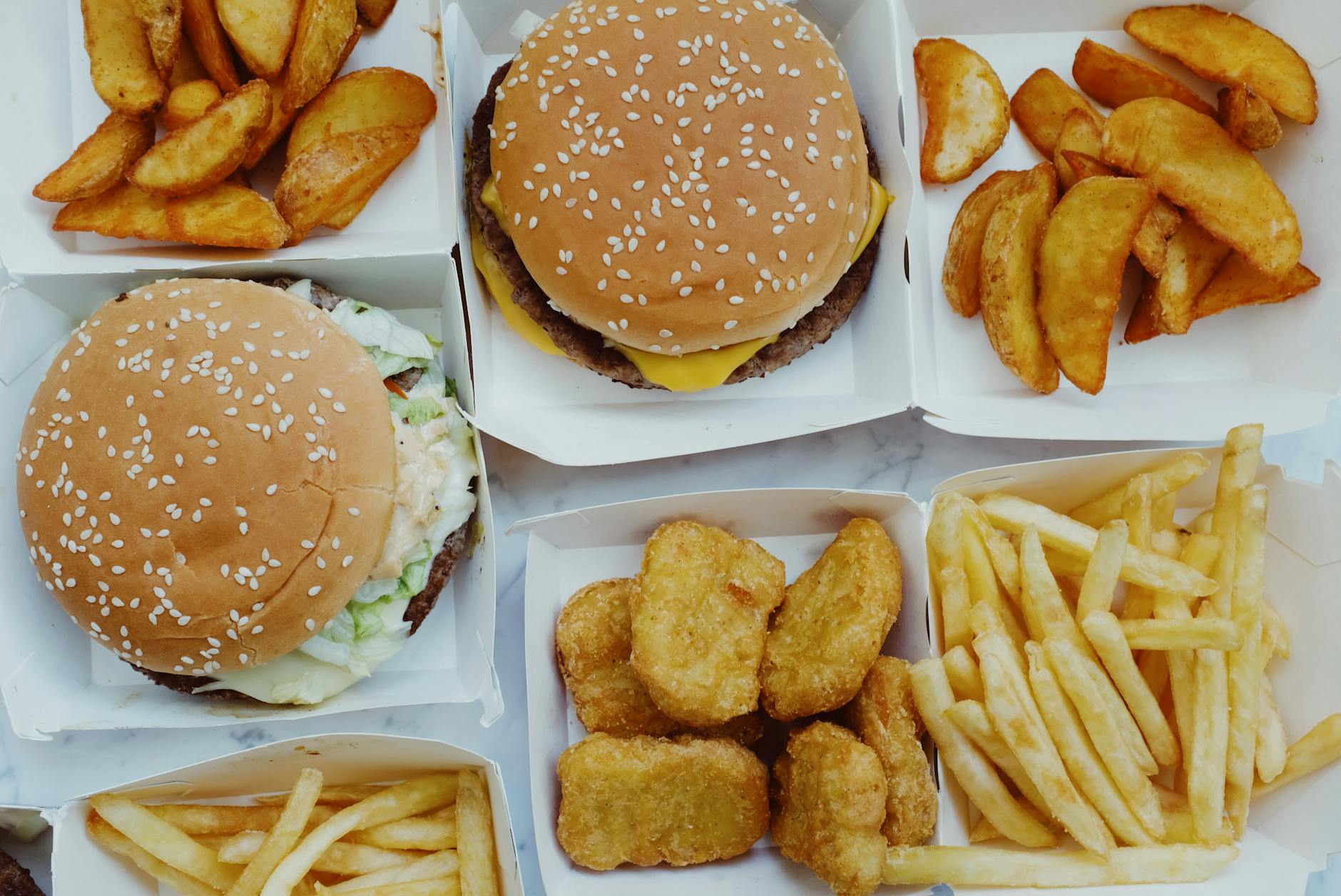
Fast food chains constantly evolve their menus based on consumer demand, ingredient trends, and regional test markets. By 2026, the industry is expected to continue shifting toward higher-protein options, globally inspired flavors, plant-based alternatives, and limited-time “premium fast casual” items.
While not all of these items are officially confirmed nationwide releases, they reflect the types of menu innovations that major chains frequently test in select markets before full rollout.
Spicy Maple Chicken Sandwich Variations
One of the most likely fast food trends heading into 2026 is the continued evolution of sweet-and-spicy chicken sandwiches. Many chains are experimenting with combinations of heat and syrup-based glazes to create bold flavor contrasts.
A typical version being tested in concept menus features a crispy chicken filet glazed with spicy maple sauce, served on a toasted brioche bun with pickles. The balance of sweet, smoky, and spicy flavors appeals to consumers looking for more complexity than traditional sandwiches.
These types of sandwiches are often tested in regional markets before expanding nationally if demand is strong.
Smash-Style Double Cheeseburger Expansions
Smash burgers have already become a major trend, and 2026 is expected to bring even more fast food chains into this space. A “smash-style double cheeseburger” concept is likely to appear more frequently on value menus and limited-time offerings.
These burgers feature thin beef patties pressed on a hot griddle to create a caramelized crust, often layered with melted cheese and tangy sauce. The texture difference compared to standard patties is a key selling point.
Fast food companies are likely to continue refining this format because it delivers strong flavor at relatively low ingredient cost.
Plant-Based Crispy Chicken Alternatives
Plant-based fast food is expected to evolve beyond basic burgers into more complex items like crispy chicken-style sandwiches and nuggets. By 2026, many chains are expected to refine texture and seasoning to better match traditional fried chicken.
These products typically use pea protein or soy-based blends, designed to replicate the crunch and juiciness of fried chicken. They are often paired with spicy sauces or pickles to enhance flavor.
Key expected features include:
- Improved meat-like texture
- Crispier breading systems
- Lower environmental impact messaging
- Expanded availability in combo meals
This category continues to grow as consumer demand for non-meat options increases.
Global-Inspired Loaded Fries
Loaded fries inspired by international flavors are becoming a major fast food innovation category. By 2026, more chains are expected to experiment with toppings influenced by Korean, Mexican, Mediterranean, and Middle Eastern cuisines.
A typical concept might include fries topped with spicy gochujang sauce, shredded beef, pickled vegetables, and creamy drizzle sauces. Another version may include shawarma-style chicken, garlic sauce, and herbs.
These items are popular because they allow chains to reuse a core ingredient—fries—while creating entirely new flavor profiles.
High-Protein Breakfast Wraps And Bowls
Breakfast innovation is expected to focus heavily on protein-forward meals designed for convenience and satiety. Fast food chains are likely to expand breakfast wraps and bowls featuring eggs, meats, cheeses, and plant-based protein alternatives.
These items are designed for consumers seeking portable, higher-protein morning options that go beyond traditional biscuits and pastries.
Common 2026-style breakfast concepts include:
- Egg and turkey sausage protein wraps
- Breakfast burrito bowls with hash browns
- Egg white and veggie high-protein wraps
- Spicy breakfast chicken wraps with hot sauce
These offerings reflect growing demand for functional, energy-focused fast food.
Why Fast Food Menus Keep Changing
Fast food innovation is driven by competition, social media trends, and shifting consumer preferences. Limited-time offerings are especially important because they allow companies to test new ideas without full national commitment.
Key drivers of menu evolution include:
- Demand for bolder and spicier flavors
- Increased interest in protein-heavy meals
- Growth of plant-based alternatives
- Influence of global street food trends
Conclusion
Fast food in 2026 is expected to continue evolving toward more customizable, globally inspired, and protein-rich menu options. While specific items vary by chain and region, the overall direction is clear: more flavor variety, more experimentation, and more hybrid fast-casual concepts.



Leave a Reply