
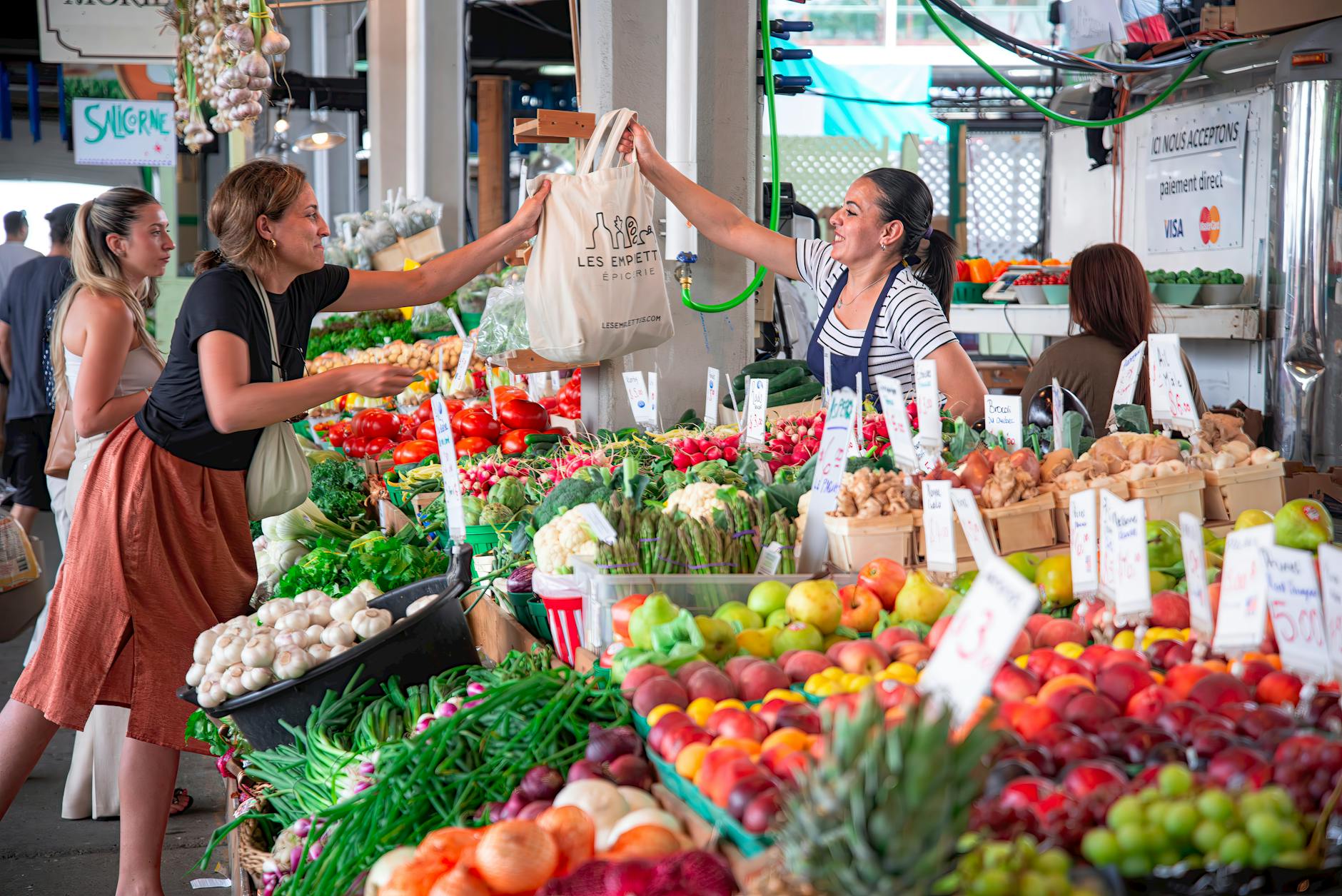
Farmer’s markets are often associated with freshness, local agriculture, and better flavor than standard grocery stores. In many cases, that reputation is well deserved. However, not every vegetable sold at a farmer’s market is automatically superior to supermarket produce.
Some vegetables spoil extremely quickly, attract insects easily, or may not justify the significantly higher prices often charged at specialty markets. In other situations, certain vendors simply resell wholesale produce that is nearly identical to what shoppers could buy cheaper elsewhere.
Pre-Cut Lettuce Spoils Too Quickly
Lettuce is one of the riskiest vegetables to buy pre-cut at farmer’s markets.
Once lettuce is chopped or bagged, moisture buildup accelerates spoilage dramatically. Warm outdoor market conditions can also cause leafy greens to wilt much faster than refrigerated grocery-store versions.
Unless the lettuce was harvested extremely recently and stored properly, shoppers may end up with slimy greens within a day or two.
Whole heads of lettuce generally hold up much better than pre-packaged market mixes sitting in warm display bins.
Corn Is Often Better Fresh From Large Farms
Corn loses sweetness quickly after harvesting because natural sugars rapidly convert into starch.
Many consumers assume farmer’s market corn is automatically fresher, but that is not always true. Large regional farms supplying grocery stores often harvest and refrigerate corn extremely efficiently.
At smaller markets, corn may spend hours sitting unrefrigerated in the sun, which can noticeably reduce sweetness and tenderness before shoppers even bring it home.
Mushrooms Require Careful Storage Conditions
Mushrooms are highly sensitive to moisture and temperature fluctuations.
Farmer’s market mushrooms displayed outdoors can dry out, become slimy, or absorb excess humidity surprisingly fast. Grocery stores with controlled refrigeration sometimes preserve mushroom texture more effectively than outdoor vendor stalls.
Wild mushrooms also require significant expertise for safe identification and handling. Buyers should be cautious when purchasing unfamiliar varieties from vendors without clear sourcing information.
- Signs vegetables may not be fresh at a market:
- Wilting leaves
- Soft spots
- Excess moisture
- Sun damage
- Strong or sour odors
Sprouts Can Carry Higher Food Safety Risks
Bean sprouts and alfalfa sprouts require warm, humid growing conditions that can also encourage bacterial growth.
Because sprouts are often eaten raw, freshness and sanitation become especially important. Farmer’s markets without strong refrigeration or rapid turnover may increase spoilage concerns.
Even grocery stores handle sprouts cautiously due to their history of foodborne illness outbreaks. Consumers should inspect sprouts carefully for sliminess or unusual odors before purchasing.
Bagged Spinach Can Deteriorate Rapidly Outdoors
Spinach is another delicate leafy green that suffers heavily from heat exposure.
At outdoor markets, bagged spinach can trap moisture and warm air together, causing leaves to soften and decay rapidly. Grocery store spinach is often transported and stored under stricter refrigeration throughout the supply chain.
Many shoppers buy farmer’s market spinach expecting superior freshness, only to discover it wilts within a day after purchase.
Whole bunches with roots attached tend to survive longer than tightly sealed plastic bags sitting in outdoor temperatures.
Not Every Farmer’s Market Product Is Truly Local
One overlooked issue is that some vendors source produce from wholesale distributors rather than growing everything themselves.
That means shoppers may occasionally pay premium farmer’s market prices for vegetables nearly identical to supermarket produce. While many vendors are completely transparent and genuinely local, others rely on resale practices that consumers may not realize.
Asking vendors direct questions about harvesting schedules and farm locations can often reveal which stands truly specialize in local agriculture.
Farmer’s Markets Still Offer Many Great Products
Despite these concerns, farmer’s markets remain excellent places to buy seasonal produce, fresh herbs, tomatoes, berries, and specialty vegetables that may outperform grocery-store alternatives.
The key is understanding which vegetables tolerate outdoor handling well and which ones deteriorate rapidly in warm conditions. Shoppers who buy carefully and inspect produce closely can still find exceptional quality at local markets.
In many cases, freshness depends more on harvesting practices and storage conditions than whether the produce comes from a grocery chain or open-air market.




Leave a Reply