
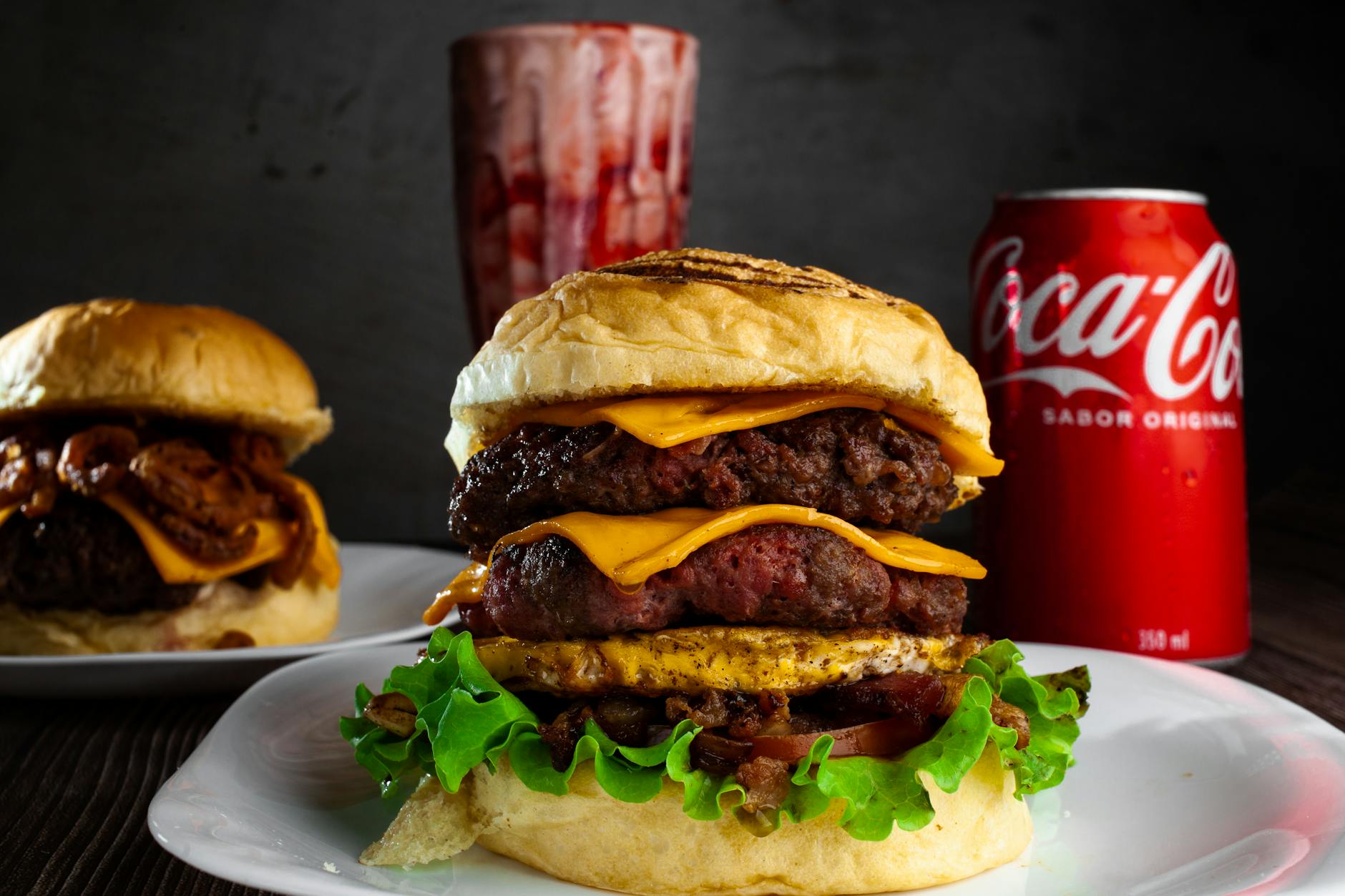
Hamburger buns may seem harmless, but some popular varieties contain ingredients that raise concerns among nutrition researchers. From refined flour to chemical preservatives and artificial coloring agents, certain buns can contribute to long-term health risks when eaten regularly.
Many ultra-processed bread products are packed with additives designed to improve shelf life, texture, and appearance. While occasional consumption is unlikely to cause major harm, making these buns a dietary staple could increase exposure to compounds linked to inflammation, obesity, and elevated cancer risk.
Potato Buns Made With Potassium Bromate
Potato buns are often marketed as soft and buttery, but several commercial versions contain potassium bromate. This flour additive has been classified as a possible human carcinogen in multiple countries, and it is banned in parts of Europe and Asia.
Some major grocery store potato buns still use bromated flour because it improves dough elasticity and texture. Repeated exposure to bromate residues may contribute to oxidative stress and cellular damage over time.
These buns also tend to contain high levels of refined carbohydrates and added sugar. Diets rich in heavily processed carbs have been associated with increased obesity rates, which is a known cancer risk factor.
Brioche Buns With Artificial Preservatives
Brioche hamburger buns are known for their rich flavor and fluffy texture, but many packaged brands rely on preservatives like calcium propionate and sorbic acid to maintain freshness for weeks.
Some laboratory research has raised concerns about how certain preservatives may disrupt gut bacteria and contribute to inflammatory responses. While regulators still consider these additives safe within approved limits, nutrition experts often recommend minimizing intake of heavily preserved foods.
Brioche buns are also frequently loaded with butter substitutes, emulsifiers, and added sugars. These ingredients can push the product further into the ultra-processed category linked to poorer long-term health outcomes.
Common warning signs on ingredient labels include:
- Enriched bleached flour
- High fructose corn syrup
- Artificial flavoring
- Dough conditioners
- Multiple preservatives
Charcoal-Colored Buns With Artificial Dyes
Black hamburger buns became trendy because of their dramatic appearance, especially at fast food chains and novelty restaurants. Some versions use activated charcoal, but others rely heavily on artificial food dyes to achieve the dark color.
Certain artificial dyes have been scrutinized for their potential health effects, particularly when consumed frequently. Although research remains ongoing, some studies suggest synthetic coloring agents may contribute to oxidative stress and inflammation in the body.
These specialty buns are often paired with highly processed burgers and sauces, creating a meal loaded with sodium, additives, and saturated fat. The cumulative effect of ultra-processed foods is one reason many researchers recommend limiting them overall.
White Sesame Seed Buns Made With Bleached Flour
Classic white sesame seed buns remain one of the most common options at burger chains. Unfortunately, many are made with heavily refined and bleached flour that lacks fiber and essential nutrients.
Bleaching agents used during flour processing can create chemical byproducts that have raised health concerns in animal studies. While the amounts in food products are regulated, nutrition professionals still encourage consumers to choose less processed whole grain alternatives whenever possible.
Low-fiber diets may also increase colorectal cancer risk because fiber helps support healthy digestion and beneficial gut bacteria. Refined white buns provide far less nutritional value compared to whole grain or sprouted options.
Shelf-Stable Buns Packed With Emulsifiers
Some hamburger buns can remain soft for weeks without refrigeration because they contain emulsifiers and stabilizers designed to preserve texture. Ingredients such as mono- and diglycerides, DATEM, and polysorbates are common in mass-produced buns.
Emerging research suggests certain emulsifiers may negatively affect the gut lining and microbiome when consumed in large quantities over time. Gut health plays a major role in immune regulation and inflammation, both of which are closely connected to cancer research.
Shelf-stable buns are also often extremely high in sodium and added sugars. When combined with processed meats and sugary condiments, they can contribute to dietary patterns associated with chronic disease.
Smarter Alternatives To Consider
Not all hamburger buns deserve concern. Some healthier options contain simpler ingredients and offer more nutritional benefits.
Look for buns that include:
- Whole grains
- Minimal preservatives
- No bromated flour
- Higher fiber content
- Short ingredient lists
Fresh bakery buns or sprouted grain options are often better choices than heavily processed packaged products. Reading labels carefully can help reduce unnecessary exposure to questionable additives.
Making small changes to everyday foods may not seem dramatic, but they can add up over time. Choosing cleaner, less processed hamburger buns is one simple step toward supporting better long-term health.



Leave a Reply