
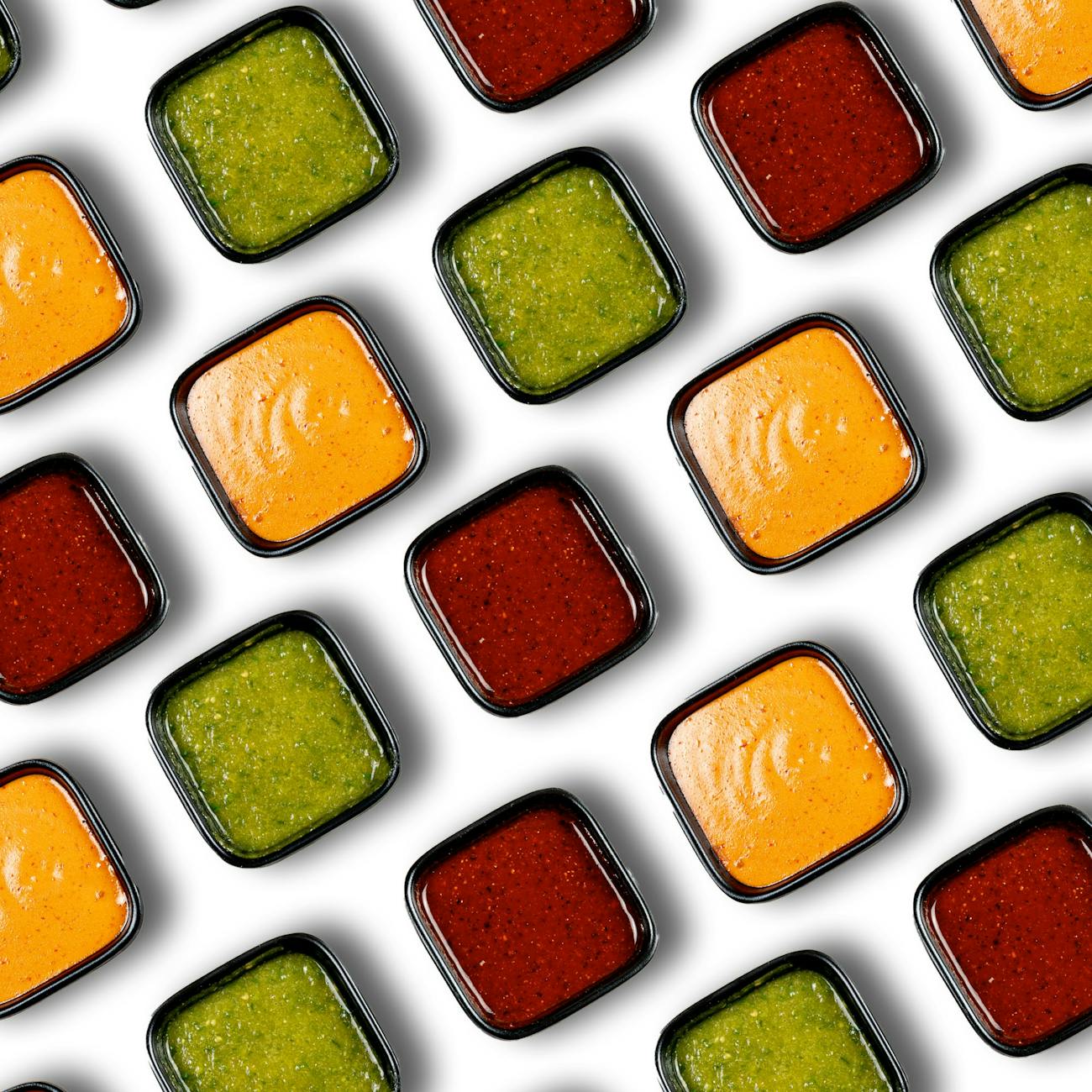
Sauces played a major role in mid-century American home cooking, especially during the Baby Boomer era when convenience foods, casseroles, and backyard grilling became cultural staples. Many of these sauces were simple, affordable, and designed to make quick meals more flavorful and satisfying.
From tangy steak sauces to creamy salad dressings and sweet barbecue glazes, these condiments defined everyday meals in the 1950s through 1970s. While some have evolved or faded in popularity, many remain nostalgic favorites still found in grocery stores today.
Heinz 57 Sauce
Heinz 57 Sauce was a household staple for Baby Boomers, often used as a quick way to enhance beef, pork, or meatloaf. Its tangy, slightly sweet flavor made it a versatile table sauce long before gourmet condiments became common.
Families appreciated how easily it could elevate simple weeknight meals. A few dashes were often enough to transform plain hamburgers or steak into something more flavorful without extra cooking effort.
Its long shelf life and bold taste made it a pantry essential in many mid-century kitchens.
A1 Steak Sauce
A1 Steak Sauce became iconic during the Baby Boomer era as the go-to condiment for beef dishes. Its sharp, savory profile with hints of vinegar, tomato, and spices gave it a distinctive taste that stood out on dinner tables across America.
It was commonly paired with steak, meatloaf, and even sandwiches. Many households treated it as a must-have for special dinners or weekend grilling.
Even today, it remains one of the most recognizable steak sauces, closely tied to nostalgic home-cooked meals.
Kraft Thousand Island Dressing
Kraft Thousand Island Dressing was widely used not just on salads but also as a sandwich spread and burger topping. Its creamy, slightly sweet profile made it appealing to both adults and children during the Baby Boomer era.
It became especially popular with the rise of diner-style food culture, where burgers and simple salads dominated menus. The dressing added richness to otherwise basic meals.
Many home cooks also used it as a shortcut ingredient in casseroles and cold pasta dishes.
Wish-Bone Italian Dressing
Wish-Bone Italian Dressing gained popularity as American households embraced more “continental” flavors in the mid-20th century. Its zesty blend of vinegar, oil, and herbs made it feel more adventurous than traditional creamy dressings.
It was commonly used on iceberg lettuce salads, marinated vegetables, and even as a meat tenderizer. The versatility helped it become a refrigerator staple.
Its bold seasoning profile reflected the growing interest in European-inspired home cooking during the Baby Boomer years.
Heinz Ketchup
Heinz Tomato Ketchup was arguably the most essential sauce of the Baby Boomer generation. It appeared on everything from hamburgers and hot dogs to meatloaf and scrambled eggs.
Its sweet-tangy balance made it appealing to children and adults alike, and it became a defining flavor of American fast and home-cooked food culture. Many families kept squeeze bottles on the dinner table at all times.
It remains one of the most iconic condiments in American history.
Kraft Barbecue Sauce
Kraft Barbecue Sauce became a backyard grilling essential during the rise of suburban cookouts in the Baby Boomer era. Its smoky-sweet profile made it easy for home cooks to replicate barbecue flavors without specialized equipment.
It was often brushed onto chicken, ribs, and burgers during summer gatherings. The sauce’s sweetness made it especially popular with families.
Its convenience helped fuel the popularity of casual grilling culture in American households.
Miracle Whip
Miracle Whip was a staple sandwich spread that many Baby Boomers grew up with instead of traditional mayonnaise. Its tangy, slightly sweet flavor made it distinctive and widely used in lunches and picnic foods.
It was commonly found in egg salad, tuna salad, and potato salad recipes. Many families preferred its lighter, zestier taste compared to mayonnaise.
Its affordability and long shelf life helped it become a refrigerator essential during the mid-20th century.
Campbell’s Gravy And Cooking Sauces
Campbell’s Gravy products, including canned gravies and cooking sauces, were widely used in Baby Boomer households as convenient meal enhancers. They simplified dinner preparation during an era when processed and semi-homemade meals were increasingly common.
These sauces were often poured over mashed potatoes, meat dishes, or casseroles. They provided quick flavor without requiring homemade stock or long cooking times.
Their convenience aligned perfectly with the rise of fast-paced suburban lifestyles.
Conclusion
The sauces of the Baby Boomer era reflect a time when convenience, flavor, and affordability shaped American home cooking. Many of these condiments became cultural icons, defining everyday meals and still appearing in kitchens today as nostalgic favorites.

Leave a Reply