
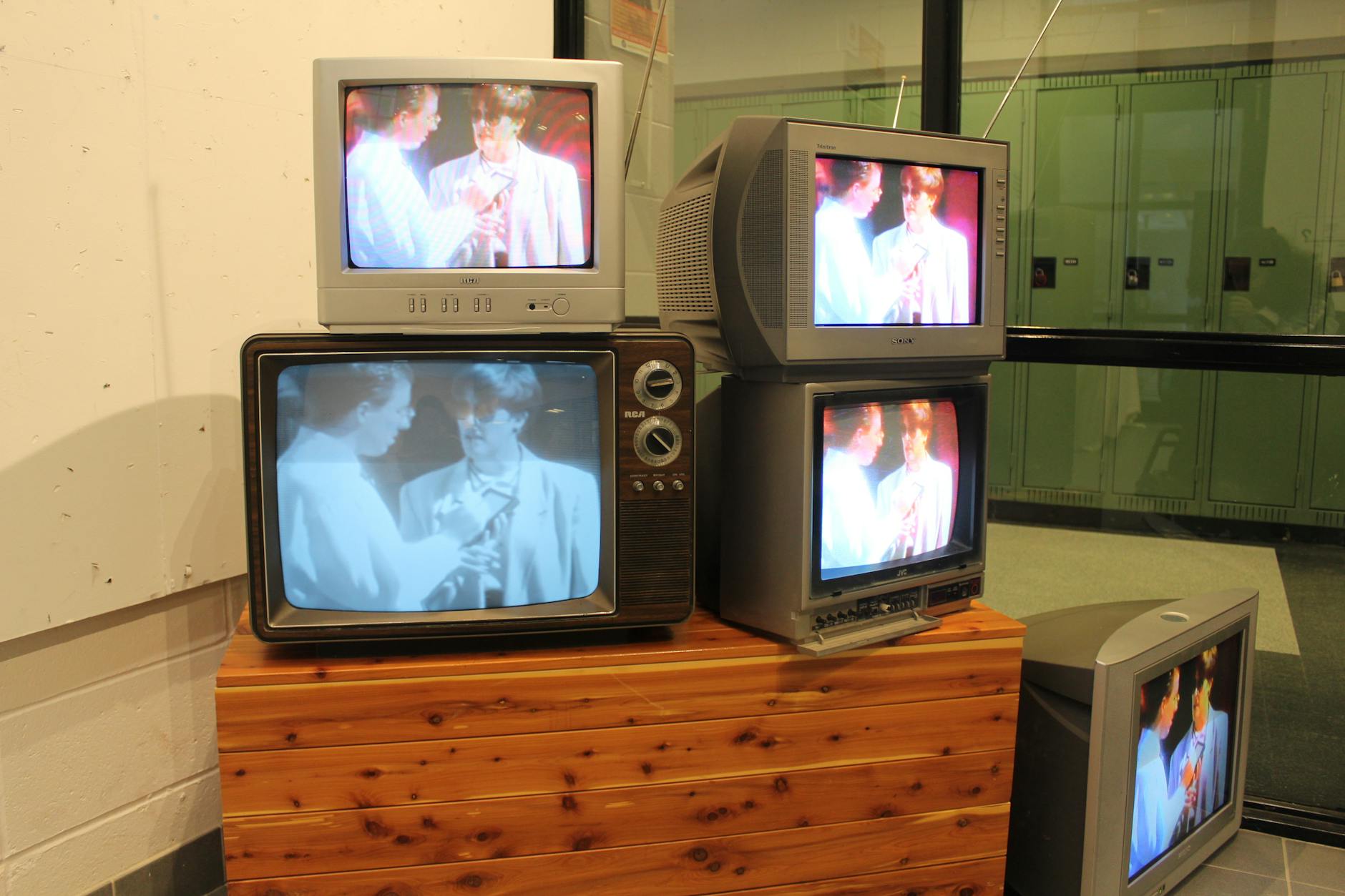
For many Baby Boomers, staying home sick from school came with one unexpected benefit: daytime television. Long before streaming services and smartphones, daytime TV provided hours of entertainment for kids stuck on the couch with soup, blankets, and a thermometer nearby.
Local stations often replayed sitcoms, westerns, game shows, and family programs throughout the day. Watching these familiar shows became a comforting ritual for an entire generation growing up during the 1950s, 1960s, and 1970s.
The Price Is Right Became A Sick-Day Staple
The Price Is Right became one of the most iconic daytime programs in television history. Hosted for decades by Bob Barker, the show was a natural fit for kids home from school because it aired during late morning hours.
Many Baby Boomers remember lying on the couch guessing prices alongside contestants while waiting for cold medicine to kick in. The bright set, enthusiastic audience, and simple games made the show easy to enjoy even when feeling miserable.
The spinning wheel and showcase showdown became especially memorable parts of daytime TV culture that generations still recognize instantly today.
Leave It To Beaver Was Constantly Replayed
Leave It to Beaver remained heavily syndicated for years after its original run ended. For Boomers home sick during the 1960s and 1970s, reruns of the Cleaver family were nearly unavoidable on local television stations.
The show’s wholesome family stories and gentle humor made it ideal daytime viewing. Episodes often focused on childhood problems, misunderstandings, and lessons that younger viewers could easily relate to.
Many sick-day memories involved watching Beaver, Wally, and Eddie Haskell while wrapped in blankets during long afternoons at home.
Gilligan’s Island Turned Boredom Into Comfort TV
Gilligan’s Island became one of the most replayed sitcoms in television syndication history. Its goofy humor and simple premise made it perfect background entertainment for kids spending the day home from school.
Boomers often remember watching the castaways repeatedly fail to escape the island despite increasingly ridiculous opportunities. The predictable formula became strangely comforting during sick days.
Characters like Gilligan, the Skipper, and the Professor became deeply familiar television companions for children recovering from colds and flu bugs.
- Common elements of classic sick-day TV:
- Easy-to-follow storylines
- Frequent daytime reruns
- Family-friendly humor
- Familiar recurring characters
- Comforting and predictable episodes
Bewitched Mixed Comedy With Fantasy
Bewitched stood out because it blended traditional sitcom storytelling with magical fantasy elements. The adventures of Samantha Stephens using witchcraft to solve everyday problems fascinated younger viewers.
For Baby Boomers home sick, the show provided escapist fun without requiring intense concentration. Samantha twitching her nose to cast spells became one of television’s most recognizable visual gags.
The series also reflected the lighter, whimsical tone that dominated many daytime reruns during the era.
The Andy Griffith Show Delivered Small-Town Comfort
The Andy Griffith Show became another daytime favorite thanks to endless reruns. The calm atmosphere of Mayberry provided a relaxing viewing experience perfect for children stuck at home.
Characters like Andy Taylor, Barney Fife, and Opie created a sense of familiarity and warmth that made the show especially comforting during sick days. The slower pace also differed from louder or more chaotic television options.
Many Boomers still associate the show’s theme song with lazy afternoons spent recovering on the living room couch.
Popeye Cartoons Filled Morning And Afternoon Schedules
Popeye cartoons remained hugely popular with Baby Boomers during childhood. Local stations frequently aired animated shorts throughout weekday mornings and afternoons.
The simple plots, slapstick fights, and spinach-powered heroics made Popeye easy entertainment for children feeling too sick to focus on schoolwork. Cartoons also helped break up long stretches of daytime adult programming.
For many Boomers, watching Popeye while eating crackers and drinking ginger ale became part of the classic home-sick experience.
Daytime Television Created Lasting Memories
Being home sick from school was never fun, but classic television helped make those long days more bearable for Baby Boomers. Familiar reruns and daytime game shows created routines that became deeply nostalgic decades later.
Before streaming and on-demand entertainment, television schedules shaped childhood experiences in a much bigger way. For many Boomers, these shows remain permanently tied to memories of blankets, soup, and weekday afternoons spent recovering at home.


Leave a Reply