
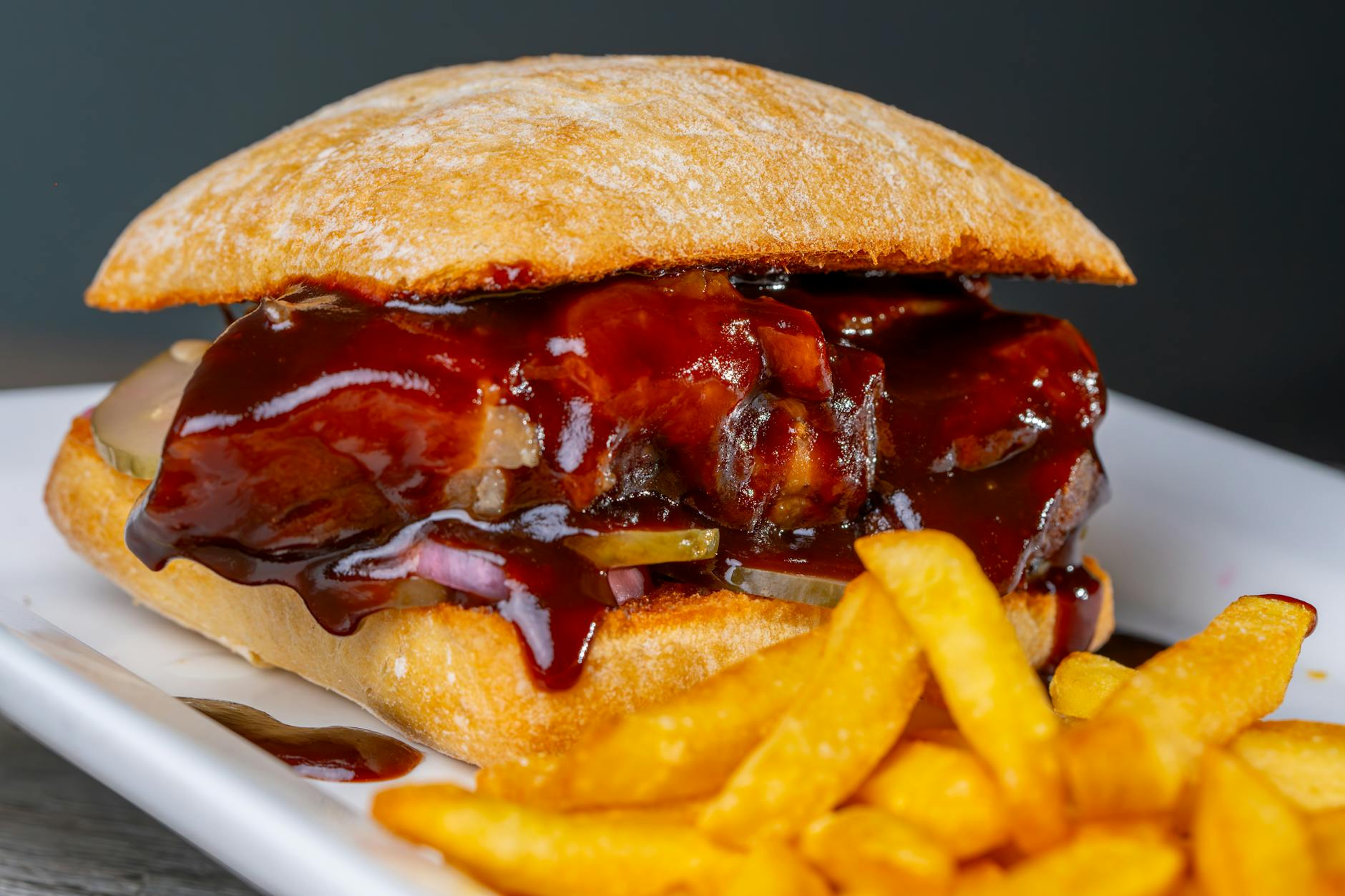
Barbecue sauce can add smoky, sweet, and tangy flavor to grilled foods, but some varieties may come with nutritional drawbacks when consumed heavily over time. Certain ingredients commonly found in highly processed sauces have been linked to increased health concerns when combined with diets high in processed meats, sugar, sodium, and charred foods.
Many experts point out that barbecue itself often involves grilled or smoked meats, which may already contain compounds formed during high-temperature cooking. Adding heavily processed sauces with excessive sugar, preservatives, or artificial additives can further contribute to an unhealthy overall diet pattern.
High-Sugar Honey BBQ Sauces Can Increase Health Risks
Honey BBQ sauce varieties are among the most popular barbecue sauces sold in grocery stores and restaurants. However, many contain extremely high amounts of added sugar, including high-fructose corn syrup and molasses blends.
Excessive sugar consumption has been associated with obesity and chronic inflammation, both of which are considered risk factors for several diseases, including colorectal cancer. Some honey-style sauces contain more sugar per serving than ketchup or soft drinks.
The sweetness can also encourage overconsumption because the sauce masks the saltiness and smokiness of heavily processed grilled meats.
Smoky Mesquite Sauces Often Contain Artificial Smoke Additives
Mesquite BBQ sauce is known for its bold smoky flavor, but many mass-produced versions rely on artificial smoke flavorings rather than natural wood smoking processes.
Some experts have raised concerns about excessive exposure to smoke-derived compounds, especially when combined with charred meats cooked at very high temperatures. While occasional consumption is unlikely to pose major danger, heavily smoked and processed foods may contribute to long-term dietary risks.
Artificial smoke flavorings can also add harsh flavor intensity that encourages pairing with fatty or heavily processed meats.
Extra-Spicy BBQ Sauces May Encourage Overeating Processed Meats
Spicy BBQ sauce often contains high sodium levels along with concentrated sugar and preservatives. Extremely spicy sauces may also encourage heavier consumption of processed smoked meats like sausage, brisket, and ribs.
Processed meats themselves have been associated with increased colorectal cancer risk when consumed frequently over long periods. The sauce alone is not necessarily the problem, but the overall meal combination matters significantly.
- Common concerns linked to heavily processed BBQ sauces:
- High added sugar levels
- Excess sodium content
- Artificial smoke flavorings
- Preservatives and additives
- Pairing with processed meats
Consumers often underestimate how quickly sodium and sugar levels rise when multiple sauces and grilled foods are combined in one meal.
Bourbon BBQ Sauces Can Be Extremely High In Sugar
Bourbon BBQ sauce is popular because of its rich caramelized flavor profile, but many bottled versions rely heavily on brown sugar, corn syrup, and concentrated sweeteners.
Some premium bourbon sauces contain surprisingly high calorie counts in relatively small servings. Repeated overconsumption of sugary condiments may contribute to metabolic problems associated with poor long-term health outcomes.
These sauces are also commonly paired with fatty smoked meats and heavily grilled foods, increasing overall dietary concerns when eaten frequently.
Carolina Gold Sauces Often Hide Sodium Levels
Carolina Gold BBQ sauce uses mustard-based flavor profiles that many consumers perceive as lighter or healthier than darker sauces. However, bottled versions can still contain substantial sodium and preservatives.
Excess sodium intake has been linked to several chronic health concerns, especially when combined with highly processed foods. Some mustard-based sauces also contain added sugars despite tasting less sweet initially.
The tangy flavor may encourage larger portion use because consumers often assume mustard-forward sauces are healthier than thick molasses-style alternatives.
Cheap Store-Brand BBQ Sauces May Contain More Additives
Store-brand BBQ sauce products are often designed for affordability and long shelf life, which can lead to heavier use of preservatives, artificial flavors, stabilizers, and lower-quality sweeteners.
Budget sauces sometimes rely more heavily on corn syrup and sodium to create bold flavor quickly. While occasional use is unlikely to create serious harm, diets built heavily around ultra-processed condiments and processed meats may contribute to broader health risks over time.
Consumers frequently focus only on the meat itself while overlooking how much sugar and sodium sauces contribute to the overall meal.
Moderation Matters More Than Any Single Sauce
No barbecue sauce automatically guarantees increased cancer risk on its own. The larger concern involves long-term dietary patterns centered around processed meats, excessive sugar, sodium, and heavily charred foods.
Choosing sauces with simpler ingredient lists, lower sugar content, and fewer additives may help reduce some concerns. Pairing barbecue meals with vegetables, leaner proteins, and balanced portions can also make a meaningful difference in overall dietary quality.




Leave a Reply