
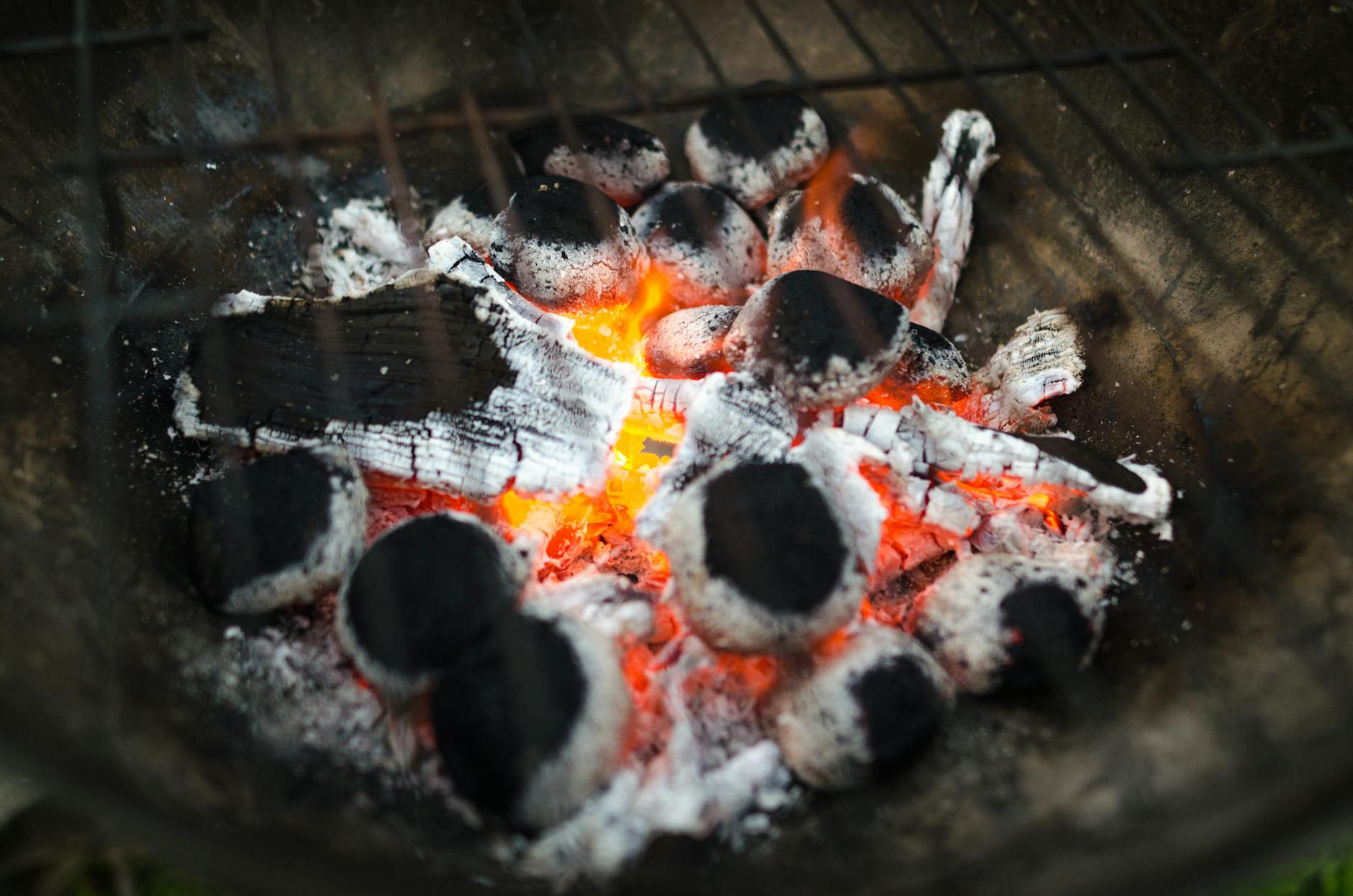
Charcoal can make or break a cookout. The right charcoal produces steady heat, clean smoke, and reliable cooking performance, while poor-quality options can create excessive ash, chemical odors, uneven temperatures, or unpleasant flavors. Many backyard grillers focus heavily on meats and marinades but overlook the importance of fuel quality.
Not all charcoal products are created equally. Some are loaded with fillers or chemical additives, while others burn too quickly or generate excessive smoke. Choosing the wrong charcoal can negatively affect both flavor and cooking consistency during a barbecue session.
Match Light Charcoal Often Produces Chemical Flavors
Kingsford Match Light Charcoal is designed for convenience because it contains built-in lighter fluid compounds that ignite quickly without separate starter fluid.
While convenient, many grill enthusiasts dislike the chemical smell and flavor these briquettes can produce, especially if food is placed on the grill too early. The fumes may linger longer than expected and interfere with the natural smoky taste people want from charcoal cooking.
These briquettes can also flare unpredictably during ignition, making temperature control more difficult for beginners.
Cheap Store-Brand Briquettes Tend To Create Excess Ash
Expert Grill Charcoal Briquets and similar low-cost store brands are often criticized for producing large amounts of ash during cooking.
Excess ash can restrict airflow inside grills, lowering heat efficiency and making it harder to maintain consistent cooking temperatures. It can also create messier cleanup after the cookout is finished.
Budget briquettes sometimes contain fillers or lower-density materials that burn faster and less evenly than premium charcoal options.
Fast-Burning Lump Charcoal Can Cause Temperature Swings
Royal Oak Classic Lump Charcoal is popular among grillers who prefer natural hardwood lump charcoal over briquettes.
However, lump charcoal can sometimes burn unevenly because the pieces vary widely in size and density. Smaller chunks may ignite rapidly while larger pieces remain partially unlit, causing inconsistent heat zones.
For inexperienced grillers, this can make it harder to control cooking temperatures during longer cookout sessions.
Charcoal With Added Accelerants Can Burn Too Hot
Cowboy Hardwood Briquets has received mixed reviews from grillers who report inconsistent burn behavior and occasional overly intense heat output.
Some accelerated-lighting formulas burn hotter at first, making it easy to scorch burgers, hot dogs, or chicken before the interior cooks fully. This can be especially frustrating during large gatherings where timing matters.
Rapid ignition products may save time initially but can reduce overall cooking control once food hits the grill.
Low-Quality Imported Lump Charcoal May Contain Debris
Frontier Lump Charcoal has occasionally been criticized by consumers for inconsistent piece quality and debris mixed into bags.
Some grillers report finding excessive dust, tiny unusable fragments, or partially carbonized wood pieces that do not burn efficiently. These inconsistencies can make temperature management more difficult throughout a cookout.
Poor sorting and packaging standards can also reduce the overall value of the charcoal despite lower upfront prices.
Briquettes With Excess Fillers Can Reduce Flavor Quality
Instant Light Charcoal Briquettes often contain binders, fillers, and ignition compounds designed for convenience rather than flavor purity.
These additives may create more smoke and residue compared to natural hardwood charcoal. While the food is generally safe to eat when cooked properly, many barbecue enthusiasts believe filler-heavy briquettes negatively affect flavor.
Natural hardwood options tend to produce cleaner smoke profiles and more authentic barbecue taste.
Better Fuel Usually Means Better Grilling Results
Choosing quality charcoal is one of the simplest ways to improve backyard grilling. Clean-burning fuel helps maintain stable temperatures, enhances smoky flavor, and reduces frustration during long cookouts.
While convenience-focused charcoal products may appeal to casual grillers, experienced barbecue fans often prefer natural hardwood lump charcoal or premium briquettes with fewer additives. Paying attention to fuel quality can make a noticeable difference in both flavor and cooking consistency at your next cookout.

Leave a Reply