
Food traditions used to look very different from what most families eat today. During the Great Depression, wartime rationing, and rural farm life, earlier generations often relied on unusual meats simply because nothing could go to waste. What now seems strange or even shocking was once considered practical, affordable, and completely normal at the dinner table.
Liver And Onions Was Once A Weekly Staple
Beef liver was incredibly common in households throughout the 1940s, 1950s, and 1960s. It was cheap, packed with nutrients, and widely recommended as a healthy source of iron and protein.
Many grandparents grew up eating liver fried with onions and gravy at least once a week. While some people still enjoy it today, younger generations often struggle with its strong metallic flavor and soft texture.
Tongue Sandwiches Were Surprisingly Popular
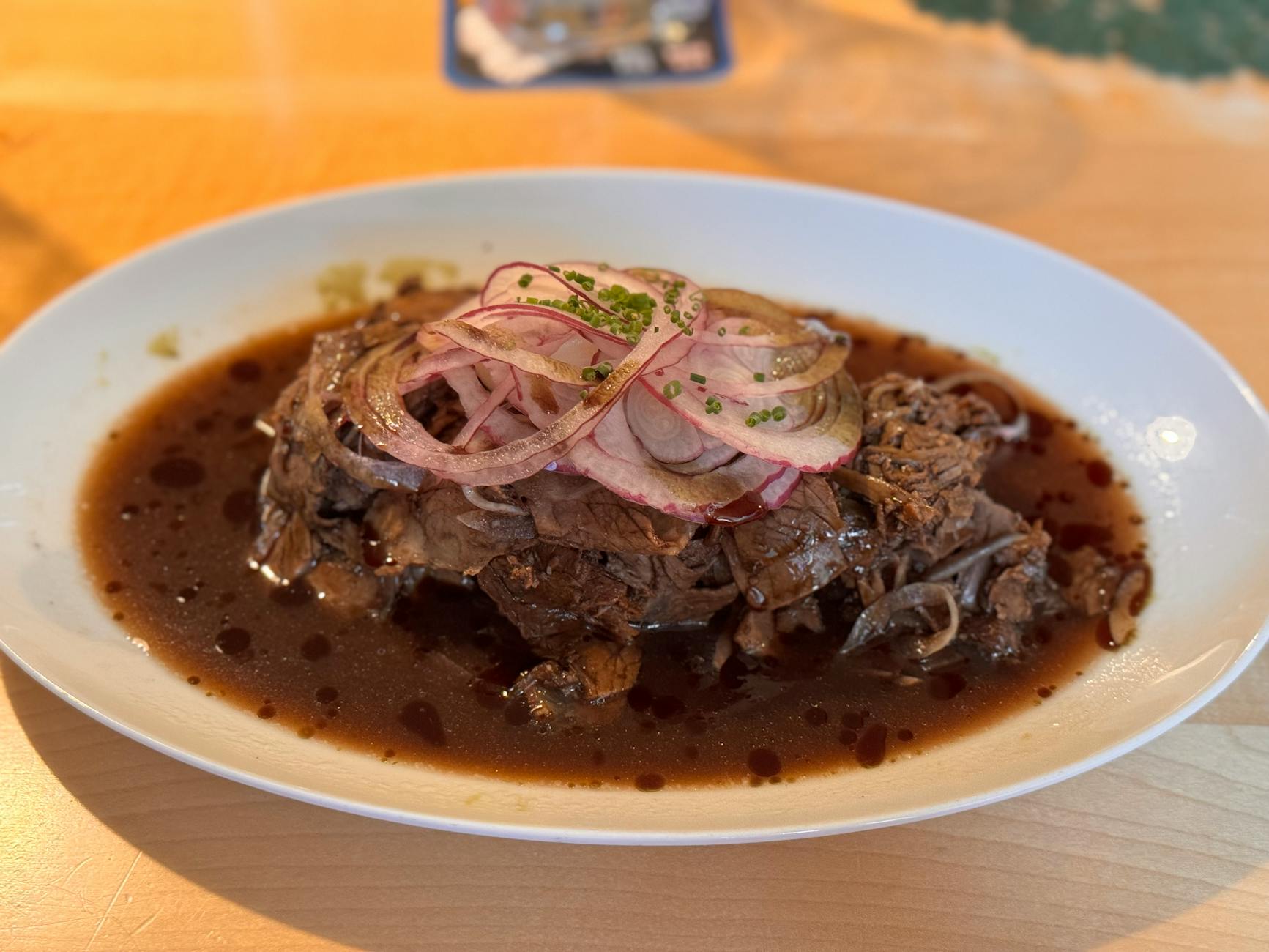
Beef tongue used to appear regularly in delis and home kitchens across America. After slow cooking, the meat became tender enough for sandwiches, tacos, or sliced dinner platters.
Older generations viewed tongue as a perfectly ordinary cut of meat because wasting edible animal parts was frowned upon. Today, many people are uncomfortable with the idea before even tasting it.
Pickled Pig’s Feet Had A Loyal Following
Pickled pig’s feet were especially common in Southern households and working-class communities. The dish combined preservation techniques with inexpensive cuts that could feed large families cheaply.
The texture was often chewy and gelatinous, which made it an acquired taste. Even so, many grandparents remembered eating pig’s feet at bars, family gatherings, or straight from large glass jars at local markets.
Rabbit Was Common In Rural Kitchens
Rabbit meat once appeared frequently in farm communities where hunting and self-sufficiency were everyday skills. During difficult economic times, rabbit provided a reliable source of protein that families could raise themselves.
Many older Americans remember rabbit stew or fried rabbit dinners as completely normal meals. Today, however, rabbit is more likely to appear as a specialty item than an everyday supper choice.
- Reasons older generations ate unusual meats:
- Food shortages during wartime
- Lower grocery budgets
- Farm-based lifestyles
- Desire to avoid wasting animal parts
- Regional cooking traditions
Squirrel Meat Was A Real Dinner Option
In many rural parts of the United States, squirrel hunting was once both recreational and practical. Families commonly used squirrel meat in stews, soups, and slow-cooked recipes.
Grandparents who grew up during the Depression often viewed squirrel as no different from chicken or rabbit. Modern diners, however, are usually surprised to learn how widespread the practice once was.
Head Cheese Confused Almost Everyone
Despite the name, head cheese contains no actual cheese. The dish is made from meat gathered from a pig or calf head, suspended in a gelatin-like loaf.
For older generations, head cheese represented resourcefulness and traditional butchering practices. Sliced thin and served cold, it was a common lunch item in many immigrant and rural households despite its intimidating appearance.
Chipped Beef On Toast Became A Military Favorite
Chipped beef, often served over toast with cream sauce, became especially popular during World War II. Soldiers ate it frequently because dried beef lasted longer and traveled well.
After returning home, many veterans continued eating the dish because it was inexpensive and filling. Although it remains nostalgic for some families, younger generations often find the salty flavor and creamy texture unusual compared to modern breakfast foods.
Older Food Traditions Reflected Necessity More Than Novelty
Many of these meats sound strange today because modern grocery stores offer endless convenience and variety. Earlier generations often ate what was affordable, available, or easy to preserve for long periods.
While some of these dishes have nearly disappeared, others continue to survive through regional traditions and family recipes. They remain a reminder that food history was shaped as much by survival and practicality as by flavor preferences.


Leave a Reply