
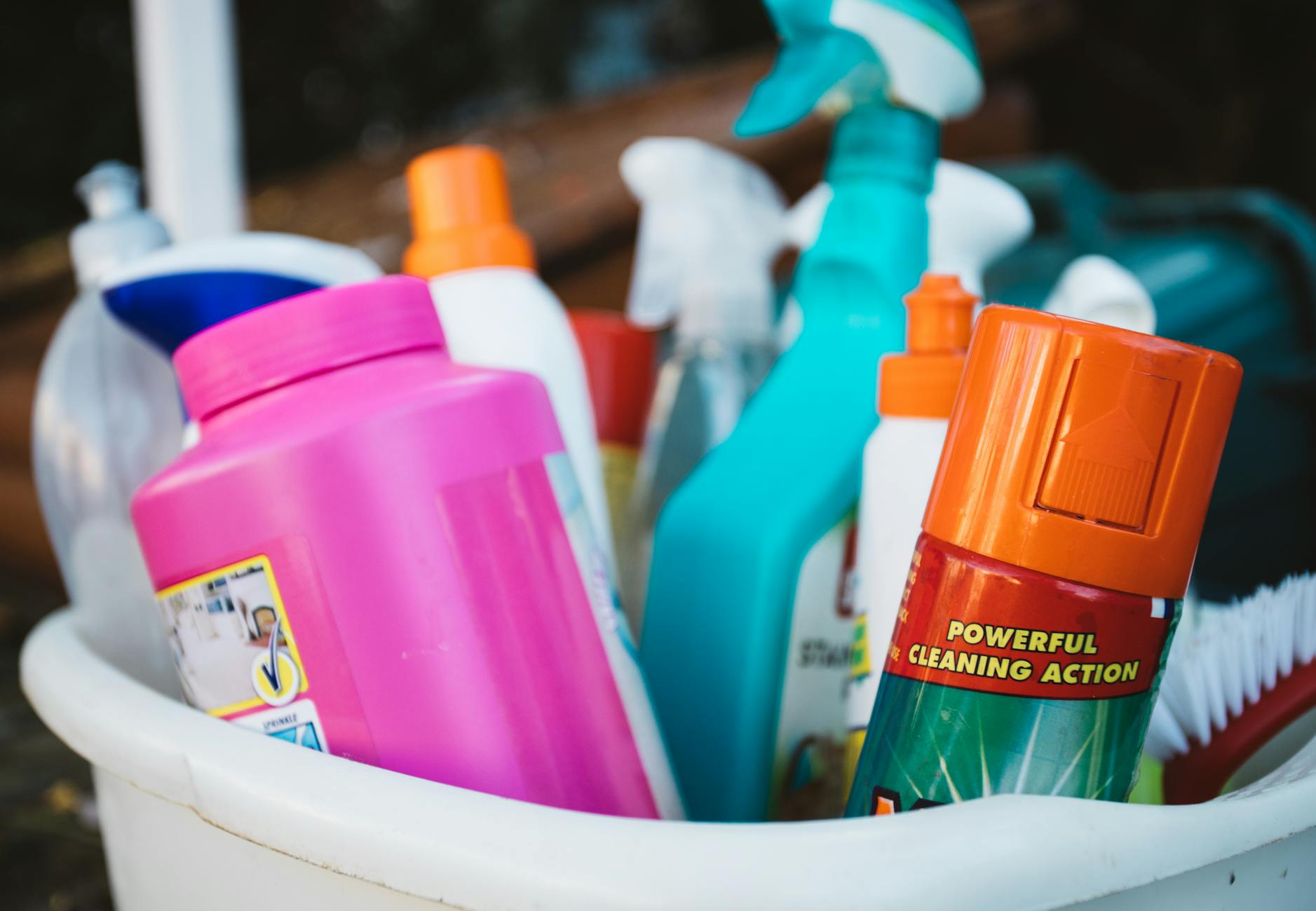
Bleach is one of the most powerful cleaning products found in homes, but it is also one of the easiest to misuse. While it can disinfect surfaces and remove stains effectively, bleach may damage certain household materials permanently or even create dangerous chemical reactions when combined with the wrong substances.
Many people assume bleach is a universal cleaner, but using it improperly can ruin fabrics, corrode surfaces, and release harmful fumes. Knowing where bleach should never be used can help prevent costly mistakes and safety hazards around the house.
Granite Countertops Can Become Permanently Damaged
Granite countertops are durable, but bleach can slowly weaken the protective sealant that keeps the stone resistant to stains and moisture. Over time, repeated bleach exposure may dull the surface and create discoloration.
Natural stone is porous, which means harsh chemicals can seep into tiny openings and affect the appearance permanently. Many countertop manufacturers recommend pH-balanced stone cleaners instead of bleach-based products.
Even diluted bleach can eventually strip away the polished finish that gives granite its glossy appearance. Once the surface becomes damaged, restoration can be expensive.
Stainless Steel Appliances May Corrode
Bleach should never be used regularly on stainless steel refrigerators, dishwashers, or sinks. Although stainless steel appears highly resistant, bleach can corrode the protective outer layer over time.
This corrosion may lead to discoloration, pitting, or small rust spots that become difficult to remove. Appliance manufacturers often specifically warn against chlorine-based cleaners in care instructions.
The problem becomes worse when bleach sits on the surface too long without being rinsed completely. Moisture and trapped residue can accelerate metal damage significantly.
Wooden Furniture Can Lose Its Finish
Wood surfaces react poorly to harsh bleach exposure because the chemical can strip protective coatings and dry out the material itself. Tables, cabinets, and hardwood furniture may develop fading or rough patches after cleaning with bleach.
Bleach can also weaken stains and varnishes that help protect wood from moisture. Once the finish becomes damaged, refinishing furniture may require sanding and resealing.
Many wood-safe cleaners use gentler ingredients that clean effectively without breaking down protective coatings.
Colored Clothing May Fade Instantly
Bleach is notorious for stripping color from fabrics, especially darker clothing. Even small splashes can create permanent white spots that cannot be repaired.
Some fabrics labeled “color-safe” still react unpredictably when exposed to strong bleach solutions. Delicate materials may weaken or tear after repeated exposure as well.
Consumers sometimes assume diluted bleach is harmless, but repeated washing can still damage fibers over time. Many laundry experts recommend oxygen-based alternatives for stain removal on colored clothing.
Rubber Seals And Gaskets Can Break Down
Bleach can weaken rubber components commonly found in appliances, plumbing fixtures, and cleaning tools. Washing machine seals, refrigerator gaskets, and sink stoppers may become brittle or cracked after repeated exposure.
Once rubber begins degrading, leaks and mechanical problems often follow. This is especially important in appliances where flexible seals are critical for preventing water damage.
The strong chemical composition of bleach gradually removes elasticity from rubber materials, shortening their lifespan significantly.
Leather Furniture And Accessories Can Crack
Leather reacts very poorly to bleach because the chemical strips away natural oils that keep the material flexible. Sofas, shoes, purses, and jackets may dry out and crack after even limited exposure.
Bleach can also discolor leather permanently, leaving faded patches or uneven staining. Unlike fabric, leather often cannot be restored once severe chemical damage occurs.
Specialized leather cleaners are designed to preserve softness while removing dirt safely. Using bleach instead can ruin expensive items within minutes.
Mixing Bleach With Other Cleaners Can Be Dangerous
One of the biggest bleach mistakes involves combining it with other household cleaning products. Mixing bleach with ammonia or acidic cleaners can release toxic gases that may cause breathing problems and eye irritation.
This risk is especially dangerous in enclosed spaces like bathrooms or laundry rooms where fumes can build quickly. Even accidental mixing inside drains or toilet bowls may create hazardous reactions.
Reading product labels carefully is critical before combining any cleaning chemicals. Many manufacturers specifically warn against mixing bleach with other products under any circumstances.
Bleach Works Best When Used Carefully
Bleach remains useful for disinfecting certain surfaces and whitening appropriate materials, but it should never be treated as a one-size-fits-all cleaner. Many household items require gentler products designed specifically for their surfaces and materials.
Understanding where bleach can cause damage helps protect furniture, appliances, clothing, and household finishes from unnecessary wear. Proper use not only improves cleaning safety but also helps expensive household items last much longer.



Leave a Reply