
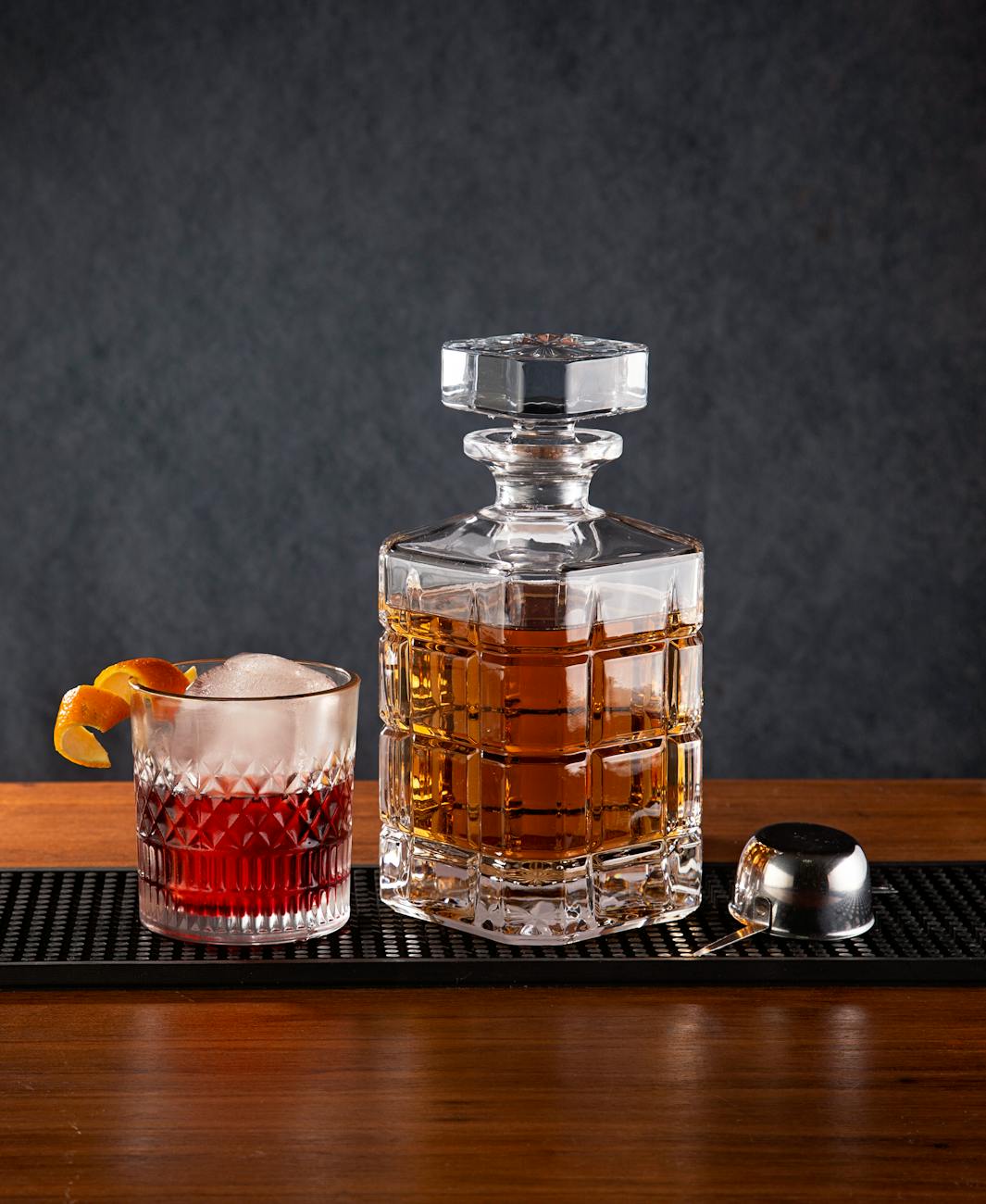
Scotch whisky offers one of the widest flavor ranges in the spirits world. Depending on the region and aging process, a single glass can reveal notes of smoke, vanilla, fruit, spice, honey, or oak. However, the way Scotch is served can dramatically affect how those flavors appear on the palate.
Many beginners assume there is only one “correct” way to drink Scotch, but experienced whisky drinkers often experiment with different serving styles to unlock new aromas and textures. Small changes in temperature, dilution, or glassware can completely transform the tasting experience.
Drinking Scotch Neat Reveals The Full Character
Drinking Scotch neat means serving it without ice, mixers, or water. This is the purest way to experience a whisky because nothing interferes with its natural aroma and flavor profile.
Many whisky enthusiasts recommend starting neat when trying a bottle for the first time. Doing so allows drinkers to notice subtle notes like dried fruit, caramel, smoke, citrus, or spice that might become muted with dilution.
Stronger Scotch whiskies can feel intense at first, especially for beginners. Taking slow sips and letting the whisky rest on the tongue often reveals more complexity over time.
Adding A Few Drops Of Water Unlocks Hidden Flavors
One of the most common Scotch-drinking techniques involves adding just a few drops of room-temperature water. This small amount of dilution can soften alcohol burn and release aromas that were previously hidden.
Many peated whiskies become noticeably fruitier after adding water, while sweeter Speyside whiskies may reveal more honey or vanilla notes. The goal is not to water the drink down heavily but simply to open it up.
Professional whisky tasters frequently use water during tastings because it allows them to detect more subtle characteristics within the spirit.
Using Large Ice Cubes Creates A Slower Experience
Ice changes Scotch dramatically by chilling the liquid and slowly diluting it over time. Large cubes are preferred because they melt more slowly, preserving flavor longer than crushed ice or smaller cubes.
Some drinkers enjoy how colder temperatures soften smoky or spicy whiskies. Others appreciate how the gradual dilution changes the flavor profile throughout the drinking experience.
The evolving flavor journey caused by melting ice is one reason many people prefer Scotch on the rocks during relaxed evenings.
Choosing The Right Glass Enhances Aroma
Glassware matters more than many beginners realize. Wide-mouthed glasses can cause aromas to escape quickly, while tulip-shaped whisky glasses help concentrate scents toward the nose.
Glencairn glasses are especially popular among Scotch enthusiasts because they direct aromas upward while still allowing enough room to swirl the whisky gently. Better aroma concentration often leads to a more flavorful tasting experience overall.
Even switching from a thick tumbler to a proper whisky glass can reveal flavors that previously seemed muted or hidden.
Pairing Scotch With Food Expands Flavor Notes
Certain foods can dramatically change how Scotch tastes. Smoky whiskies often pair well with grilled meats or aged cheeses, while sweeter Scotch expressions complement dark chocolate or caramel desserts.
Food pairings work because they highlight different flavor compounds within the whisky. A salty snack, for example, may make fruit notes appear sweeter and more noticeable.
Many whisky bars now offer curated tasting menus designed specifically to demonstrate how pairing changes perception. This approach helps beginners appreciate Scotch in a more interactive way.
Tasting Multiple Scotch Styles Side By Side
One of the best ways to understand Scotch flavors is by comparing different styles during a single tasting session. Sampling a smoky Islay whisky next to a lighter Speyside bottle immediately highlights regional differences.
Tasting flights also train the palate to recognize subtle distinctions in sweetness, oak influence, spice, and peat smoke. Beginners often learn faster through direct comparison than by repeatedly drinking only one bottle.
Keeping portions small during tastings helps prevent palate fatigue while allowing each whisky’s characteristics to stand out more clearly.
Scotch Appreciation Is About Exploration
There is no universal “best” way to drink Scotch because flavor preferences vary from person to person. Some drinkers prefer intense smoky pours served neat, while others enjoy lighter whiskies over ice or with food pairings.
The most important part of enjoying Scotch is experimenting with different methods until certain flavors stand out in a personally satisfying way. Exploration is what makes Scotch whisky such a rewarding and endlessly varied experience.

Leave a Reply