
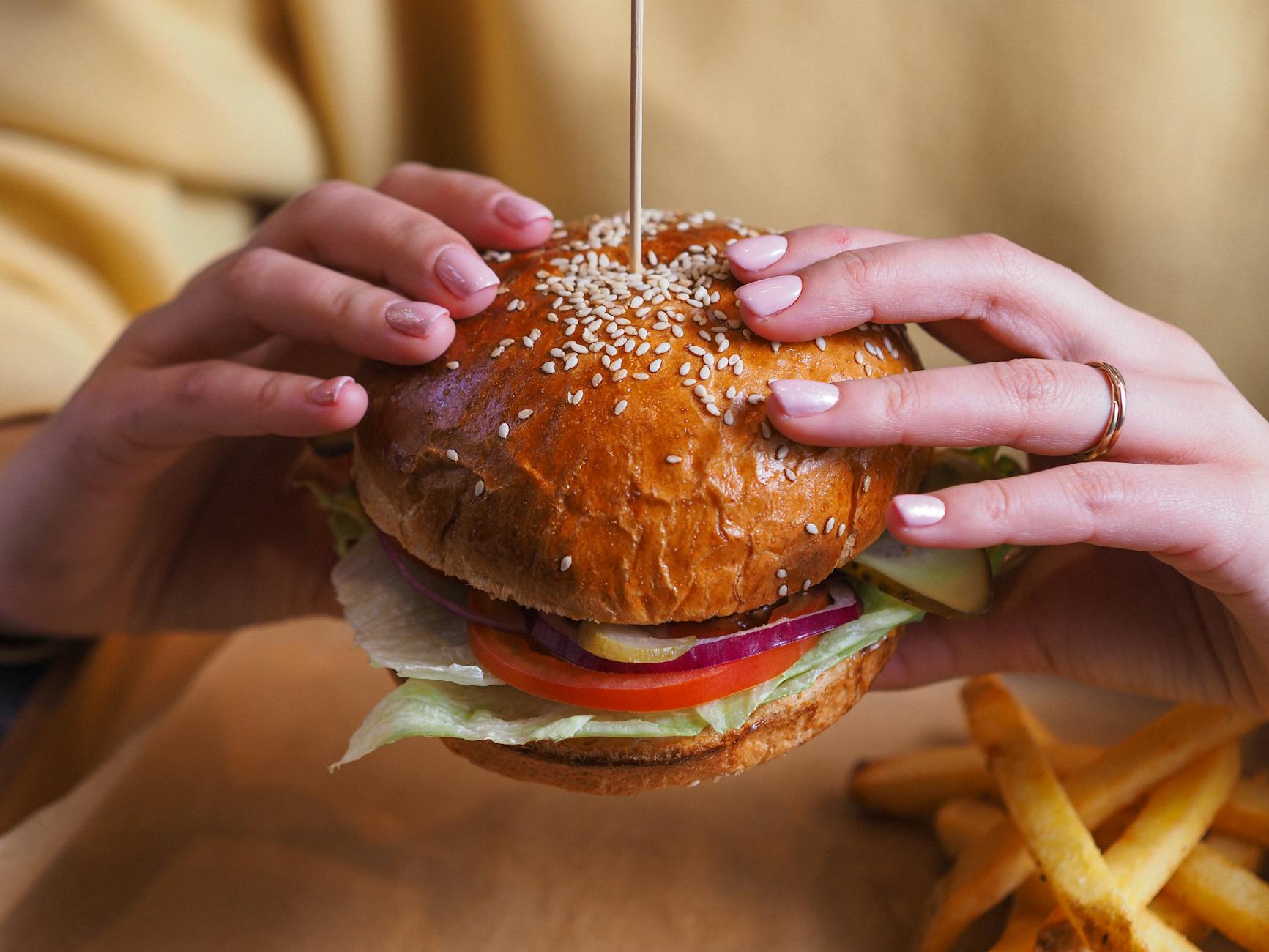
In fast food, the bun is often overlooked compared to the patty, toppings, or sauces. But it plays a critical role in texture, flavor balance, and overall eating experience. A good bun should be soft but sturdy, slightly toasted, and able to hold ingredients without falling apart.
When buns are too dry, overly sweet, or mass-produced without freshness, they can overpower or weaken the entire sandwich. In some cases, the bun becomes the weakest part of an otherwise decent burger.
McDonald’s
McDonald’s is one of the most recognized fast food brands in the world, but its standard hamburger buns are often considered overly soft and somewhat bland.
The buns are designed for mass production and consistency, which means they prioritize shelf stability and uniform texture over artisan quality. This can result in a slightly sponge-like feel that some customers find unremarkable.
While they work well for holding classic burgers like the Big Mac, they rarely stand out as a memorable part of the sandwich experience.
For many diners, the bun simply functions as a delivery system rather than an enjoyable component.
Burger King
Burger King uses sesame seed buns that are slightly sturdier than some competitors, but they are still frequently criticized for inconsistency in freshness.
Depending on location and preparation timing, buns can sometimes feel dry or slightly stale, especially during off-peak hours.
Because Burger King focuses heavily on flame-grilled patties, the bun often plays a secondary role and may not always receive the same attention as the protein.
Some customers appreciate the structure, but others find it lacks the softness and freshness expected from a premium burger experience.
Wendy’s
Wendy’s is known for fresh beef patties, but its buns often receive mixed feedback depending on the product line.
While some sandwiches use decent-quality bakery-style buns, others can feel overly processed or slightly dry, especially in value menu items.
The contrast between a high-quality patty and a less impressive bun can make the overall burger feel unbalanced.
Wendy’s also frequently experiments with different bun styles, which can lead to inconsistency across the menu.
Jack in the Box
Jack in the Box offers a wide variety of menu items, but its standard buns are often described as average at best.
Because the chain focuses heavily on late-night service and fast preparation, buns are typically mass-stocked and reheated rather than baked fresh in-store.
This convenience-focused model can result in buns that lack texture or structural integrity, especially with heavier sandwiches.
While the flavor combinations can be creative, the bun quality doesn’t always match the ambition of the menu.
Sonic Drive-In
Sonic Drive-In is known for its wide drink and snack menu, but its burger buns are often seen as one of its weaker components.
The buns tend to be soft and slightly sweet, which can work well for simple burgers but may become soggy with heavier toppings and sauces.
Because Sonic emphasizes speed and drive-in service, buns are not always toasted or prepared with premium texture in mind.
This can lead to a less satisfying bite compared to higher-end burger-focused restaurants.
White Castle
White Castle’s sliders are iconic, but their small steamed buns are often a point of debate among customers.
The buns are intentionally soft and steamed rather than toasted, giving them a unique texture that is very different from traditional burger buns.
While some fans enjoy this distinctive style, others find them overly moist or lacking structure.
Because sliders are designed for quick consumption, the bun prioritizes softness over firmness, which may not appeal to all diners.
What Makes a Better Burger Bun
A good burger bun should complement the ingredients rather than compete with them. Texture, freshness, and balance all play important roles in the overall experience.
Ideal buns are slightly toasted on the inside, soft on the outside, and sturdy enough to hold sauces without falling apart. Bakery-style or brioche buns often outperform mass-produced options in both flavor and texture.
Fast food chains operate under strict efficiency demands, which means buns are often standardized rather than optimized for gourmet quality. However, small differences in preparation and sourcing can dramatically improve the final product.
Ultimately, the bun may not be the star of the burger, but it plays a bigger role than most people realize.

Leave a Reply