
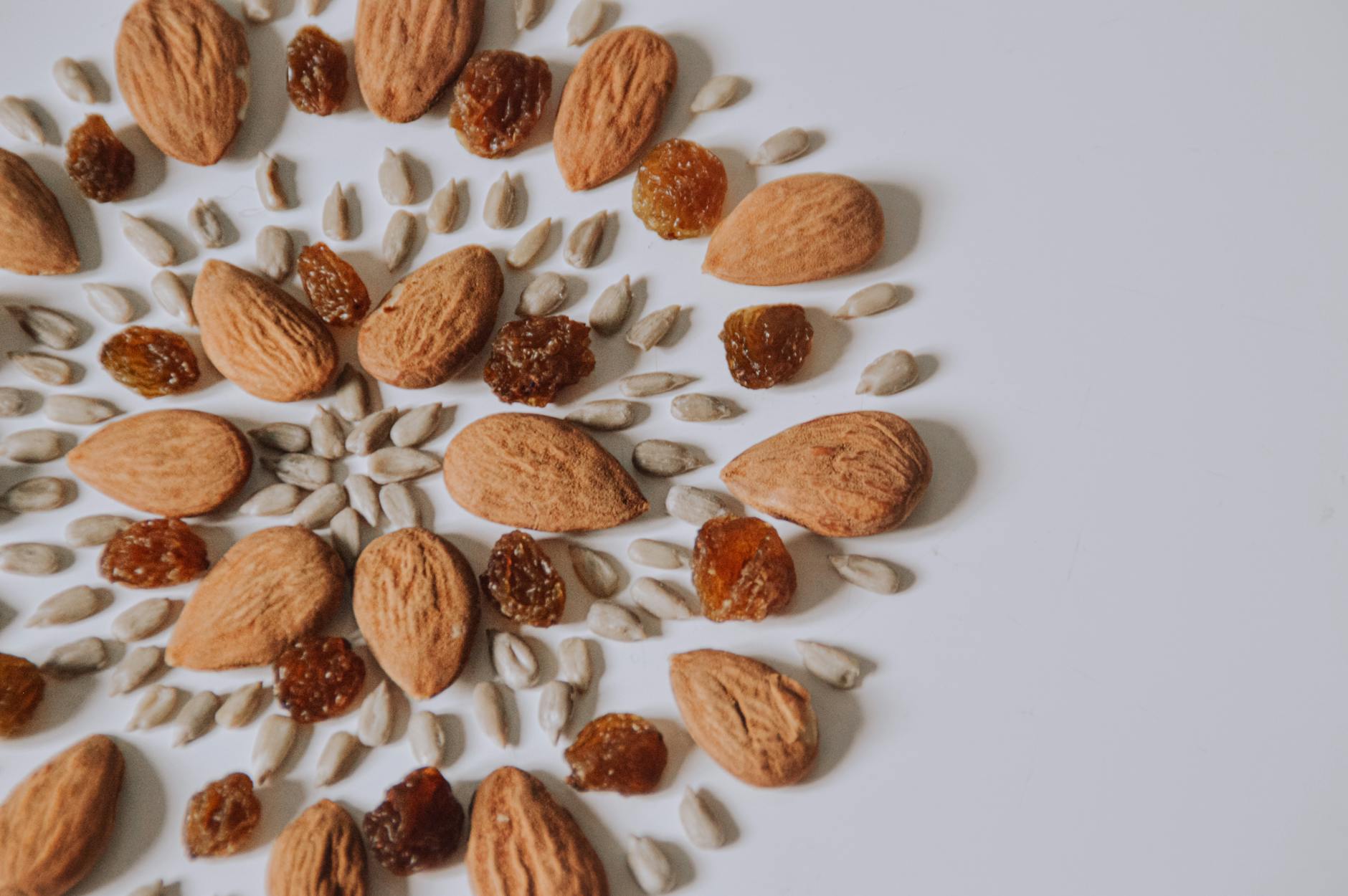
Seeds are often promoted as healthy foods packed with nutrients, fiber, and beneficial fats. In many cases, that reputation is deserved. However, not every seed product is automatically healthy in every situation.
Certain seeds may contribute to inflammation concerns when consumed excessively, heavily processed, roasted in unhealthy oils, or eaten as part of poor overall dietary patterns. Some seeds and seed-based products raise more concerns than others because of omega-6 fat content, sodium, processing methods, or added ingredients.
Sunflower seeds
Sunflower seeds are rich in nutrients like vitamin E and magnesium, but they are also high in omega-6 fatty acids.
Omega-6 fats are not inherently bad, but diets that contain extremely high omega-6 intake without enough omega-3 balance may contribute to inflammatory processes in some individuals.
The biggest concerns usually involve heavily salted or flavored sunflower seed products commonly sold at gas stations and sporting events.
Brands offering barbecue, ranch, dill pickle, or spicy flavors often add large amounts of sodium, artificial flavoring, and processed oils.
Excess sodium and ultra-processed snack foods may contribute to broader inflammatory dietary patterns when eaten frequently.
Pumpkin seeds
Pumpkin seeds contain protein, zinc, and healthy fats, but packaged versions can become problematic depending on preparation.
Roasted pumpkin seeds coated in sugary glazes or excessive salt lose many of the benefits associated with raw or lightly roasted varieties.
Some flavored pumpkin seed snacks are also prepared with refined vegetable oils that may oxidize during high-temperature processing.
Consumers often assume all seed products are healthy regardless of preparation style, which is not always accurate.
Plain pumpkin seeds in moderation can absolutely fit into healthy diets, but highly processed snack versions may contribute to excess calorie and sodium intake.
Sesame seeds
Sesame seeds appear in breads, crackers, sauces, and processed snack foods throughout modern diets.
Although sesame seeds themselves contain beneficial nutrients, they are commonly paired with heavily processed foods high in refined carbohydrates and sodium.
Sesame-based oils are also widely used in fried and packaged foods.
Several dietary factors linked to increased inflammation risk include:
- Excess sodium intake
- Highly processed snack foods
- Refined vegetable oils
- Added sugars
- Low overall fiber intake
These broader dietary patterns matter more than any single ingredient alone.
People with sesame allergies may also experience inflammatory immune responses triggered by even small exposures.
Flaxseeds
Flaxseeds are often praised for omega-3 fatty acids and fiber, but some processed flaxseed products contain added sugars or stabilizers that reduce their nutritional value.
Flaxseed snack bars, cereals, and baked goods sometimes market themselves aggressively as health foods despite containing highly processed ingredients overall.
Poor storage can also create problems because flaxseed oils are sensitive to oxidation.
Rancid oils may develop harmful compounds that reduce product quality and freshness.
While moderate flaxseed intake is generally viewed positively, consumers still benefit from paying attention to ingredient quality and storage conditions.
Chia seeds
Chia seeds became extremely popular during the wellness-food boom because of their fiber and omega-3 content.
However, excessive chia seed consumption may cause digestive discomfort, bloating, or gastrointestinal irritation in some individuals.
Many commercial chia products also include sweeteners, syrups, or processed additives that dramatically increase sugar intake.
Because chia seeds absorb large amounts of water, consuming them dry without adequate hydration may create digestive issues for certain people.
Some consumers also mistakenly believe adding chia seeds to otherwise unhealthy foods automatically makes the overall product nutritious.
In reality, total dietary quality matters far more than isolated “superfood” ingredients.
Why Whole Dietary Patterns Matter Most
Seeds themselves are not automatically harmful, and many provide valuable nutrients when consumed in balanced diets.
The bigger concern often comes from how seeds are processed, flavored, packaged, and incorporated into modern ultra-processed snack foods.
Consumers frequently focus on single ingredients while overlooking broader eating patterns that influence inflammation much more significantly.
Whole foods rich in fiber, fruits, vegetables, lean proteins, and healthy fats generally support better long-term health outcomes than heavily processed snack products.
Moderation also remains important. Even nutritious foods can become problematic when consumed excessively or paired with poor overall dietary habits.
Reading ingredient labels, limiting heavily processed snack foods, and balancing omega-6 intake with omega-3-rich foods may help support healthier inflammatory responses over time.
Ultimately, seeds can absolutely belong in healthy diets, but preparation methods and overall nutrition choices matter far more than marketing claims alone.




Leave a Reply