
Appetizers are designed to tempt diners into spending more before the main course arrives. While some starters offer real culinary value, many are priced far above what their ingredients and preparation actually justify.
Restaurants often rely on presentation, branding, or portion sharing to make appetizers feel special. But in reality, many of these dishes use inexpensive ingredients that are quick to prepare and easy to scale.
Understanding which appetizers tend to be overpriced can help diners make smarter choices and avoid spending too much on items that don’t deliver proportional value.
Calamari at Chain Restaurants
Calamari is one of the most common appetizers on restaurant menus, yet it is frequently overpriced compared to its actual cost and preparation complexity.
Most versions use frozen squid that is lightly breaded and deep-fried. While it can be tasty when done well, the dish rarely reflects the premium price many restaurants charge.
The cost often comes from perceived sophistication rather than ingredient value. A simple batch of fried seafood can be marked up significantly due to menu positioning and demand.
At chain restaurants especially, calamari tends to be one of the highest-margin items despite its simple preparation.
Spinach and Artichoke Dip at Casual Dining Chains
Spinach and artichoke dip is a creamy, cheesy appetizer that appears almost everywhere, from sports bars to casual dining restaurants. Despite its popularity, it is often one of the most overpriced menu items.
The ingredients—spinach, artichokes, cream cheese, and shredded cheese—are relatively inexpensive and widely available. Yet restaurants frequently price it as a premium starter.
The dish is also calorie-dense and typically served with low-cost tortilla chips or bread, further increasing profit margins.
While it is undeniably comforting and shareable, its actual food cost rarely matches its menu price.
Bruschetta at “Fine Dining” Restaurants
Bruschetta often sounds elegant on a menu, but it is essentially toasted bread topped with diced tomatoes, garlic, olive oil, and herbs.
Despite its simplicity, many upscale restaurants charge premium prices for this appetizer, especially when it is presented with artistic plating or gourmet branding.
The ingredients are inexpensive, and preparation is minimal, making it one of the clearest examples of style-over-substance pricing in dining.
While fresh tomatoes and quality olive oil can elevate the flavor, diners are often paying more for presentation than culinary complexity.
Mozzarella Sticks at Sports Bars
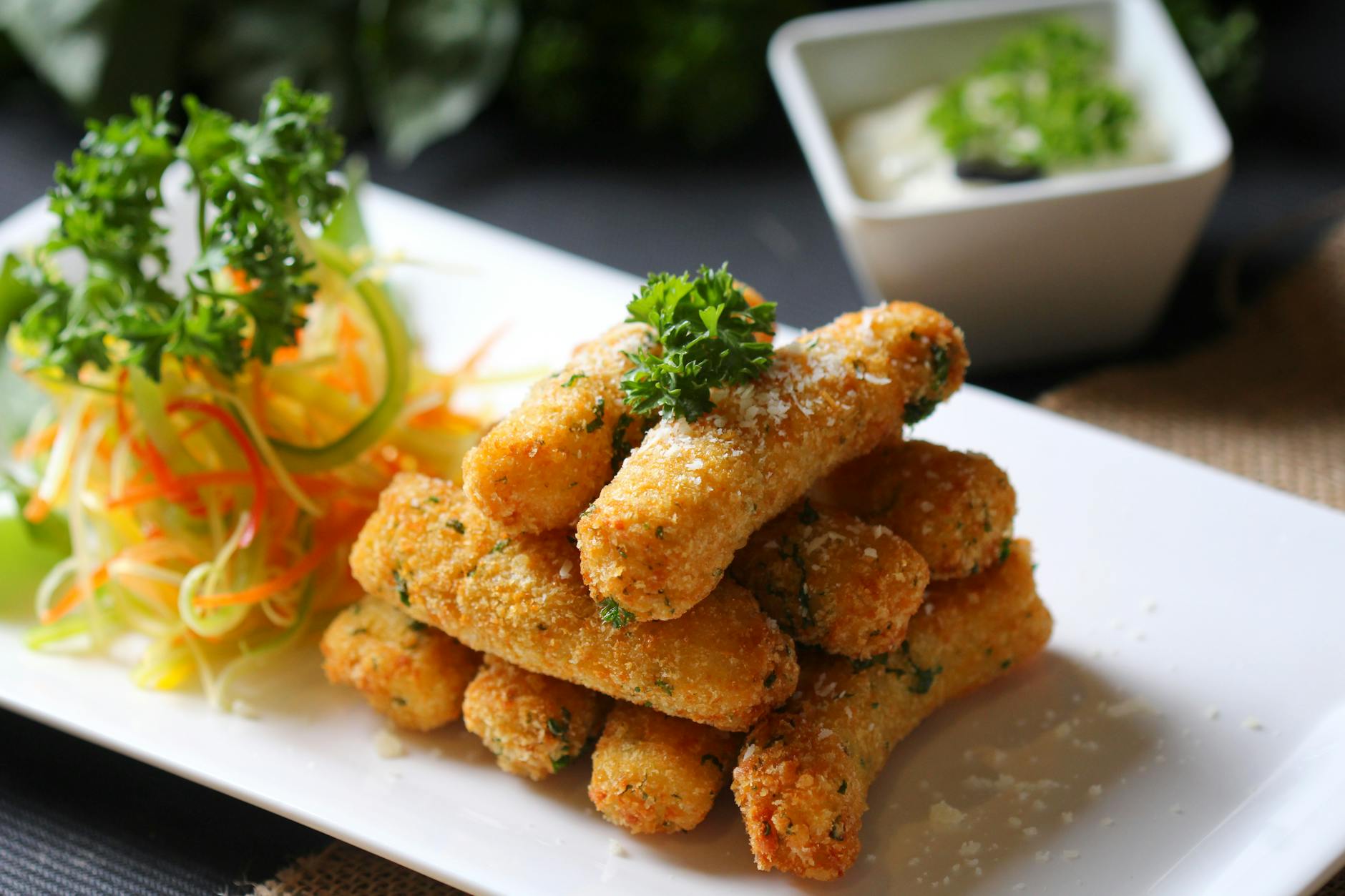
Mozzarella sticks are a classic sports bar appetizer, but they are also among the most marked-up fried foods on many menus.
Typically made from frozen, pre-breaded cheese sticks, they require little more than deep frying before serving. Despite this simplicity, prices can rival more complex appetizers.
The appeal comes from nostalgia and comfort rather than culinary sophistication, which allows restaurants to maintain high margins.
Common reasons appetizers become overpriced include:
- Low-cost base ingredients
- Minimal preparation required
- Heavy reliance on frozen or pre-made items
- Portion-sharing pricing strategies
- Presentation-focused menu positioning
These factors often make simple fried snacks some of the most profitable items in restaurants.
Guacamole at Mexican Restaurants
Guacamole is a fresh, flavorful appetizer made primarily from avocados, lime, salt, and a few simple add-ins. While avocados can be expensive, the markup at restaurants is often disproportionate.
In many cases, guacamole is prepared in large batches with relatively low labor cost, yet still priced as a premium appetizer.
Restaurants also frequently charge extra for chips, turning a simple ingredient-based dish into a high-margin menu item.
Although guacamole can be delicious and fresh, diners often pay significantly more than the actual cost of ingredients and preparation would suggest.
How to Spot Overpriced Appetizers
Not all appetizers are poor value. Some dishes involve labor-intensive preparation, specialty ingredients, or culinary skill that justifies higher prices. However, many common starters rely on inexpensive ingredients and simple assembly.
A good rule of thumb is to consider whether you could reasonably make the dish at home for a fraction of the price. If the answer is yes, it may not be the best value item on the menu.
Appetizers should enhance the dining experience—not inflate the bill unnecessarily before the main course even arrives.
Being selective allows diners to enjoy restaurant meals more strategically while avoiding common menu traps.

Leave a Reply