
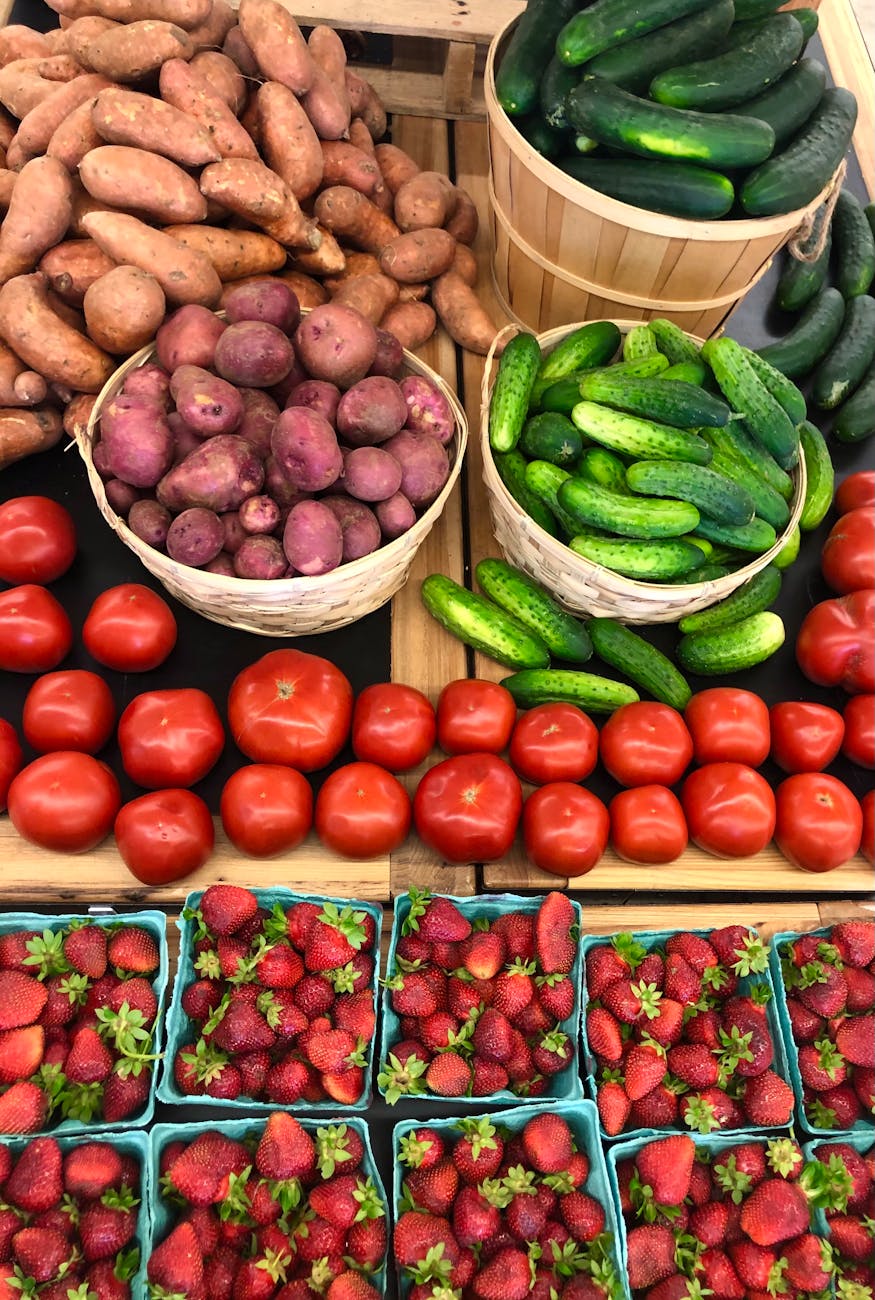
Fresh produce often seems like the healthiest option, but that is not always true. Some fruits and vegetables lose flavor, texture, and nutrients quickly after harvest, making frozen or canned versions a smarter purchase.
Modern freezing techniques can preserve produce at peak ripeness, while certain canned varieties last longer and reduce food waste. In some cases, fresh versions spoil so rapidly that shoppers end up throwing away both money and nutrition.
Spinach
Fresh spinach can wilt within just a few days of purchase. Many shoppers buy large bags with good intentions only to discover slimy leaves hiding in the refrigerator before they get a chance to use them.
Frozen spinach is often a more practical choice. It is picked and frozen quickly, helping preserve nutrients while extending shelf life dramatically.
Another advantage is convenience. Frozen spinach works especially well in soups, smoothies, casseroles, omelets, and pasta dishes without requiring washing or chopping.
Berries
Fresh raspberries, blackberries, and strawberries are among the fastest-spoiling items in the produce aisle. Mold can appear within days, especially if the berries were transported long distances before reaching stores.
Frozen berries are typically processed at peak ripeness, which helps preserve flavor and nutritional value. They are also available year-round and usually cost less per serving than fresh varieties out of season.
Many people use frozen berries for:
- Smoothies
- Yogurt parfaits
- Oatmeal
- Baking recipes
- Homemade sauces
The convenience and longer shelf life make them a strong alternative to fragile fresh berries.
Peas
Fresh peas lose sweetness surprisingly fast after harvest because their natural sugars quickly convert into starch. Unless they come directly from a local farm, many fresh peas may already be less flavorful by the time shoppers buy them.
Frozen peas are often considered superior because they are frozen shortly after picking. This process helps preserve their sweetness, texture, and bright green color.
They also cook extremely quickly, making them one of the easiest vegetables to keep on hand for side dishes, soups, and rice recipes.
Corn
Fresh corn on the cob can taste fantastic during peak summer season, but outside of local harvest periods, it may spend days in transit and storage before reaching grocery stores.
Frozen corn is frequently sweeter because it is processed shortly after harvest. It also eliminates the need for shucking and cleanup while remaining versatile for soups, salads, casseroles, and stir-fries.
Canned corn can also work well in recipes when convenience matters most. Choosing lower-sodium canned options helps reduce excess salt intake while still providing fiber and nutrients.
Green Beans
Fresh green beans may look appealing in the produce section, but they can become limp and rubbery quickly in the refrigerator. Busy households often struggle to use them before quality declines.
Frozen green beans hold up especially well because freezing helps maintain texture better than with some other vegetables. They are easy to steam, sauté, or add directly into casseroles and soups.
In many cases, frozen green beans are already trimmed and washed, saving time during meal preparation. This convenience can make healthy eating easier during hectic weeks.
Tomatoes for Cooking
Fresh tomatoes are excellent for salads and sandwiches during peak season, but many supermarket tomatoes lack flavor for much of the year. Off-season fresh tomatoes are often harvested early and ripened artificially during shipping.
For sauces, soups, and stews, canned tomatoes are usually the better option. Canned varieties are typically processed at peak ripeness, resulting in richer flavor and better consistency for cooking.
Popular canned choices include diced tomatoes, crushed tomatoes, and whole peeled tomatoes. Many chefs even prefer canned tomatoes over fresh for pasta sauces because of their dependable taste and texture.
Smarter Produce Choices Can Save Money
Buying frozen or canned produce does not mean sacrificing nutrition. In many cases, preserved produce retains nutrients exceptionally well while reducing waste and saving money.
The best choice often depends on how quickly you plan to use the food and how it will be prepared. Fresh produce still has an important place in a healthy diet, but some fruits and vegetables simply perform better in frozen or shelf-stable form.
Understanding which produce items spoil fastest can help shoppers make smarter grocery decisions while keeping more nutritious options available at home year-round.


Leave a Reply