
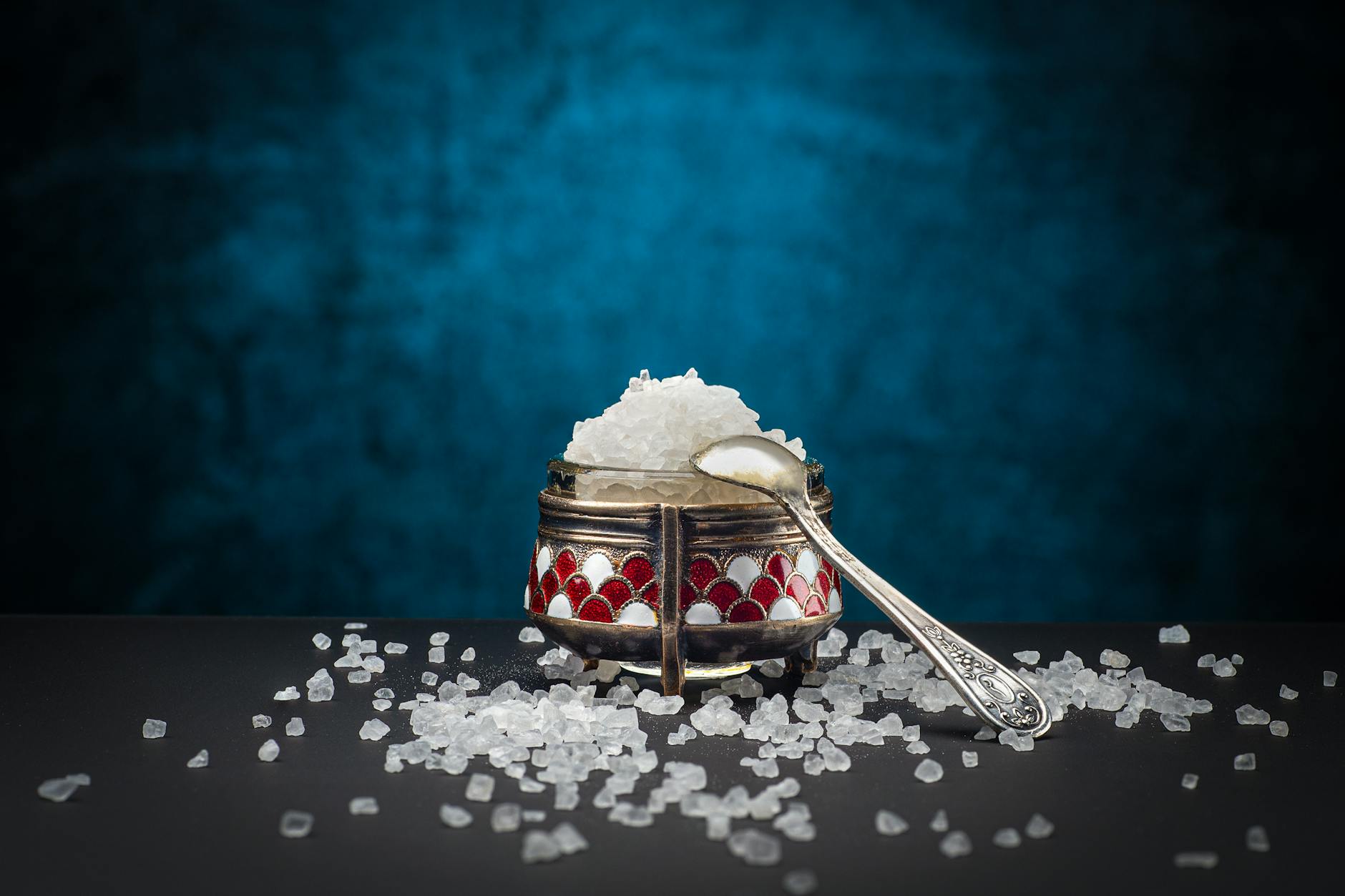
Salt often gets a bad reputation, but the truth is the body needs sodium to function properly. Sodium helps regulate fluid balance, muscle contractions, and nerve signals. The problem usually comes from excessive intake of heavily processed table salt hidden in packaged foods.
Certain natural salts contain trace minerals and undergo less processing than standard refined salt. While no salt should be consumed in large quantities, some varieties may offer small nutritional advantages along with richer flavor.
Redmond Real Salt
Redmond Real Salt is harvested from an ancient underground sea deposit in Utah. Unlike highly refined table salt, it contains naturally occurring trace minerals such as magnesium, calcium, and potassium.
Many people appreciate its mild flavor and lack of chemical additives. Traditional table salt is often stripped of minerals during processing and may contain anti-caking agents that some consumers prefer to avoid.
Because Real Salt is less processed, it tends to have a more complex taste. Some home cooks find they use slightly less overall because the flavor feels stronger and more satisfying.
Sherpa Pink Himalayan Pink Salt
Himalayan pink salt has become one of the most recognizable alternative salts on grocery shelves. Its pink color comes from trace minerals including iron and magnesium.
Supporters often prefer it because it is minimally refined compared to ordinary table salt. The coarse crystals are commonly used in grinders and seasoning blends for meats, vegetables, and soups.
Some potential benefits associated with natural mineral salts include:
- More complex flavor
- Fewer processing additives
- Trace mineral content
- Better texture for cooking
- Lower likelihood of over-salting foods
Although the mineral amounts are relatively small, many consumers enjoy using Himalayan salt as part of a less processed diet.
Maldon Sea Salt Flakes
Maldon Sea Salt Flakes are harvested from seawater using traditional methods in England. The delicate pyramid-shaped flakes are popular among chefs because they dissolve quickly and add texture without overwhelming dishes.
Sea salts like Maldon generally undergo less refining than standard table salt. This allows some naturally occurring minerals to remain intact while also producing a cleaner, fresher flavor.
One advantage of flaky salt is that it often delivers stronger taste with smaller amounts. Sprinkling a pinch over vegetables, eggs, or fish can create flavor impact while helping reduce overall sodium intake.
Celtic Sea Salt Light Grey Celtic Salt
Celtic sea salt is harvested from coastal regions using traditional evaporation techniques. Its light grey color comes from retained moisture and trace minerals naturally found in seawater.
Fans of Celtic salt often point to its less processed nature and slightly lower sodium concentration by volume due to its moisture content. The texture is also softer than many other salts, making it easy to use in cooking.
The mineral profile may include small amounts of magnesium, calcium, and potassium. While these nutrients are not present in massive quantities, they contribute to the salt’s earthy flavor and distinctive appearance.
Morton Iodized Salt
Surprisingly, ordinary iodized salt can still be considered a healthy option in moderation. Morton Iodized Salt contains added iodine, an essential nutrient that supports proper thyroid function.
Iodine deficiency used to be far more common before iodized salt became widespread. For people who do not regularly consume seafood or dairy products, iodized salt can help fill an important nutritional gap.
The key is portion control. Even healthier salts should be used carefully, especially for individuals managing high blood pressure or heart conditions. Choosing quality salt matters, but total sodium intake still plays the biggest role in overall health.
How To Use Salt More Wisely
Healthier salt choices work best when paired with an overall balanced diet rich in vegetables, fruits, whole grains, and lean proteins. Natural salts may offer better flavor and fewer additives, but moderation remains essential.
Many cooks find they can reduce sodium naturally by using herbs, garlic, citrus, and spices alongside quality salts. Combining these ingredients creates flavorful meals without relying heavily on excessive seasoning.
Understanding the differences between refined and minimally processed salts can help consumers make smarter choices in the kitchen while still enjoying the flavor salt brings to everyday meals.



Leave a Reply