
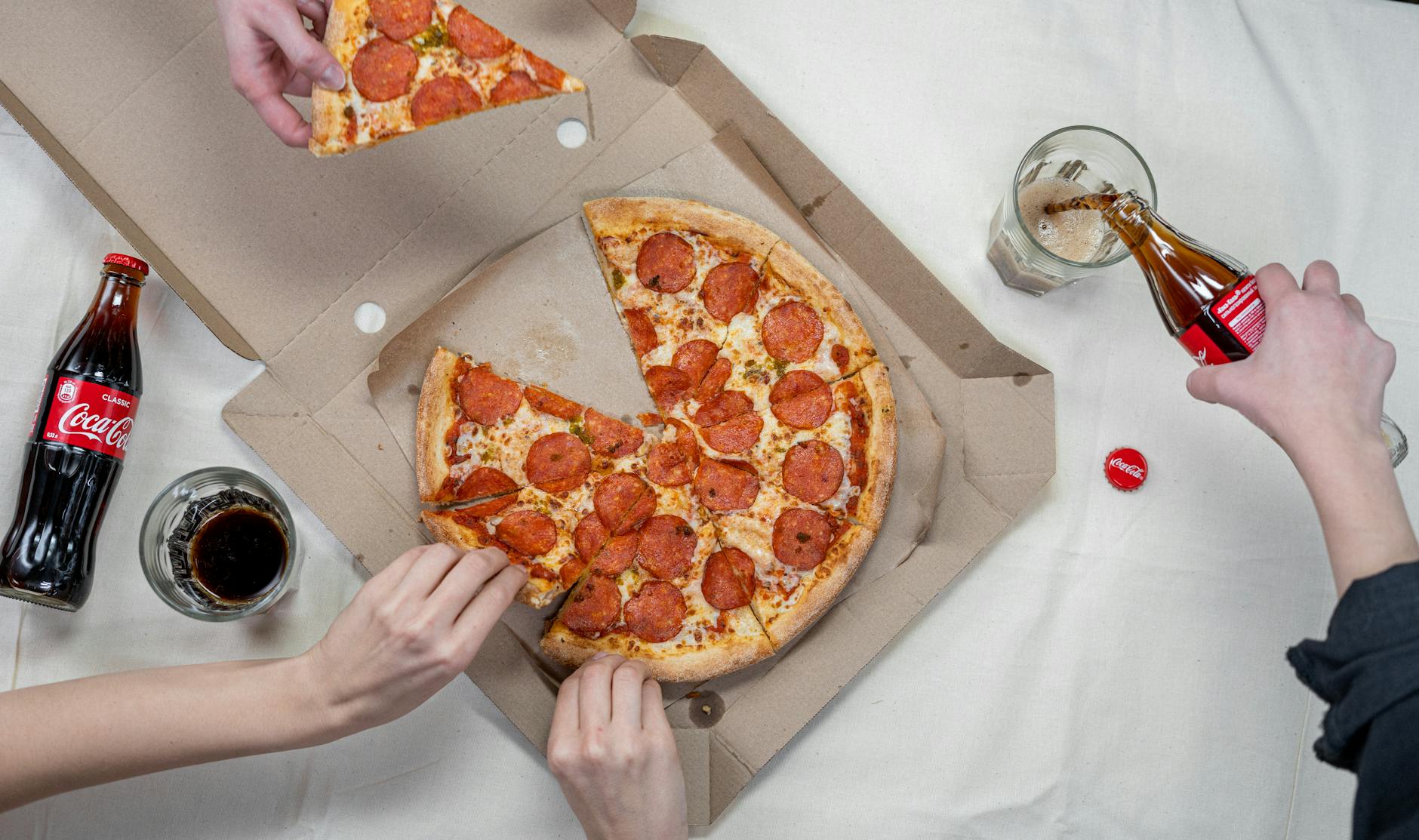
Frozen pizza remains one of the most popular convenience foods in grocery stores because it is affordable, quick to prepare, and widely available. However, nutrition experts and health researchers have raised concerns about certain ingredients commonly found in heavily processed frozen pizzas.
Most concerns focus on long-term dietary patterns rather than occasional consumption. Ingredients tied to excessive processing, preservatives, or high-temperature manufacturing methods may contribute to broader health risks when eaten frequently over time.
Processed Pepperoni
Processed Pepperoni is one of the most common frozen pizza toppings, but it is also among the most heavily processed meats used in packaged foods.
Pepperoni typically contains preservatives such as nitrates and nitrites, which help extend shelf life and maintain color. During high-heat cooking, these compounds can form substances that researchers have studied for potential links to increased cancer risk when consumed regularly over long periods.
Because frozen pizzas are usually cooked at high temperatures, processed meats like pepperoni remain one of the most discussed ingredients in health-related conversations surrounding frozen foods.
Refined White Flour Crust
Refined White Flour Crust is commonly used in frozen pizza because it creates a soft, shelf-stable crust with a consistent texture.
However, highly refined flour lacks much of the fiber and nutrients found in whole grains. Diets high in heavily refined carbohydrates have been associated with obesity and metabolic issues, which themselves are linked to elevated risks for several chronic diseases.
Some frozen pizzas also contain dough conditioners and preservatives that further increase the level of processing.
Artificial Smoke Flavoring
Artificial Smoke Flavoring is often used in frozen pizzas featuring bacon, sausage, or barbecue-style toppings.
While smoke flavoring is approved for food use, some concerns exist regarding compounds created during smoke-processing methods. Certain smoke-related compounds have been studied for potential carcinogenic properties when consumed in large amounts over time.
Although occasional exposure is unlikely to pose major issues, repeated consumption of heavily smoked processed foods has raised nutritional concerns among researchers.
Hydrogenated Oils
Hydrogenated Oils have historically been used in some frozen pizza crusts and toppings to improve texture and shelf stability.
These oils may contain trans fats or heavily processed fats that have been associated with inflammation and cardiovascular issues. Chronic inflammation is often discussed as a contributing factor in long-term disease risk.
While many manufacturers have reduced trans fat usage in recent years, some highly processed frozen foods still contain modified oils and stabilizers that nutrition experts recommend limiting.
Artificial Preservatives
Artificial Preservatives are widely used in frozen pizzas to extend shelf life and maintain flavor stability during long-term storage.
Common preservatives may include compounds designed to prevent spoilage, discoloration, or texture breakdown. Some researchers have questioned whether heavy consumption of ultra-processed foods containing multiple synthetic additives could contribute to long-term health concerns.
The concern is generally not tied to a single serving, but rather consistent dietary reliance on heavily preserved processed meals.
Common Concerns With Highly Processed Frozen Foods
Frozen pizza itself is not uniquely dangerous, but heavily processed ingredients can become problematic when they dominate a person’s diet over many years.
Common nutritional concerns include:
- High levels of sodium and preservatives
- Frequent use of processed meats
- Heavy reliance on refined carbohydrates
- Artificial additives and stabilizers
- High saturated fat content
These factors are commonly associated with broader discussions about long-term health and dietary balance.
Healthier Ways To Choose Frozen Pizza
Consumers looking for healthier frozen pizza options can focus on products with simpler ingredient lists and less processing. Pizzas made with whole grain crusts, reduced sodium, and fewer processed meats are often considered better alternatives.
Vegetable-heavy pizzas or varieties using fresh mozzarella and lean proteins may also provide improved nutritional balance compared to heavily processed options loaded with cured meats and additives.
Reading labels carefully remains one of the best ways to identify lower-processed products.
Conclusion
Frozen pizza can be a convenient meal option, but some commonly used ingredients have raised long-term health concerns when consumed excessively. By understanding how processed meats, additives, and refined ingredients affect overall diet quality, consumers can make more informed choices while still enjoying convenient foods in moderation.


Leave a Reply