
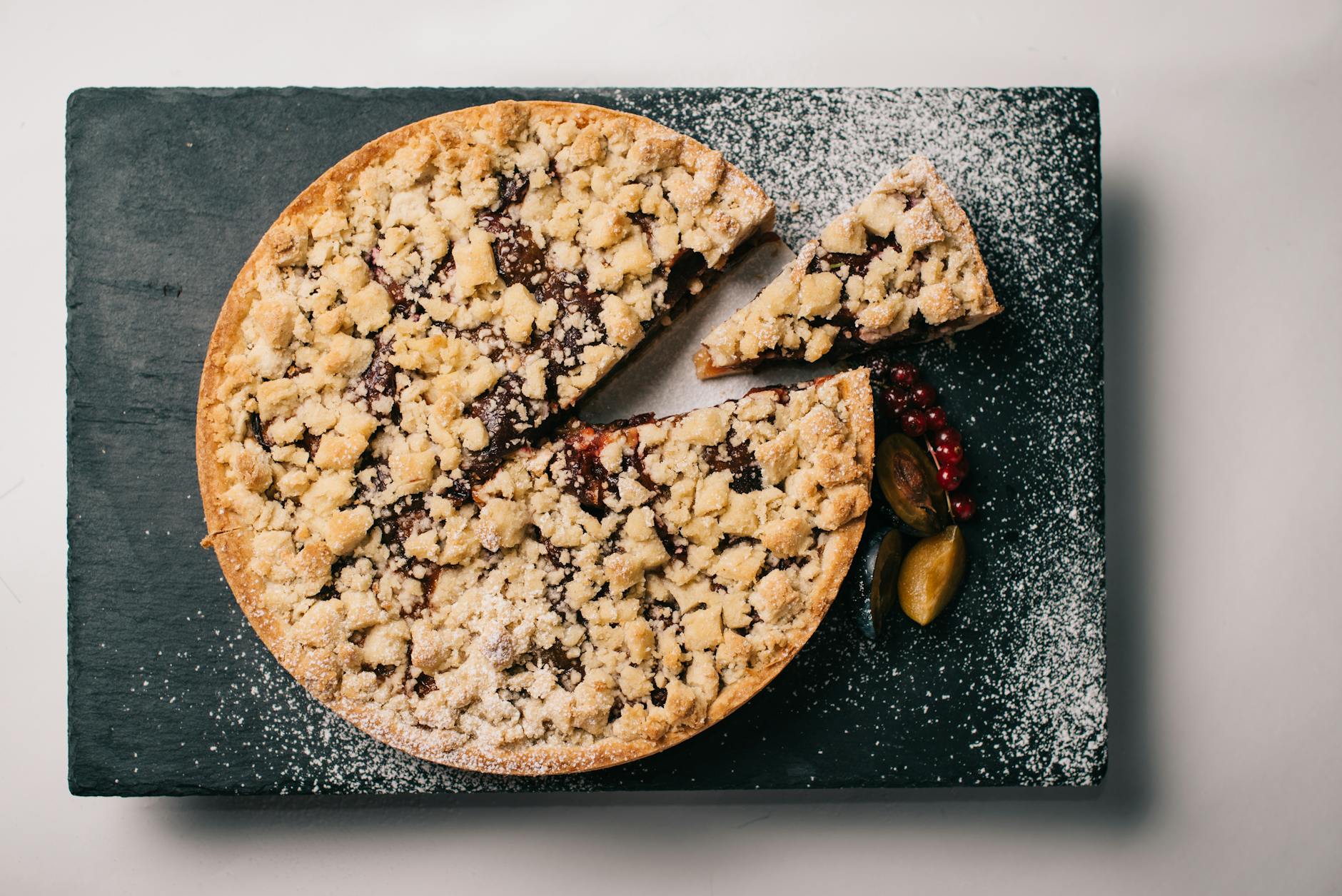
Long before gourmet cupcakes and trendy dessert cafés became common, homemade baked goods were the heart of family gatherings and neighborhood potlucks. For many Baby Boomers, desserts came straight from home kitchens, often made from handwritten recipe cards passed between relatives and friends.
These treats were especially popular during the 1950s, 1960s, and 1970s, when home baking was a regular part of everyday life. Many of these desserts have faded from modern kitchens, but they remain deeply nostalgic for those who grew up enjoying them after school, during holidays, or at church socials.
Pineapple Upside-Down Cake
Pineapple upside-down cake was one of the most recognizable homemade desserts of the Baby Boomer era. Made with canned pineapple rings, maraschino cherries, brown sugar, and buttery cake batter, it was baked upside down and flipped before serving.
The dessert became especially popular because canned pineapple was considered convenient and modern at the time. The caramelized fruit topping created a colorful presentation that looked impressive without requiring advanced baking skills.
Many Boomers remember seeing this cake at birthday parties, holiday dinners, and community potlucks throughout their childhoods.
Tomato Soup Cake
Tomato soup cake sounds unusual by modern standards, but it was surprisingly common during the mid-20th century. The recipe used condensed tomato soup to add moisture and subtle sweetness to a spice cake mixture.
Cinnamon, cloves, raisins, and cream cheese frosting were often added to create a warm, rich flavor profile. During periods when families focused on stretching pantry ingredients, recipes like this became practical and memorable.
Many children who grew up during the era had no idea tomato soup was even part of the recipe.
Sock It To Me Cake
Sock it to me cake became a major baking trend during the late 1960s and 1970s. Typically made in a Bundt pan, the cake featured a cinnamon, brown sugar, and pecan filling layered inside yellow cake batter.
The rise in popularity of Bundt pans helped make this dessert a household staple. It was often served during coffee gatherings, family dinners, and weekend get-togethers.
Its playful name and rich flavor helped it stand out from more traditional cakes of the time.
Shoofly Pie
Shoofly pie was especially familiar in rural and Pennsylvania Dutch communities, but many Baby Boomers across the country remember homemade versions appearing at family gatherings.
Made with molasses filling and a crumbly streusel topping, the pie had a deep, rich sweetness that was very different from fruit pies or cream pies.
Older generations often passed the recipe down through families, making it a dessert strongly tied to tradition and regional baking culture.
Coconut Cake
Coconut cake was a centerpiece dessert at many family celebrations throughout the Baby Boomer era. Covered in shredded coconut frosting, these cakes were often made from scratch for Easter dinners, birthdays, or Sunday gatherings.
The dessert required more effort than boxed cake mixes, making it feel especially special for important occasions. Some versions included lemon filling or fluffy white frosting between layers.
Its elegant appearance and sweet coconut flavor made it a memorable dessert for many families.
Why These Desserts Were So Memorable
Homemade desserts from the Baby Boomer era reflected a very different style of cooking compared to today’s convenience-focused baking culture. Recipes were often built around pantry staples, seasonal ingredients, and handwritten family traditions.
Common traits included:
- Heavy use of canned or shelf-stable ingredients
- Recipes passed through families or community cookbooks
- Desserts prepared entirely from scratch
- Decorative presentation for gatherings and holidays
- Rich flavors designed for sharing with large groups
These desserts became strongly connected to memories of home kitchens and family celebrations.
Conclusion
Classic homemade baked desserts remain an important part of Baby Boomer nostalgia because they represented comfort, tradition, and togetherness. While many modern desserts focus on convenience or trends, these older recipes reflected an era when baking was often a family activity and homemade treats were central to celebrations and community gatherings.
Leave a Reply